
Orchid Care
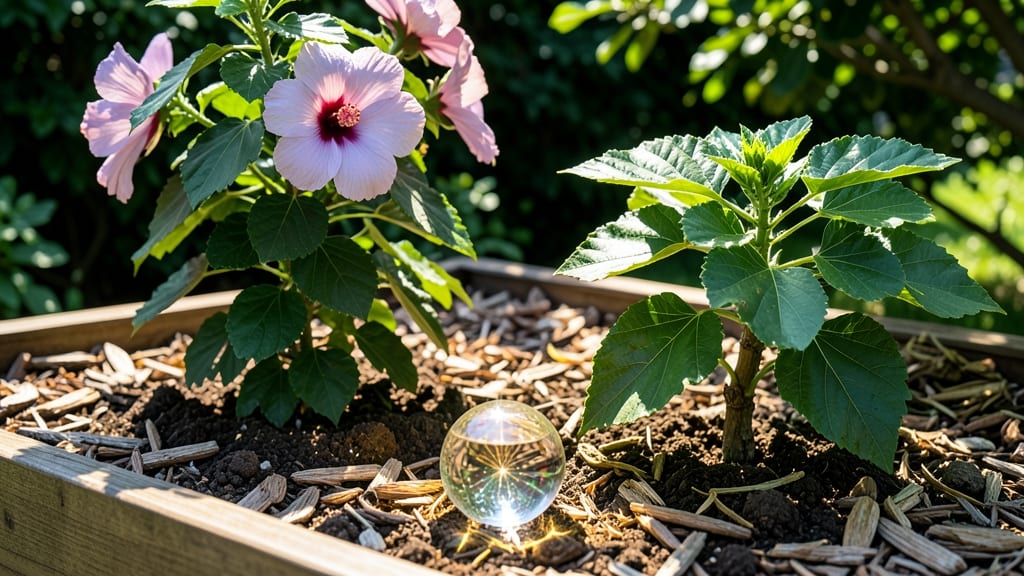
Deciding whether your hibiscus thrives in sun or shade is the secret to those bold, show-stopping blooms you’ve been dreaming of.
Struggling to keep your hibiscus thriving with vibrant blooms? The battle between sun and shade might be the hidden key to transforming your plant from sparse flowers to a lush, colorful masterpiece.
Hibiscus 🌸 love sunlight, but too much can scorch their leaves, while too little leaves you with leggy stems and fewer blooms. In USDA Zone 6a, where spring planting kicks off in April, finding the right balance is everything.
Below, I’ll break down the exact light conditions your hibiscus needs—whether it’s tropical or hardy—and how to adjust care based on your climate, so you can finally enjoy a garden bursting with color.
 Best Window Placement
Ideal sunlight conditions for hibiscus blooms and growth
Hibiscus plants are famous for their stunning, tropical blooms, but their sunlight needs can be confusing. Tropical hibiscus (like Hibiscus rosa-sinensis) crave full sun, while hardy hibiscus varieties (such as Hibiscus moscheutos) tolerate more shade. Getting this balance right is the secret to vibrant blooms and healthy growth.
Too little sun leads to sparse flowers and leggy stems, while too much can scorch leaves. I’ve found that most hibiscus thrive with 6 to 8 hours of direct sunlight daily, but the exact needs depend on your plant’s type and climate.
Let’s break it down so you can give your hibiscus the perfect light conditions.
| Type | Sunlight Needs | Heat Tolerance | Signs of Stress |
|---|---|---|---|
| Tropical Hibiscus | 6-8+ hours full sun | Moderate (needs afternoon shade in extreme heat) | Yellowing leaves, leaf burn |
| Hardy Hibiscus | 4-6 hours sun (partial shade OK) | High (handles cooler temps) | Stunted growth, few blooms |
For tropical hibiscus, I always recommend placing them in full sun—think south-facing gardens or containers near windows. These varieties need plenty of light to produce their signature bold, colorful blooms. However, in hot climates, afternoon shade can prevent leaf burn.
If you’re growing hardy hibiscus, they’re more flexible. These plants can handle partial shade, especially in hotter regions. I’ve seen them thrive with just 4-6 hours of morning sun and the rest in dappled shade. This makes them great for woodland gardens or areas with intense afternoon sun.
Watch for yellowing leaves or brown leaf edges, which are classic signs of sunlight stress. These issues often mean your hibiscus is getting too much direct sun. Conversely, stunted growth or fewer blooms usually indicate it’s not getting enough light. Adjusting their placement can make a world of difference!
In USDA Zone 9 or higher, hibiscus can handle year-round sun, but in cooler zones (like Zone 7), they may need protection from late afternoon sun in summer. I’ve used lightweight shade cloth to give them a break without blocking all the light they need.
Pro tip: If you’re moving a hibiscus from shade to sun, do it gradually. Sudden exposure can shock the plant. Start with 2-3 hours of sun per day and slowly increase over 2-3 weeks. This helps prevent sunburn and keeps your hibiscus happy.
For container-grown hibiscus, choose a spot where they’ll get at least 6 hours of sun. If your balcony or patio only gets morning sun, rotate the pot every few days to ensure even growth.
Hibiscus are heavy feeders, so they’ll reward you with more blooms when they get the right light.
Remember, hibiscus are not one-size-fits-all. Experiment with their placement and observe how they respond. With the right sunlight, your hibiscus will burst into vibrant blooms that last all season long. 🌸
How to adjust light exposure for different hibiscus varieties
Finding the perfect balance of sun and shade for your hibiscus can feel like solving a puzzle. Some varieties thrive in full sun exposure, while others prefer gentle afternoon shade to protect delicate blooms.
The key is understanding your specific hibiscus type and making seasonal adjustments to keep it flourishing year-round.
For example, tropical hibiscus (like Hibiscus rosa-sinensis) love 6+ hours of direct sunlight but may need afternoon shade in scorching climates to prevent leaf burn. Meanwhile, hardy hibiscus (such as Hibiscus moscheutos) can tolerate partial shade, especially in cooler regions where intense sun might stress the plant.
Sun vs. Shade for Hibiscus
Full Sun (6+ Hours)
- Pros: Vibrant blooms, robust growth
- Cons: Risk of leaf burn in extreme heat
Best for: Tropical hibiscus, warm climates
Partial Shade (3-6 Hours)
- Pros: Protects leaves, reduces stress
- Cons: Fewer blooms, slower growth
Best for: Hardy hibiscus, hot afternoons
If your hibiscus is growing too large and blocking sunlight for neighboring plants, pruning techniques can help. Focus on removing overcrowded branches near the center to improve airflow and light penetration.
Aim to prune in early spring before new growth begins, and avoid cutting more than 1/3 of the plant at once to prevent shock.
For seasonal adjustments, hibiscus in cooler climates may need winter protection. Move potted hibiscus to a bright indoor spot near a south-facing window, where they can still receive 4-6 hours of indirect light.
If outdoors, mulch the base with 3-4 inches of organic matter to insulate roots and reduce light stress during dormancy.
Strategic placement is another game-changer. Place hibiscus near west-facing walls to capture morning sun while shielding from intense afternoon rays. In containers, rotate pots quarter-turns weekly to ensure even light exposure all around the plant. This simple trick prevents lopsided growth and encourages balanced blooming.
Remember, hibiscus are adaptable! Gradually adjust light exposure over 2-3 weeks to avoid shocking the plant. If you notice yellowing leaves or drooping blooms, it’s a sign to tweak your approach—whether that means moving to a sunnier spot or adding shade cloth for protection.