
Flowers
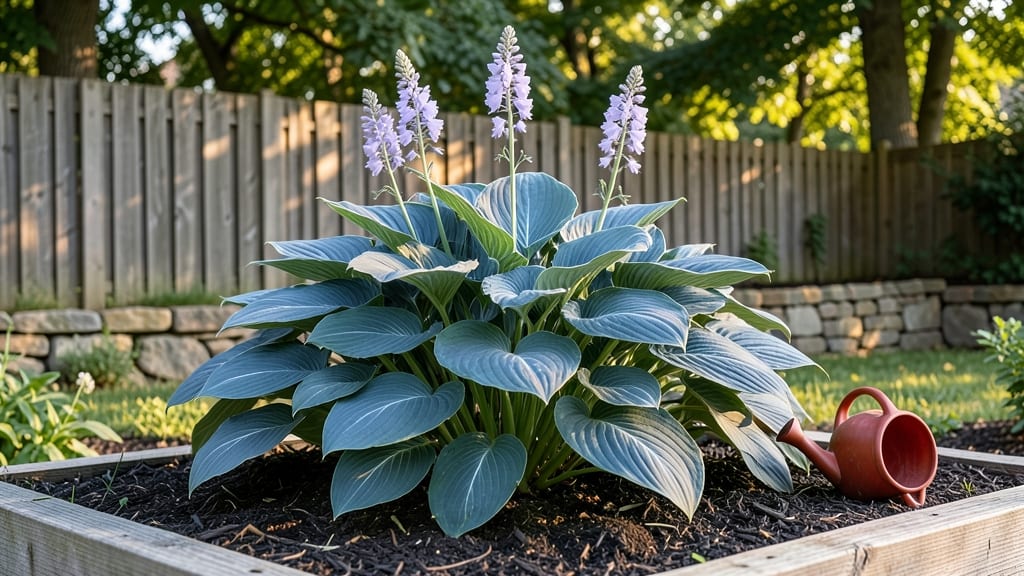
These fragrant, hardy flowers that prefer shade bring color to your garden without needing sunlight—perfect for under trees, north-facing walls, or shady patios. The secret? Choosing plants that match your light conditions, from dappled shade to deep shadow.
Impatiens and astilbes are foolproof starters—they bloom nonstop with minimal care. Hostas add lush foliage, while ferns bring delicate texture. Most need well-draining soil and consistent moisture, but none demand full sun. A morning watering and occasional mulch keep them happy all season.
By mixing heights and textures, you’ll create a lush, low-maintenance garden that feels alive even in shade. The scent of sweet alyssum or the velvety blooms of heuchera will make your yard the envy of the neighborhood. These plants reward patience with vibrant displays from spring to frost.
Works in containers, borders, or woodland gardens—no special skills required. Start with 3-5 varieties, and let them fill in naturally. Your shady spots will never look bare again.
📚 In This Guide
- What you need
- Instructions
- Tips and common mistakes
- Wrapping up and next steps
What you need
- ● Shade-tolerant flower seeds or nursery plants: 10-20 Hosta plants (variegated or solid green)
- ● 5-10 Bleeding Heart (Dicentra spectabilis) plants
- ● 10-15 Astilbe plants (choose 2-3 varieties for color diversity)
- ● 5-8 Hellebore (Lenten Rose) plants (perennial, winter-hardy)
- ● 10-12 Impatiens (Busy Lizzie) seeds or seedlings (annual, great for containers)
- ○ 5-7 Ferns (e.g., Maidenhair or Japanese Painted) for texture (optional but lovely!)
- ● High-quality potting soil or garden soil: 5-10 gallons (for in-ground planting)
- ● 2-3 bags of peat moss or coconut coir (for improving drainage in heavy clay soil)
- ● 1 bag of compost (to enrich soil with nutrients)
- ● Containers (if gardening in pots): 5-10 10-12 inch diameter pots (for impatiens, ferns, or small hellebores)
- ● 1-2 large planters (18+ inches) (for hostas or astilbes in containers)
- ● Gardening tools: 1 trowel (for planting and transplanting)
- ● 1 hand pruners (for trimming dead foliage)
- ● 1 garden fork (to loosen soil, especially in clay-heavy areas)
- ● 1 gloves (to protect your hands from thorns or soil)
- ○ Optional (but helpful!) additions: Mulch (2-3 bags of pine bark or shredded leaves to retain moisture)
- ● Slow-release fertilizer (10-10-10 or organic options) for perennials
- ● Mulch rings or edging (to keep beds neat)
- ● Watering can or drip irrigation system (for consistent moisture)
- ● Prerequisites: A shady spot (partial to full shade, depending on the flower)
- ● Access to water (shade plants need consistent moisture!)
- ● Patience! Some perennials (like hellebores) take 1-2 years to fully establish.
How to select and plant fragrant, hardy shade-loving flowers
Shade gardens thrive with the right plants—here’s how to choose and establish fragrant, low-maintenance varieties that bloom reliably year-round.
Choose the Right Shade-Tolerant Varieties
Focus on plants that thrive in partial to full shade (2-6 hours of sunlight daily) and tolerate moist soil. My top picks include hostas for lush foliage, bleeding hearts (Dicentra spectabilis) for delicate blooms, and foamflower (Tiarella cordifolia) for ground cover. For fragrance, sweet woodruff (Galium odoratum) and lily of the valley (Convallaria majalis) add subtle, sweet scents without demanding full sun.
Check your shade level first—dappled shade (filtering light) suits most flowers, while deep shade (under trees) limits options to ferns, hellebores, and astilbes. If your garden has east-facing shade, you’ll have more flexibility for sun-loving varieties than a north-facing spot. Always verify a plant’s mature size to avoid overcrowding.
Prepare the Soil for Moisture Retention
Shade gardens often have compacted or acidic soil, so amend with 3-4 inches of compost and 1-2 inches of organic mulch (like shredded bark or leaf mold) to improve drainage and moisture retention. I avoid heavy garden soil—it stays soggy and suffocates roots. Instead, mix in peat moss or coconut coir to lighten the texture if your soil is clay-heavy.
Test soil pH before planting—most shade-loving flowers prefer slightly acidic to neutral (6.0-7.0). If your soil is alkaline, add sulfur or pine needles to lower pH gradually. Work amendments into the top 6-8 inches of soil and water deeply to settle everything. Avoid tilling too deeply, as shade plants often have shallow roots.
Plant at the Correct Depth and Spacing
Dig holes twice as wide as the root ball but only as deep as the container’s base—planting too deep can suffocate stems, while too shallow exposes roots to drying. Gently loosen roots if pot-bound, then place the plant in the hole and backfill with native soil mixed with a handful of compost. Press firmly around the base to eliminate air pockets.
Space plants according to mature size—hostas need 18-24 inches apart, while bleeding hearts can tolerate 12-18 inches. Overcrowding leads to poor airflow, increasing fungal diseases like powdery mildew. Water immediately after planting to help soil settle and remove any mulch from the stem base to prevent rot.
Water and Mulch for Consistent Moisture
Shade gardens dry out slower than sunny ones, but deep watering once weekly (or daily in extreme heat) keeps roots healthy. Water at the base, not overhead, to reduce fungal spores. Use a soaker hose or drip irrigation for even moisture—this prevents wilting and encourages stronger growth. Check soil moisture by hand: top 1-2 inches should feel damp but not soggy.
Apply 2-3 inches of mulch (cypress, pine straw, or hardwood chips) after watering to retain moisture and suppress weeds. Keep mulch 2-3 inches away from stems to avoid rot. Refresh mulch annually—it breaks down faster in shade gardens. Avoid synthetic mulches; they don’t improve soil over time.
Fertilize and Maintain for Year-Round Blooms
Feed shade plants once in early spring with a balanced, slow-release fertilizer (10-10-10) and again after blooming. I skip high-nitrogen fertilizers—they promote leafy growth at the expense of flowers. Instead, use compost tea or fish emulsion for a gentle nutrient boost. Over-fertilizing can burn roots in shade, where soil stays cooler and slower to absorb nutrients.
Deadhead spent blooms regularly to encourage prolonged flowering, but leave seed heads on some plants (like astilbes) for winter interest. Divide clumping perennials like hostas and bleeding hearts every 3-4 years in early spring to prevent overcrowding. Prune leggy growth in late winter to shape plants and promote bushier growth.
Tips & tricks for thriving shade garden plantings
Creating a vibrant shade garden isn't just about choosing the right plants—it's about understanding their unique needs and avoiding common pitfalls that can stunt their growth or shorten their blooming season.
Variety Selection Insight: When selecting plants for your shade garden, consider the specific light conditions in your space. East-facing shade typically receives gentle morning sunlight, making it ideal for varieties like bleeding hearts and foamflower, which can tolerate up to 4 hours of filtered light. For deeper shade areas under mature trees, opt for true shade specialists like hellebores and ferns. I've found that plants with variegated foliage often handle low-light conditions better than solid-colored varieties, as they've evolved to capture more light.
Soil Preparation Strategy: The key to successful shade plantings lies in soil preparation. After amending with the recommended 3-4 inches of compost and 1-2 inches of organic mulch, I suggest adding a handful of worm castings to the planting hole for each plant. This provides an immediate nutrient boost while improving soil structure. For clay-heavy soils, mix in equal parts of peat moss and perlite to create a well-draining medium that prevents root suffocation. Remember that shade plants often have shallow root systems, so focus your amendments in the top 6-8 inches of soil where most roots will develop.
Planting Depth and Spacing Technique: When planting, pay special attention to the root ball's depth—it should sit at the same level it was in the container. I've learned the hard way that planting too deeply can cause stems to rot, while planting too shallowly exposes roots to drying. For spacing, consider the mature size of each plant and leave room for growth. Hostas, for instance, can spread aggressively over time, so give them the full 24 inches between plants. This spacing also improves air circulation, reducing the risk of fungal diseases that thrive in humid shade environments.
Watering Wisdom: While shade gardens typically require less frequent watering than sunny ones, consistency is crucial. After establishing your plants, maintain that deep watering schedule—about once weekly unless you're experiencing extreme heat. I recommend using a moisture meter to check soil conditions, aiming for that ideal damp-but-not-soggy texture in the top 1-2 inches. For newly planted specimens, water immediately after planting and again the following day to help settle the soil around roots. This initial hydration is particularly important for shade plants, which often struggle to establish in compacted soils.
Pro Tips for Flowers That Prefer Shade
- Creating a vibrant shade garden isn't just about choosing the right plants—it's about understanding their unique needs and avoiding common pitfalls that can stunt their growth or shorten their blooming season.
- Variety Selection Insight: When selecting plants for your shade garden, consider the specific light conditions in your space.
- Soil Preparation Strategy: The key to successful shade plantings lies in soil preparation.
Frequently asked questions
Got questions about growing shade-loving flowers? You’re not alone! Here are answers to the most common queries to help you create a thriving, fragrant garden under the canopy.
What are the easiest shade-tolerant flowers to grow for beginners?
Start with impatiens, coleus, or hostas—they’re low-maintenance and thrive in low light. For fragrant blooms, try sweet woodruff or lunaria (honesty). These varieties forgive mistakes and reward patience with vibrant colors and sweet scents.
When is the best time to plant shade-loving flowers?
The ideal window is early spring (after the last frost) or early fall (6–8 weeks before your first frost). Planting in spring gives roots time to establish before summer heat, while fall offers cooler temps and less competition from weeds. Avoid planting in peak summer—roots can stress in the heat.
How do I keep shade flowers blooming all season?
Deadhead spent blooms regularly to encourage reblooming. Use a balanced, slow-release fertilizer (like 10-10-10) in spring, and top-dress with compost in early summer. Mulch with shredded bark to retain moisture and deter weeds. Hydrangeas and astilbes especially love consistent care!
What if my shade flowers aren’t thriving? Troubleshooting tips?
Check these common issues:
- Yellow leaves: Often means overwatering or poor drainage. Let soil dry slightly between waterings.
- Leggy growth: Your plants may need more light. Try moving them to a dappled shade spot (filter sunlight).
- No blooms: Feed with phosphorus-rich fertilizer (like 5-10-5) or prune back leggy stems to encourage bushier growth.
If pests like slugs or aphids appear, use neem oil or introduce beneficial insects like ladybugs.
Are there any shade flowers that attract pollinators?
Plant foxgloves, bleeding hearts, or Japanese painted ferns to lure bees and butterflies. For hummingbirds, try coral bells (Heuchera) or astilbe. Even in shade, your garden can buzz with life—and fragrance!
Wrapping up and next steps
Shady spots don’t have to mean dull gardens—flowers that thrive in shade bring life, fragrance, and beauty to your space year-round! 🌿 From hardy hostas to delicate impatiens, these plants prove that even the dimmest corners can bloom with vibrancy.
Whether you’re a seasoned gardener or just starting, embrace the possibilities and let your green thumb shine.
Ready to transform your garden? Start small: Pick one shade-loving flower from this list, research its care needs, and plant it this weekend. Watch your garden flourish—and don’t forget to share your progress with fellow plant lovers! 🌸