
Companion Plants
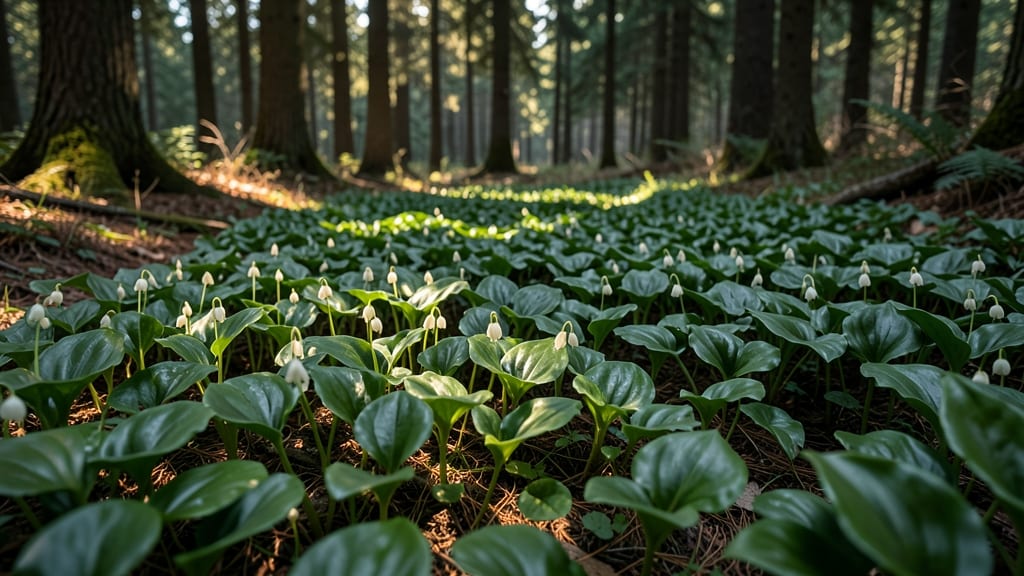
Struggling to grow vibrant plants under trees? These 10 hardy shade-tolerant species not only survive but thrive in low-light conditions while attracting pollinators and adding year-round interest to your garden.
Hostas for Year-Round Ground Cover
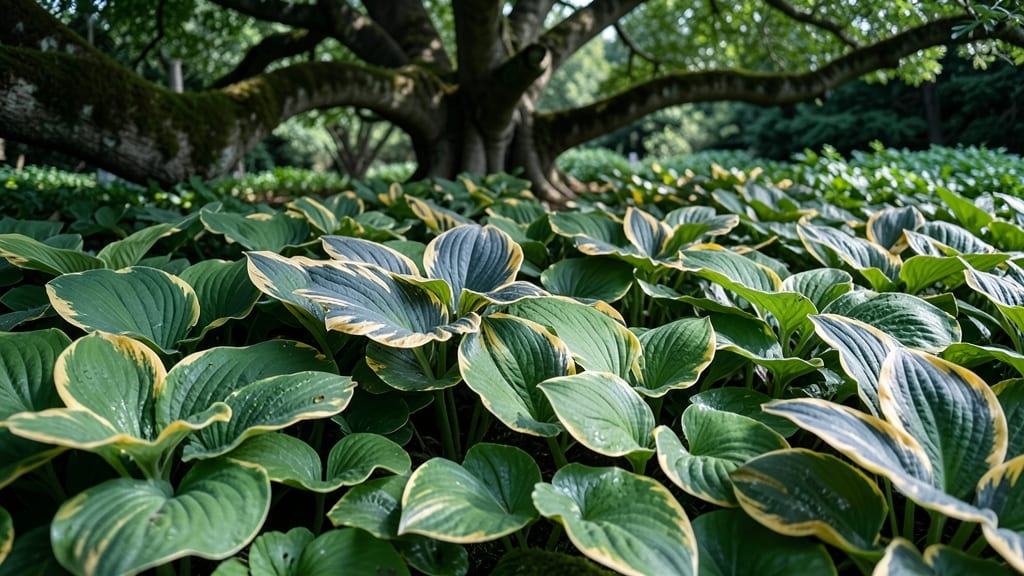
Tired of bare spots under your trees? Hostas transform dull shade into a vibrant, low-maintenance carpet that thrives year-round. With foliage in every shade of green, blue, gold, and variegated patterns, they bring instant color to dark corners where few plants dare to grow.
These beginner-friendly perennials thrive in partial to full shade and only need consistent moisture during their first growing season. In summer, their delicate lavender or white blooms attract pollinators like butterflies, making them a dual-purpose plant. For best results, mulch around the base to retain moisture and protect roots from temperature swings.
Hostas are especially valuable for gardeners with shady yards or those looking to reduce maintenance—once established, they spread slowly to fill gaps naturally. Their versatility makes them perfect for borders, containers, or as a living mulch under trees. 🌱
Ferns for Lush Textural Layers
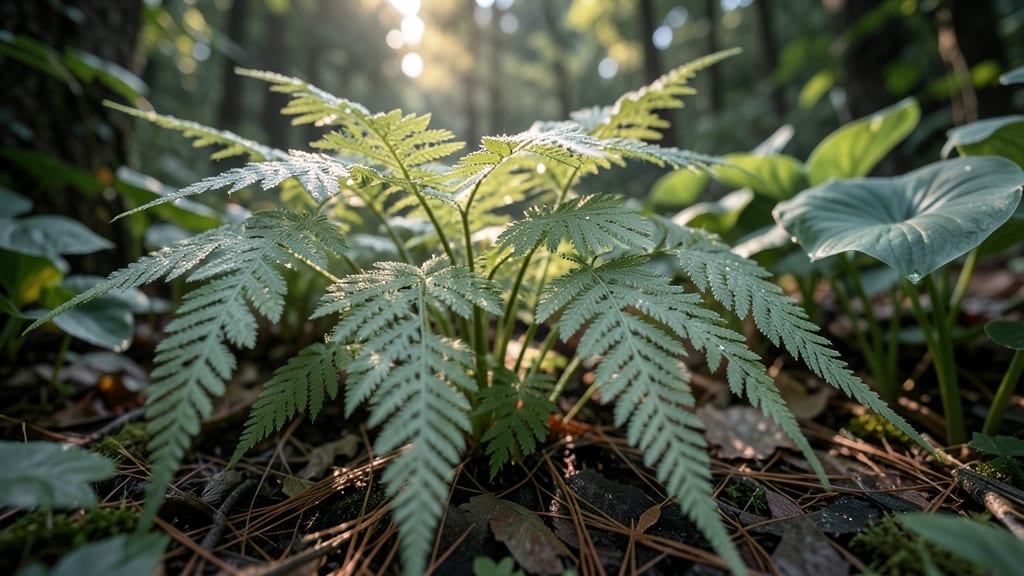
Transform your shady garden corners into a textural paradise with ferns—nature's softest, most elegant shade specialists. Unlike broad-leaved hostas, ferns offer feathery, lace-like foliage that dances in the breeze, creating movement and depth where other plants struggle.
These moisture-loving perennials thrive in deep shade (even under dense tree canopies) and prefer consistently damp soil—ideal for woodland gardens or north-facing beds. Varieties like maidenhair fern or autumn fern provide year-round interest, with some turning golden in fall. Their delicate fronds also create microhabitats for beneficial insects like ladybugs and lacewings, boosting your garden's biodiversity.
Perfect for gardeners who love low-maintenance texture without the fuss of flowers, ferns are especially great for urban gardens with limited light or woodland restoration projects. Just add a layer of mulch to retain moisture, and watch your shade garden come alive with soft, velvety layers. 🌿
Astilbe for Long-Blooming Spikes
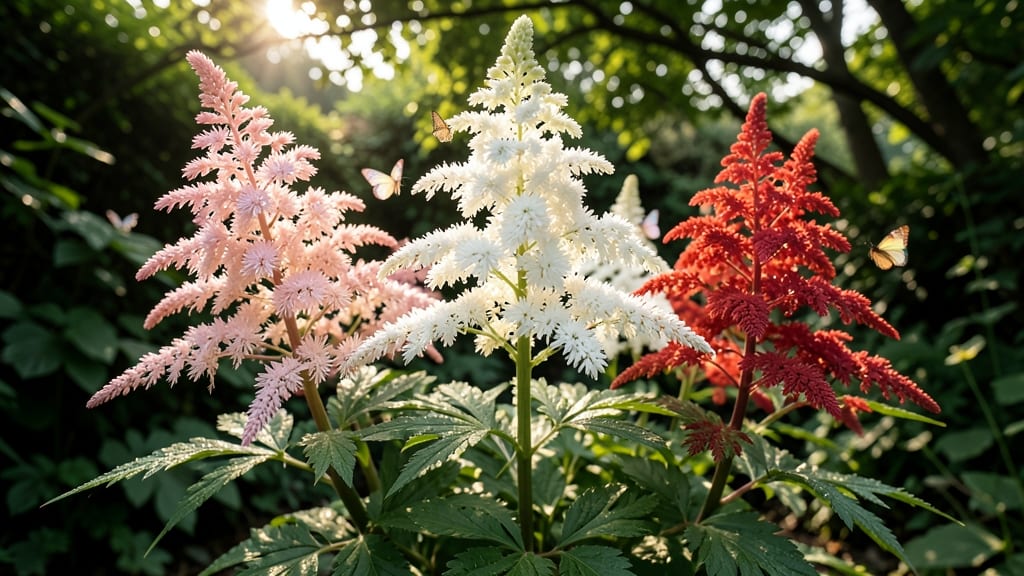
Craving vertical drama in your shade garden without sacrificing pollinators? Astilbe delivers feathery plumes in blush pink, snow white, or fiery red that bloom from early summer through fall, turning dull corners into a butterfly buffet. Unlike flat-leaved hostas or ferns, astilbe's airy spikes add height and movement while thriving where light barely touches the ground.
These clump-forming perennials love moist, well-drained soil (perfect for rain gardens) and partial to full shade, making them ideal for north-facing beds or under deciduous trees. For longest blooms, deadhead spent plumes and fertilize lightly in spring with compost—they'll reward you with 3-4 weeks of continuous color. Choose dwarf varieties like 'Fanal' for borders or towering 'Deutschland' (3-4 feet) as a focal point.
Urban gardeners with small spaces will love astilbe's container-friendly habit—just ensure pots have drainage. Pair with hostas or ferns for a layered look that keeps pollinators visiting all season long. 🌻
Hellebores for Early Spring Blooms
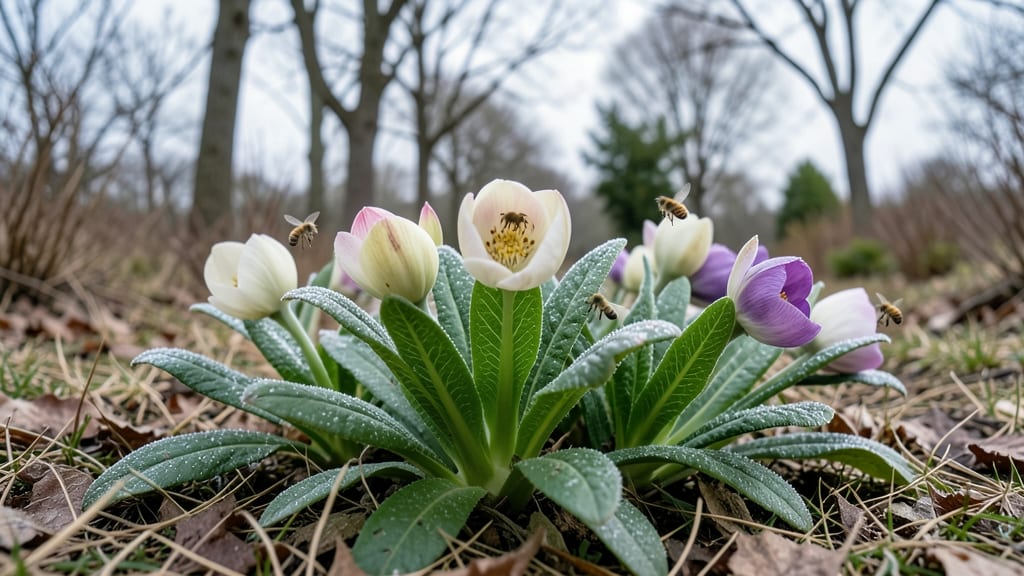
When your garden looks like a winter wasteland while neighbors enjoy spring blooms, helleborus (hellebores) are your secret weapon. These winter-hardy perennials burst into flower as early as February, often while snow still lingers, offering critical nectar for emerging bees when few other plants are available.
Hellebores thrive in partial to full shade and prefer well-drained, humus-rich soil. Their nodding, cup-shaped blooms come in shades of white, pink, purple, and green, with varieties like 'Annemarie' or 'Winter's Song' offering double blooms. The evergreen foliage remains attractive even when not in bloom, creating a lush backdrop for spring bulbs. Deadhead spent flowers to encourage continuous blooming throughout the season.
Perfect for gardeners with late-winter blues or those wanting to support early pollinators, hellebores are especially valuable in woodland gardens or under deciduous trees. Their long lifespan (often 10+ years) makes them a worthwhile investment for low-maintenance shade gardens. 🌷
Lungwort for Medicinal Beauty
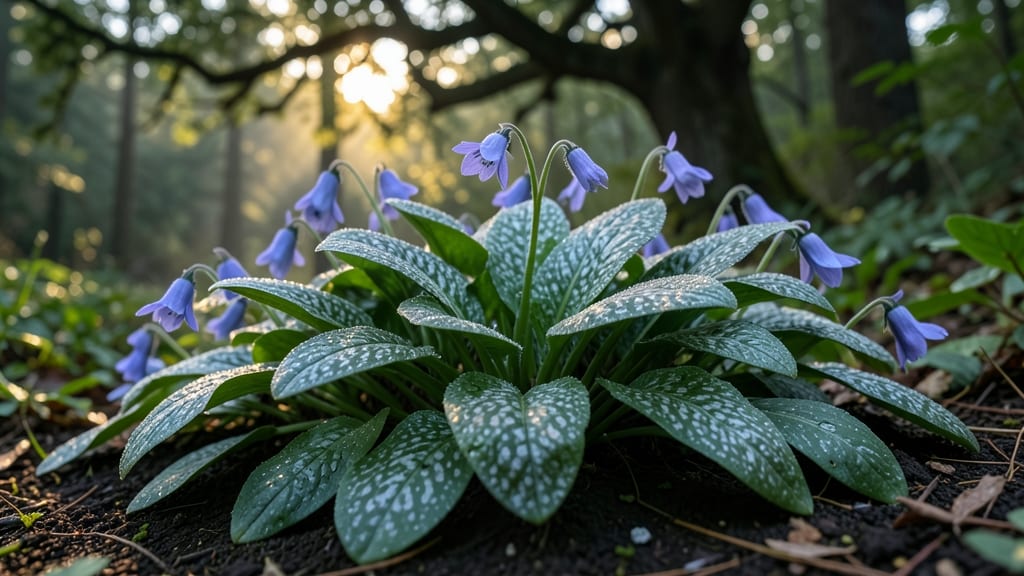
Looking for a shade-loving plant that doubles as a living herbal remedy? Lungwort (Pulmonaria) brings silver-spotted foliage and delicate blue flowers to your garden while offering historical medicinal benefits—no greenhouse needed. This hardy perennial thrives where most plants struggle, making it perfect for filling bare spots under mature trees.
Lungwort's self-seeding habit means it spreads naturally over time, creating lush ground cover without constant replanting. Its moisture-retentive roots make it drought-tolerant once established, and the spring blooms attract early pollinators like bees. For best results, plant in partial to full shade with well-drained soil—it handles both dry and moist conditions better than most shade plants.
Ideal for herb gardeners, woodland enthusiasts, and low-maintenance gardeners, lungwort adds both beauty and practicality. Its year-round interest (foliage stays attractive even when not blooming) makes it a standout for shaded borders or cottage-style gardens. 💚
Japanese Painted Fern
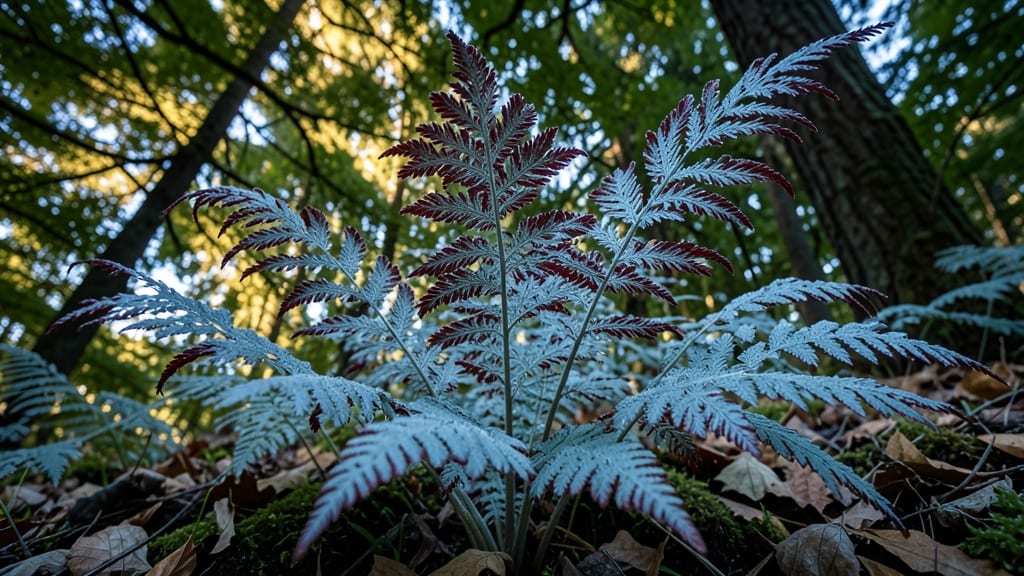
Forget green when you crave color in deep shade—Japanese painted fern (Athyrium niponicum 'Pictum') delivers a dazzling contrast with its silver and burgundy foliage that glows like a neon sign in dim light. Unlike plain green ferns, this cultivar's two-tone leaves create instant visual drama, making it the perfect star for dark corners where other plants fade.
This compact perennial thrives in partial to full shade and tolerates moist to dry soil, making it ideal for woodland gardens, container plantings, or understory plantings. Its slow-spreading habit (12-18 inches wide) means it won't overwhelm small spaces, while its year-round interest—even in winter—keeps your garden looking vibrant. For best results, plant in well-draining soil with a layer of mulch to retain moisture and protect roots.
Urban gardeners with limited light or those seeking a low-maintenance focal point will love this fern's ability to brighten shady spots without fuss. Pair it with hostas or hellebores for a layered look that pops in any season. 💚
Solomon's Seal for Graceful Arches
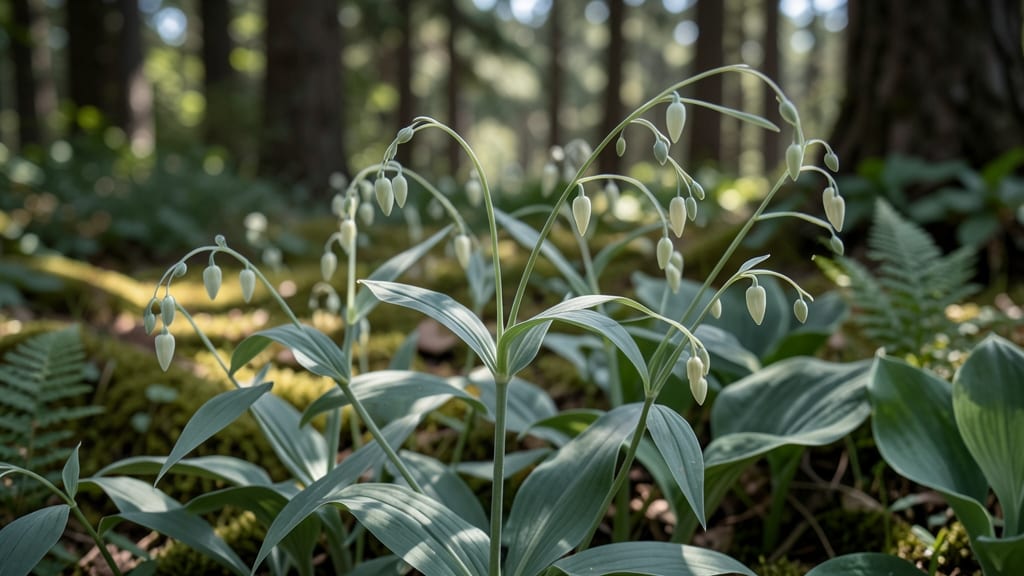
Tired of static shade gardens that look flat and lifeless? Solomon's Seal (Polygonatum) brings dynamic movement with its graceful, arching stems that sway gently in the breeze. Unlike broad-leaved hostas or upright ferns, this plant creates a natural, flowing rhythm that transforms dull corners into living art—all while thriving where most plants struggle.
This drought-tolerant perennial produces dangling clusters of bell-shaped white flowers in spring, followed by edible blue-black berries that attract birds and pollinators. It thrives in partial to full shade, including dry shade under oak trees, making it ideal for problem areas where moisture is scarce. Plant in well-drained soil and space stems 18-24 inches apart for a lush, layered effect that cascades beautifully over banks or through shrub borders.
Perfect for gardeners who want low-maintenance elegance, Solomon's Seal is especially valuable in woodland gardens or understory plantings where it pairs beautifully with ferns and hellebores. Its tolerance for dry conditions means fewer watering chores once established. 💚
Bleeding Heart for Romantic Vines
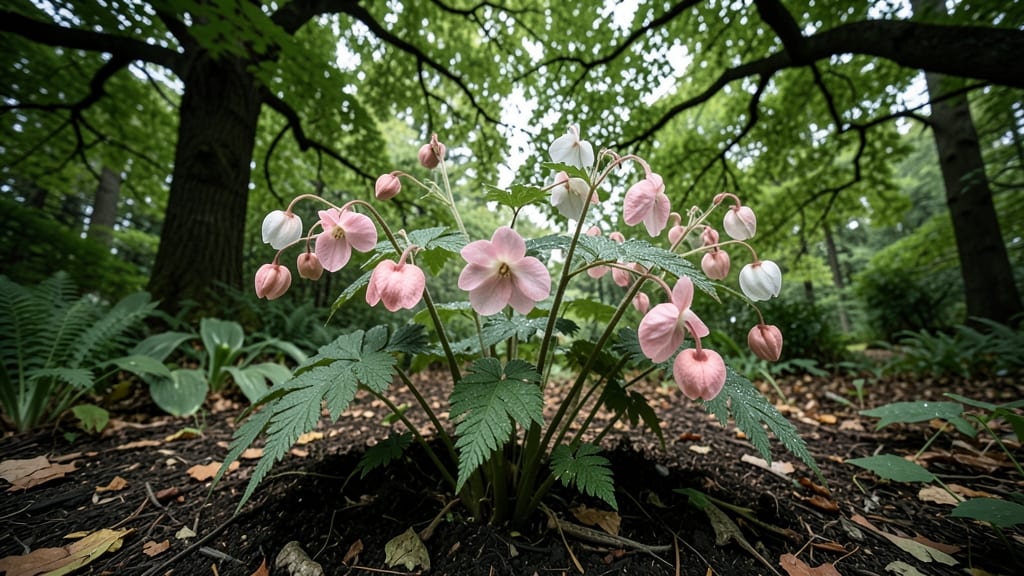
Want to add a touch of romantic charm to your shady garden without sacrificing drama? Bleeding heart (Dicentra spectabilis) delivers cascading clusters of heart-shaped flowers in blush pink or pristine white—like nature’s own Valentine’s bouquet. This deciduous perennial thrives where most plants falter, making it the perfect star for understory planting.
Plant bleeding heart in moist, well-drained soil under deciduous trees, where it gets partial to full shade. Its fern-like foliage emerges in spring, followed by 12-18 inch spikes of delicate blooms that last 4-6 weeks. For continuous display, choose varieties like 'King of Hearts' (deep pink) or 'Alba' (white) and plant near hostas or ferns to create a layered, lush effect. Mulch annually to retain moisture and protect roots from summer heat.
Perfect for gardeners who love dramatic vertical interest with minimal effort, bleeding heart is especially magical in cottage gardens or woodland settings. Just be prepared for its temporary dormancy in summer—it’ll re-emerge stronger in spring, ready to steal the show again. ✨
Coral Bells for Colorful Foliage
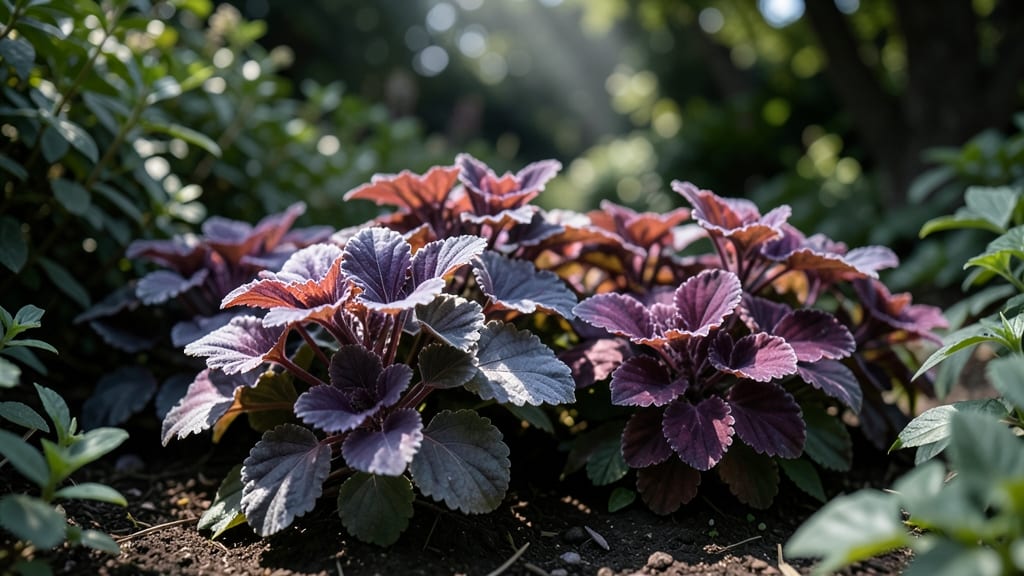
Want to banish dull, dark corners of your garden with bold color that lasts all year? Coral bells (Heuchera) deliver vibrant purple, silver, or deep red foliage that glows even in the shadiest spots, making them the ultimate shade garden showstopper. Unlike flowers that fade, these perennials keep their striking hues from spring through winter, creating instant visual impact where other plants struggle.
These clump-forming perennials thrive in partial to full shade and adapt to various soil types, though they prefer well-draining conditions. Varieties like 'Palace Purple' or 'Lime Rickey' offer dramatic contrasts, while some cultivars produce delicate bell-shaped flowers in spring that attract bees and other beneficial insects. Prune spent blooms to encourage more foliage production, and mulch annually to protect roots and retain moisture—especially in hot climates.
Perfect for urban gardeners with limited light or those seeking a low-maintenance focal point, coral bells shine in containers, rock gardens, or as edging plants. Their compact size (12-24 inches tall) makes them ideal for small spaces, while their year-round color** ensures your garden stays vibrant even when other plants are dormant. 💚
Wild Ginger for Spicy Ground Cover

Want a fragrant, weed-suppressing ground cover that thrives in deep shade while luring pollinators? Wild ginger (Asarum canadense) delivers glossy, heart-shaped leaves that smell like cinnamon when crushed, paired with delicate white flowers that bloom close to the ground. Unlike hostas or ferns, this native perennial spreads aggressively—perfect for filling large shady areas under trees or along woodland edges.
Plant in moist, well-drained soil with partial to full shade, where it outcompetes weeds while providing year-round interest. Its low-growing habit (6–12 inches tall) makes it ideal for borders, but be warned—it can spread up to 2 feet per year. For best results, divide clumps every 3–4 years to control growth and share with fellow gardeners. The spicy aroma also deters slugs, making it a dual-purpose plant for problem areas.
This is the ultimate low-maintenance choice for gardeners with large shady spaces who want to reduce weeding while supporting pollinators. Pair it with ferns or hellebores for a lush, layered woodland effect. 🌿