
Flowers
Transform dull, shady garden corners into vibrant havens with these 10 shade-loving flowers. Perfect for north-facing beds, these beauties thrive where others struggle while adding color and texture to your landscape all season long.
Bleeding Heart Flower for Delicate Elegance

Create a dreamy woodland retreat with bleeding heart flowers (Dicentra spectabilis), whose heart-shaped blooms in soft pink or white cascade like nature’s own lace. This cottage garden staple thrives in partial to full shade, making it ideal for understory plantings or north-facing beds where sunlight is scarce.
Plant these perennials in moist, well-draining soil enriched with organic matter, and they’ll reward you with spring-to-summer blooms that nod gracefully on 18-inch stems. Deadhead spent flowers to encourage a second flush, and watch as their fern-like foliage provides year-round texture. For a romantic touch, pair them with hostas or ferns to create a layered woodland effect.
Perfect for gardeners who love low-maintenance elegance, bleeding hearts are especially magical in cottage-style gardens where their delicate charm softens hardscapes. Just remember: they’re short-lived perennials, so treat them as annuals or divide clumps every few years to keep them thriving. 🌷
Hosta Varieties for Foliage and Fragrance

While many gardeners plant hostas for their stunning foliage, you’ll be delighted to know these shade stars also deliver fragrant blooms that attract pollinators. Varieties like Hosta 'Halcyon' and Hosta 'Royal Standard' produce delicate lavender or white flowers on tall spikes, adding unexpected height and scent to deep shade gardens.
These plants thrive in full to partial shade, making them ideal for north-facing beds or under trees. Their foliage—ranging from deep blue-green to golden hues—provides year-round interest, while the summer blooms draw bees and butterflies. For best results, keep soil consistently moist and mulch to protect roots in winter.
Perfect for gardeners who love low-maintenance plants with double the impact, hostas bring both beauty and function to shady spots. 🌿
Impatiens for Continuous Color Bursts

Tired of dull, dark corners in your garden? Impatiens are your secret weapon for instant color, producing non-stop blooms in shades of pink, red, orange, and purple that brighten even the shadiest spots. These shade-loving annuals thrive where other flowers fade, making them perfect for porches, under trees, or along north-facing walls.
Plant them in moist, well-draining soil and give them morning sun or dappled shade—they’ll reward you with continuous flowers from spring until frost. For extra impact, try New Guinea impatiens, which offer bold foliage and larger blooms than classic types. Deadhead spent flowers to encourage even more blossoms.
Urban gardeners and beginners will love how easy impatiens are to grow—just keep the soil consistently moist, and you’ll have a burst of color that lasts all season. 🌟
Japanese Painted Fern for Textural Drama

Skip the flowers for a moment—this is where Japanese painted fern (Athyrium niponicum var. pictum) steals the show with its silvery-green fronds and burgundy stems, creating a dramatic textural contrast that’s pure magic in deep shade. Unlike flowering plants, this fern delivers year-round interest, with its fronds unfurling in spring and holding their shape until frost, making it a reliable workhorse for shady spots.
Thriving in full to partial shade, this fern is happiest in moist, well-draining soil enriched with organic matter. Its compact size (12–18 inches tall and wide) makes it ideal for container gardens, woodland edges, or as a striking accent in mixed borders. For extra drama, pair it with hostas or heucheras to amplify the contrast between its silvery foliage and their deep greens or purples.
Perfect for gardeners who love low-maintenance texture, this fern is especially rewarding for urban spaces or small yards where shade limits options. Its drought tolerance once established makes it a breeze to care for—just keep it consistently moist in its first growing season. 🌿
Lungwort for Healing Beauty and Pollinators

Discover lungwort (Pulmonaria), a historic medicinal plant that bridges beauty and function in your shade garden. With its blue-purple flowers and distinctive silver-spotted leaves, this woodland native adds both visual intrigue and ecological value, thriving where other plants falter.
Plant lungwort in moist, well-draining soil under trees or along shady borders, where it will reward you with early spring blooms that attract bees and early pollinators. The spotted foliage—often silver when young and green as it matures—creates a striking contrast that lasts all season. For best results, mulch to retain moisture and prevent weeds, as lungwort prefers consistent dampness without soggy roots.
Perfect for heritage gardeners and pollinator enthusiasts, lungwort’s dual appeal makes it a standout choice for woodland gardens or shaded perennial beds. Its low-maintenance nature and historical uses (traditionally for lung ailments) add depth to any shade-loving collection. ✨
Sweet Woodruff for Fragrant Ground Cover

Step into a fragrant garden oasis with sweet woodruff (Galium odoratum), a shade-loving ground cover that releases a vanilla-like aroma when brushed against. Unlike other shade plants, this delicate spreader doesn’t just look pretty—it transforms pathways and borders into sensory experiences, perfect for areas where you walk or sit.
This hardy perennial thrives in dry to moist shade, making it ideal for understory plantings, woodland gardens, or as a living mulch to suppress weeds. Its tiny white flowers in spring provide pollinator support, while its low-growing habit (6–12 inches tall) creates a lush carpet. For best results, plant in well-draining soil and allow it to spread naturally—it’s deer-resistant and drought-tolerant once established.
Gardeners with shady borders or pathways will love how sweet woodruff adds both beauty and scent without demanding attention. It’s especially magical in cottage gardens or under fruit trees where its fragrance enhances the experience of being outdoors. 🌿
Toad Lily for Unique Spidery Blooms

Turn heads in your darkest garden corners with toad lily (Tricyrtis), a striking perennial that produces exotic spider-like blooms in deep purple—perfect for areas where sunlight barely reaches. Unlike conventional shade flowers, its unique, almost alien-looking blossoms (with maroon centers and white-tipped stamens) create a dramatic focal point that feels like a secret from a botanical treasure hunt.
Thriving in full to deep shade, toad lily prefers moist, well-draining soil enriched with organic matter—ideal for woodland gardens, under large trees, or alongside ponds. The late-summer to fall blooming period (August through October) fills gaps when many other shade plants have finished their show. For best results, plant in clusters of 3-5 for maximum impact, and pair with ferns or hostas to create a lush, layered effect.
This is the perfect choice for gardeners who love unusual plants that spark curiosity—especially in urban gardens or small spaces where shade limits options. Its low-maintenance nature and drought tolerance once established make it a dream plant for those who want drama without fuss. 💚
Tiarella for Foamflower Elegance

Bring whimsy to your shade garden with tiarella, or foamflower—a delicate perennial that transforms rock gardens and woodland edges into enchanting landscapes. Its airy clusters of white or pink blooms resemble cascading foam, creating a dreamy effect that’s pure magic in partial shade where sunlight filters through trees.
This shade-lover thrives in moist, well-draining soil and tolerates both dry and damp conditions once established, making it ideal for understory plantings or along stream banks. Its lacy foliage adds texture year-round, while spring blooms attract early pollinators. For best results, plant in groups of 3-5 for a foamy, layered effect—perfect for filling gaps between boulders or under shrubs.
Gardeners with small spaces or rock gardens will adore how tiarella adds softness without overwhelming the scene. Its low-maintenance nature and ability to spread gently make it a favorite for woodland gardeners and cottage-style landscapes alike. 🌱
Coral Bells for Season-Long Interest

If you’ve ever struggled to find plants that bring color to shady spots without relying solely on foliage, coral bells (Heuchera) are your game-changer. Unlike flowers that bloom briefly and then fade, these perennials deliver year-round visual interest with foliage in deep purples, silvers, or lime greens—plus delicate white or pink flower spikes in spring and summer.
Thriving in partial to full shade, coral bells adapt to almost any soil type as long as it’s well-draining. Their compact size (12–24 inches tall) makes them ideal for containers, rock gardens, or woodland edges, where their textured leaves create striking contrasts with hostas or ferns. Varieties like 'Palace Purple' or 'Lime Rickey' offer bold hues that hold up beautifully even in winter, while 'Berry Smoothie' blends multiple colors for a dynamic look.
Perfect for gardeners who want low-maintenance yet high-impact plants, coral bells are especially rewarding in urban gardens or small spaces where shade limits options. Their drought tolerance once established means less watering, and deer typically avoid them—making them a hassle-free choice for vibrant, seasonal interest. 🌿
Astilbe for Feathered Plume Beauty

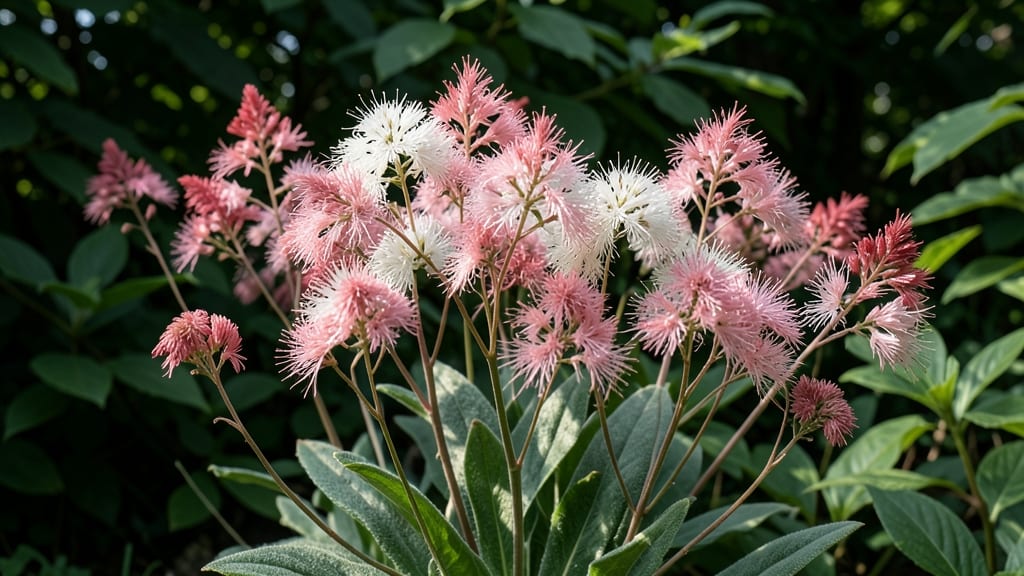
Bring dynamic movement to your shady garden with astilbe, the feathery plume star that dances in the breeze. Unlike static shade plants, its pink, white, or red flower plumes sway gently on wiry stems, creating a soft, airy effect that mimics nature's own brushstrokes—perfect for adding visual interest to borders where sunlight barely reaches.
This moisture-loving perennial thrives in partial to full shade, making it ideal for woodland gardens, understory plantings, or along pond edges. Choose from dwarf varieties (12-18 inches) for borders or tall types (2-4 feet) as dramatic backdrops. For best results, plant in rich, well-draining soil and keep it consistently moist—its feathery foliage provides seasonal interest even when not in bloom (summer through fall).
Urban gardeners and small-space enthusiasts will love how astilbe transforms shady corners into living art installations. Its pollinator-friendly blooms attract butterflies while its low-maintenance nature makes it ideal for busy gardeners. Try pairing it with hostas or ferns for a lush, layered woodland effect. 🌻