
Flowers
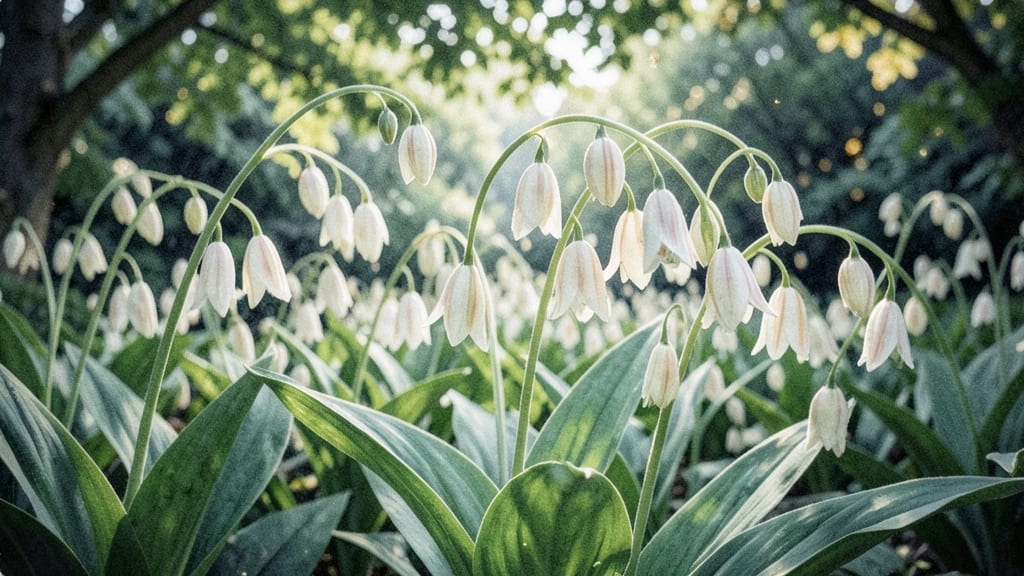
Struggling to keep shade gardens vibrant in Zone 6? These 10 hardy perennial flowers deliver stunning color year after year while thriving in deep shadows—no high-maintenance fuss required. Perfect for under trees, north-facing borders, or any low-light spot.
Hostas with Variegated Blue-Green Leaves
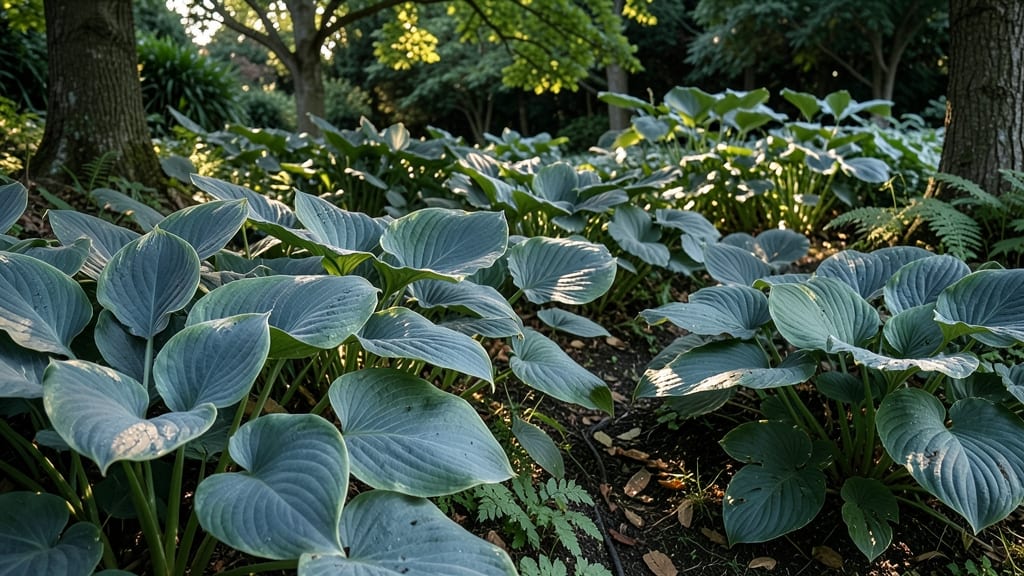
If you crave a shade garden that feels like a lush, ever-changing painting, hostas with variegated blue-green leaves are your secret weapon. Their foliage starts stunning and only gets more dramatic as they mature, creating a textural contrast that elevates any shady spot—whether under trees or along north-facing walls.
For maximum impact, plant 'Blue Angel' hostas, whose deep blue-green centers explode with creamy-white edges, creating a bold statement. These deer-resistant perennials thrive in partial to full shade and handle Zone 6’s hot summers and cold winters with ease. Mulch well to retain moisture, and watch them reward you with larger, more vibrant leaves each year. They’re also low-maintenance, requiring only occasional division every few years to keep them vigorous.
Perfect for gardeners who love foliage as much as flowers, these hostas bring structure and elegance to shade gardens while attracting pollinators with their summer blooms. 💚
Bleeding Heart in Pink and White
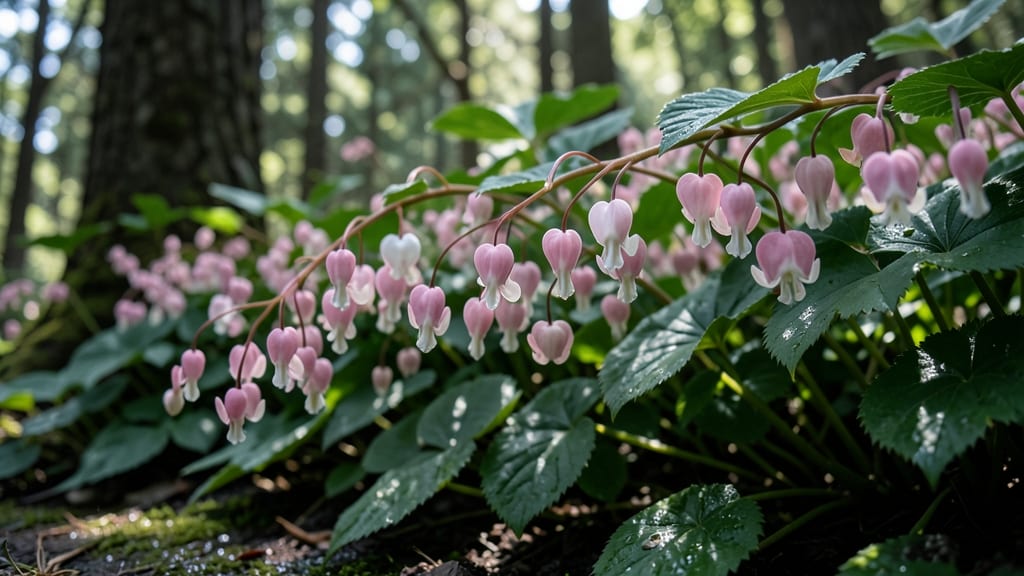
Transform your shady garden into a romantic retreat with bleeding heart (Dicentra spectabilis), whose delicate pink and white heart-shaped blooms cascade like lace in spring. This classic perennial thrives in moist, dappled shade—ideal for cottage gardens, woodland edges, or beneath mature trees where other plants struggle.
The 'Pink Heart' variety stands out for its longer bloom season (May through July) and compact growth habit, making it perfect for borders or containers. Plant in well-draining, humus-rich soil and keep the roots consistently moist but not soggy. Deadhead spent blooms to encourage a second flush of flowers, and divide clumps every 3-4 years to maintain vigor.
Bleeding heart is a must-have for pollinators like bees and butterflies, and its elegant foliage adds texture long after blooms fade. Cottage gardeners and woodland enthusiasts will love how it softens hard edges while creating a whimsical, fairy-tale atmosphere. 💚
Hellebores with Deep Purple Flowers
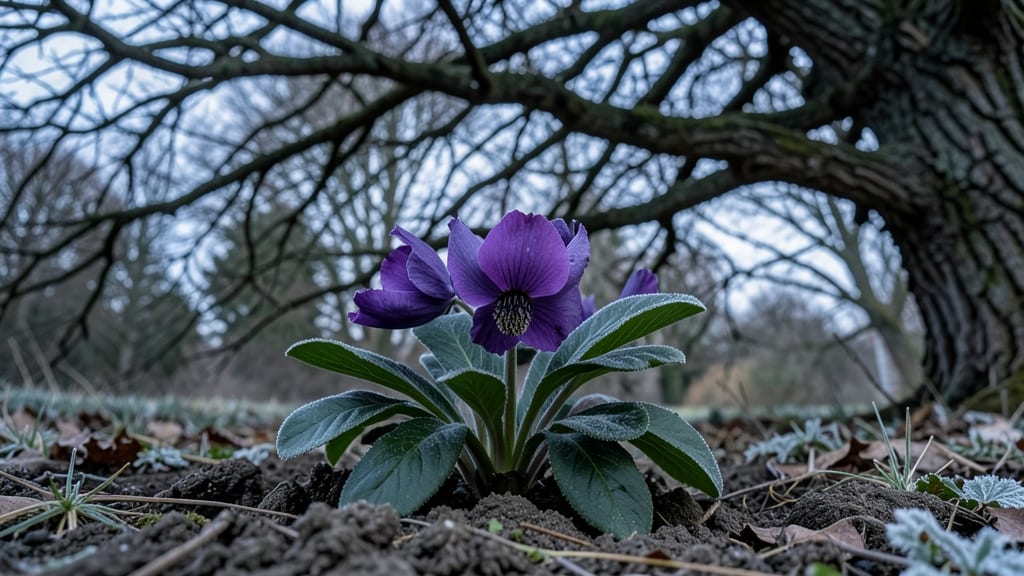
When your garden looks bare in winter, Helleborus niger—the Christmas rose—steps up with deep purple flowers that bloom from late winter through spring. Unlike many shade plants, this frost-resistant beauty thrives under dense tree canopies where sunlight barely reaches, making it ideal for problem spots.
Plant hellebores in well-draining soil with partial to full shade, and they'll reward you with year-round interest—even when snow still lingers. Their elegant, nodding blooms attract early pollinators like bees and butterflies, giving your garden a head start on seasonal activity. Varieties like 'Royal Purple' offer striking contrast against dark foliage.
Perfect for low-maintenance gardeners and urban spaces, hellebores need minimal care once established. They’re also deer-resistant, making them a smart choice for rural properties. 🌷
Astilbe with Feathery Red Plumes
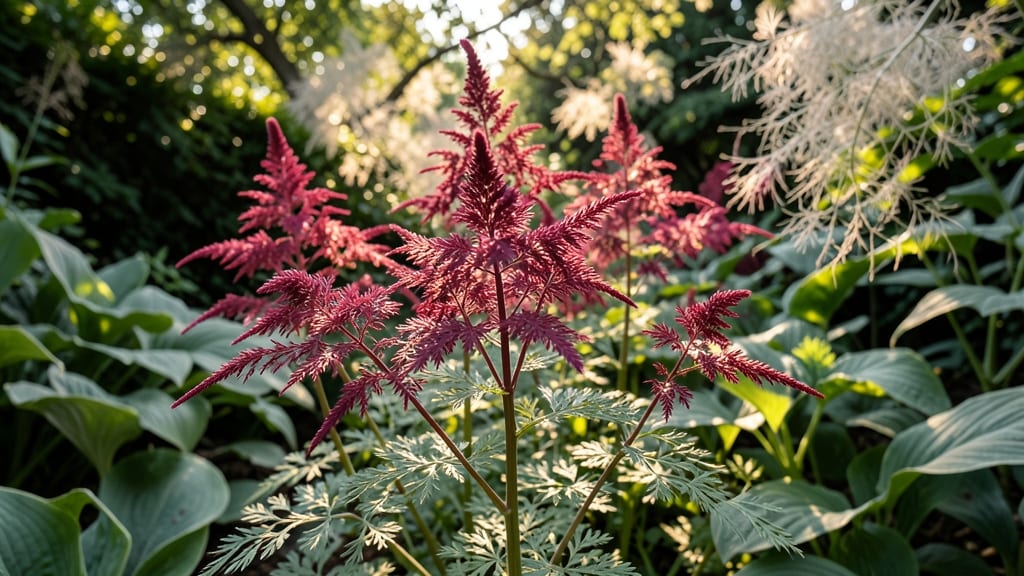
Tired of dense hosta foliage crowding out your shade garden? Astilbe with its feathery red plumes offers a lighter, more airy alternative that dances in the breeze—ideal for adding movement and height to shady spots. The 'Fanal' variety stands out with its vibrant burgundy plumes that bloom from early to mid-summer, creating a dramatic focal point without overwhelming the space.
Unlike hostas, astilbe thrives in consistently moist conditions, making it perfect for rain gardens or containers where water collects. Plant in partial to full shade with well-draining soil amended with organic matter. For best results, group plants in odd-numbered clusters (3, 5, or 7) to create natural, flowing drifts. Deadhead spent blooms to encourage a second flush of flowers, and mulch to retain moisture—especially important in Zone 6’s hot summers.
This is the ideal choice for urban gardeners with limited space or those wanting to brighten up damp corners. Pair with ferns or hellebores for a lush, layered look that feels both wild and refined. 🌻
Lungwort with Spotted Leaves
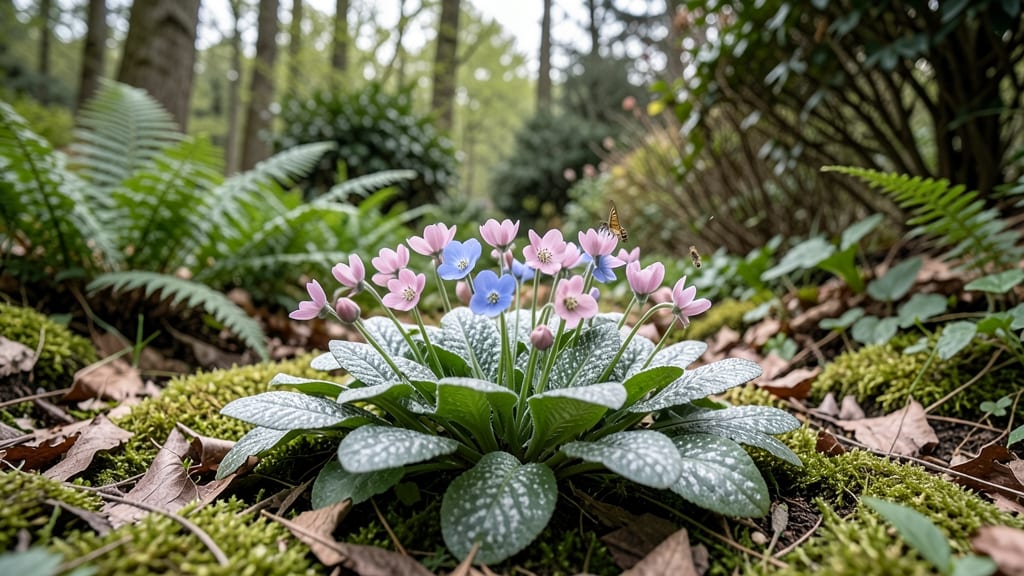
Looking for a shade-loving perennial that doubles as a pollinator magnet? Lungwort (Pulmonaria saccharata) delivers with its striking silver-spotted leaves and early spring blooms, making it a standout for woodland gardens in Zone 6. Unlike many shade plants, lungwort thrives in both dry and moist conditions, adapting effortlessly to your garden’s quirks.
This hardy plant produces blue-purple flowers that transition to pink as they age, followed by seed heads that birds and bees adore. The real magic? It self-seeds reliably, ensuring your garden stays populated year after year. Plant it in partial to full shade with well-draining soil, and watch it spread gently while adding texture and color to borders or understory plantings.
Perfect for beginner gardeners and low-maintenance enthusiasts, lungwort’s dual-season interest—foliage in spring and flowers in early summer—makes it a workhorse for shade gardens. Plus, its deer-resistant nature means fewer battles with hungry wildlife. 🌱
Japanese Painted Fern
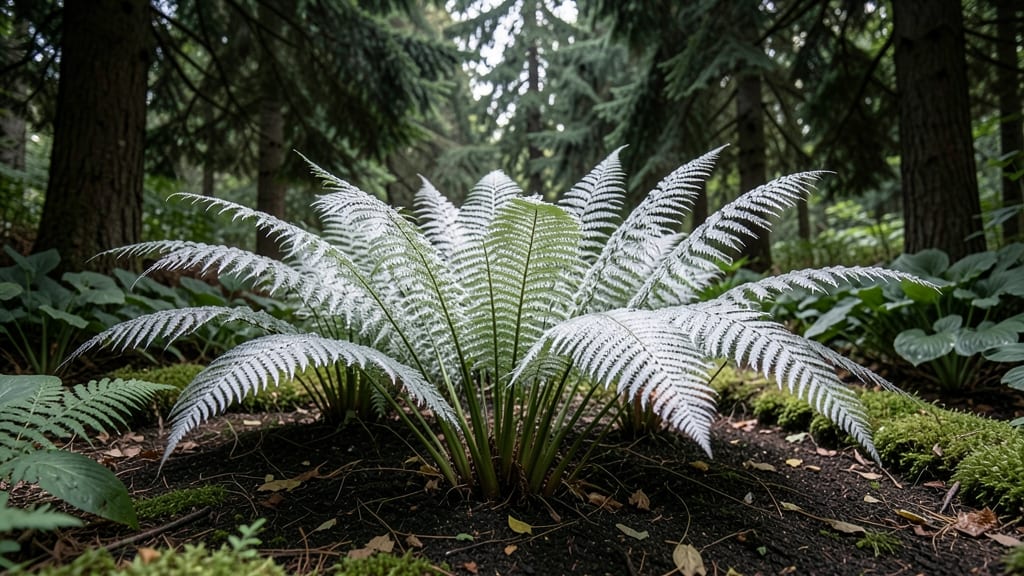
Want a shade garden that sparkles even when sunlight is scarce? The Japanese painted fern (Athyrium niponicum var. pictum) delivers architectural beauty with its silvery-white fronds that catch the light like a hidden treasure. Unlike many shade plants, it thrives in low-light conditions while adding texture and movement to your garden—perfect for understory planting or layered borders.
This drought-tolerant perennial (once established) handles Zone 6’s fluctuating moisture levels with ease, making it ideal for urban gardens or areas with inconsistent watering. Its burgundy stems and silvery foliage create striking contrast when paired with deep green hostas or purple coral bells. For best results, plant in well-draining, slightly acidic soil with partial to full shade, and mulch to retain moisture during dry spells.
Perfect for gardeners who love low-maintenance foliage with high impact, this fern adds year-round interest—its fronds turn golden in fall, then brown in winter, creating a subtle seasonal show. 💚
Coral Bells with Lavender Flowers
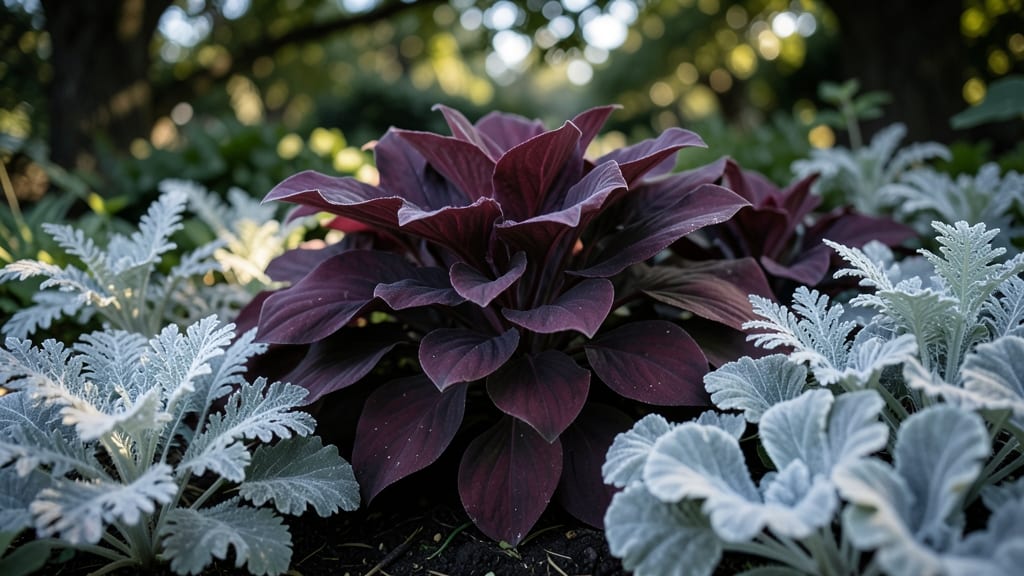
Looking to add color and texture to your shade garden without the fuss of high-maintenance plants? Coral bells (Heuchera)—especially the stunning 'Palace Purple' variety—deliver cascading foliage that pairs perfectly with silver-leaved companions like Japanese painted fern or lamb’s ears. Their deep burgundy leaves create a dramatic backdrop for delicate lavender flower spikes that appear in late spring to early summer.
This versatile ground cover thrives in partial shade (3–6 hours of sun) and handles Zone 6’s temperature swings with ease. Plant 'Palace Purple' in well-draining soil amended with compost, spacing them 12–18 inches apart for a lush, layered effect. Their drought-tolerant once established, making them ideal for urban gardens or understory plantings where moisture can be inconsistent.
Perfect for container gardens, rockeries, or woodland edges, coral bells bring year-round interest—even after their flowers fade, the foliage remains vibrant. Pair them with silver foliage plants to create a striking contrast that feels both modern and natural. 💚
Sweet Woodruff with Star-Shaped Flowers
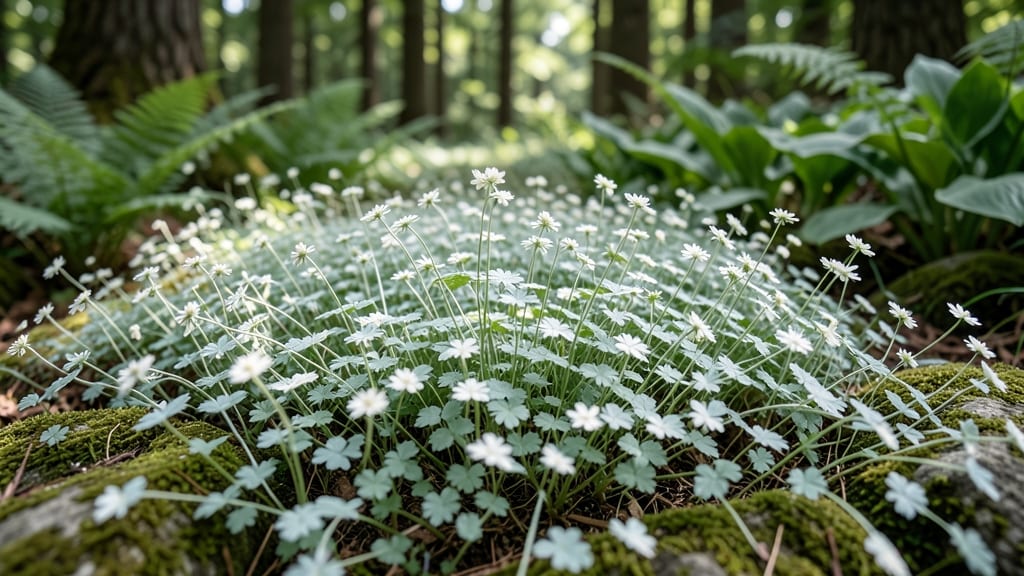
If you dream of a shade garden that smells as good as it looks, sweet woodruff (Galium odoratum) is your secret weapon. This delicate ground cover spreads gently while filling your garden with a vanilla-like fragrance when brushed or crushed—like a natural spring perfume that lifts your spirits and attracts pollinators.
Plant sweet woodruff in partial to full shade where it thrives in well-draining, humus-rich soil. It spreads slowly via underground runners, making it ideal for filling gaps under trees or along woodland edges. In late spring, it produces clusters of tiny star-shaped white flowers that add a whimsical touch to shady borders. While it prefers consistent moisture, it’s surprisingly drought-tolerant once established.
Perfect for fragrant garden enthusiasts and low-maintenance gardeners, this plant also makes a lovely living mulch that suppresses weeds naturally. Pair it with hostas or ferns for a lush, sensory-rich shade garden that feels like a secret woodland retreat. 🌿
Toad Lily with Unique Spider-Like Blooms
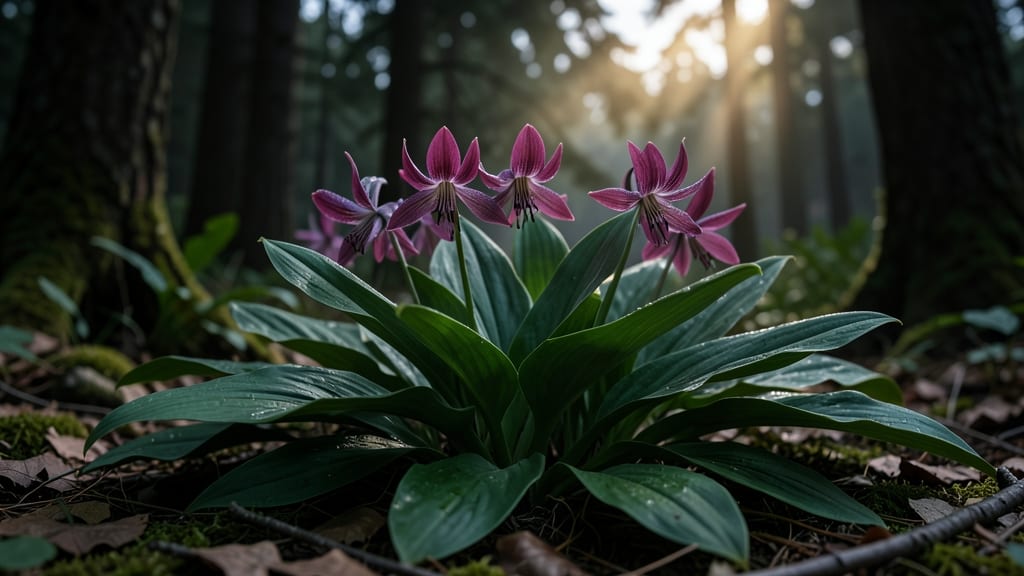
Step into a mysterious woodland garden with toad lily (Tricyrtis hirta), a late-summer bloomer that thrives where others falter. Its spider-like purple flowers emerge from dark green foliage like secret treasures, adding drama to the deepest shade spots that receive little sunlight.
This hummingbird magnet blooms from August through September, offering year-round interest even after flowers fade—its striking foliage and seed heads provide winter structure. Plant in well-draining, humus-rich soil with partial to full shade, and keep the roots consistently moist but not soggy. Divide clumps every 3-4 years to maintain vigor, and watch it spread gently while creating a moody, enchanting atmosphere.
Perfect for woodland gardeners and shade enthusiasts, toad lily brings an exotic touch without demanding high-maintenance care. Its unique blooms and late-season color make it a standout for any deep-shade garden. ✨
Solomon's Seal with Arching Stems

Craving a shade garden that feels like a living watercolor painting? Solomon's Seal (Polygonatum odoratum) brings graceful, arching stems adorned with dangling white flowers that nod gently in the breeze—like nature's own chandelier. This underappreciated perennial thrives where others fail, spreading slowly yet reliably to create lush, fragrant carpets under trees or along woodland edges.
Plant in partial to full shade with well-draining, humus-rich soil, and watch it establish itself with minimal care. The fragrant blooms appear in late spring to early summer, followed by clusters of blue-black berries that add winter interest. Unlike aggressive spreaders, Solomon's Seal maintains a neat, contained habit, making it ideal for naturalizing without taking over. Mulch annually to retain moisture and suppress weeds.
Perfect for woodland gardeners and low-maintenance enthusiasts, this plant offers year-round structure with its striking foliage and elegant growth habit. Pair it with ferns or hellebores for a dreamy, layered shade garden that feels both wild and refined. 🌿