
Trees
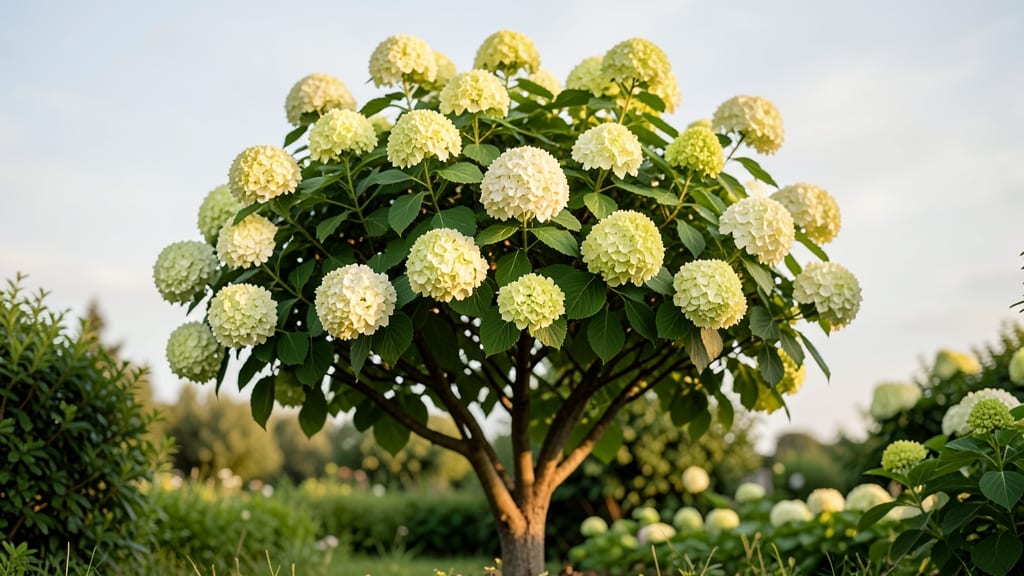
Want to add beauty and shade to your yard without sacrificing privacy? These 10 flowering trees provide lush canopies, vibrant blooms, and year-round greenery—perfect for gardeners seeking both function and aesthetics.
Japanese Snowbell Tree with Delicate White Flowers

Looking for a fragrant, low-maintenance tree that thrives in partial shade? The Japanese Snowbell Tree (Styrax japonicus) is your perfect match—its delicate, bell-shaped white flowers bloom in spring, filling the air with a sweet, subtle scent that’s ideal for small gardens or urban spaces.
This slow-growing tree reaches 15-25 feet tall but stays narrow, making it perfect for tight spots. It tolerates partial shade (3-6 hours of sun) and adapts well to various soil types, including clay. For best results, plant it in well-draining soil and water deeply during its first year to establish strong roots.
Urban gardeners and beginners will love its low-maintenance nature—just prune lightly after flowering to shape it. The fragrant blooms also attract pollinators, adding life to your garden without overwhelming it. 🌱
Eastern Redbud for Early Spring Color

If you crave a burst of color when spring is still shy, the Eastern Redbud (Cercis canadensis) delivers with its showstopping pink blooms that appear before leaves even emerge. This native tree is one of the first to flower in early spring, turning bare branches into a sea of vibrant color that brightens even the dreariest winter gardens.
Thriving in partial shade to full sun, it reaches 20–30 feet tall but stays narrow enough for small yards. Its moderate shade makes it ideal for underplanting with spring bulbs like daffodils or crocuses, creating a layered look. Prune lightly after flowering to maintain shape, and watch for heart-shaped leaves that add lushness as summer arrives.
Perfect for gardeners who want low-maintenance beauty and early-season interest, this tree also attracts pollinators like bees and butterflies. Plant it as a focal point near patios or walkways for year-round enjoyment. 🌻
Saucer Magnolia with Large Fragrant Blooms

Craving a formal garden centerpiece that delivers both privacy and perfume? The Saucer Magnolia (Magnolia × soulangeana) is your answer—its cup-shaped blooms (up to 8 inches wide!) burst open in early spring, often before leaves emerge, creating a dramatic focal point that lasts for weeks.
This deciduous tree thrives in full sun to partial shade (4-6 hours of light) and grows 20-30 feet tall with a rounded canopy, making it perfect for privacy screens near patios or driveways. Its dense foliage provides year-round shade, while the fragrant flowers (white, pink, or purple) attract pollinators. Plant it in well-draining soil with a mulch ring to retain moisture—just avoid overwatering once established.
Homeowners with formal gardens or those seeking a low-maintenance shade solution will adore its bold presence. The early spring blooms also make it a standout for seasonal color before other trees leaf out. 🌷
Fringe Tree for Summer-Long Interest

When you need a shade-loving tree that delivers summer-long drama, the fringe tree (Chionanthus virginicus) steals the show with its feathery white flowers that bloom from late spring through summer. Unlike spring-flowering trees, this native beauty extends its display well into the season, making it a standout for urban gardens where space is tight but filtered light still reaches.
This medium-sized tree (20–30 feet tall) thrives in partial shade to full sun, adapting to both city streets and woodland edges. Its broad, rounded canopy provides ample shade while the textured flowers add movement and contrast against dark green foliage. For best results, plant it in well-draining soil and water regularly during its first year—after that, it’s drought-tolerant once established.
Perfect for urban gardeners or anyone with limited space, the fringe tree’s low-maintenance nature and seasonal interest make it a versatile choice. Pair it with hostas or ferns for a layered, shade-friendly garden that stays vibrant all summer. ✨
Crape Myrtle with Lavender-Pink Flowers

If you're in a hot, dry climate and tired of watering thirsty shade trees, the Crape Myrtle (Lagerstroemia spp.) is your game-changer—this tree thrives on neglect while delivering lavender-pink blooms from summer through fall. Unlike many flowering trees, it blooms repeatedly on new wood, so even if you prune it back, you’ll still get vibrant color.
Native to the southeastern U.S., this drought-tolerant tree handles full sun to partial shade (6+ hours of light) and adapts to almost any soil, including poor or rocky ground. Its peeling bark adds winter interest, while the broad canopy provides ample shade once mature (15–30 feet tall). For best results, prune in late winter to shape it and remove dead wood—just avoid "crape murder" (over-pruning), which can kill the tree.
Perfect for low-maintenance yards in zones 6–9, Crape Myrtle is a top pick for southern gardeners who want color without the fuss. Its heat resistance and long bloom season make it a standout for patios, borders, or as a standalone specimen. 🌻
Serviceberry Tree for Edible Beauty

Want a tree that does it all—beauty, shade, and food? The serviceberry tree (Amelanchier spp.) is your multi-season superstar, offering white spring flowers, sweet edible berries in summer, and fiery fall foliage that turns golden or red. Unlike other flowering shade trees, it delivers a harvestable bounty—perfect for food gardens where you want both aesthetics and utility.
This small-to-medium tree (15–25 feet tall) thrives in partial shade to full sun and adapts to various soil types, including clay. Plant it in well-draining soil and water regularly during its first year—after that, it’s drought-tolerant. The edible berries (similar to blueberries) ripen in late summer and attract wildlife, while the fall foliage provides a stunning finale. Prune lightly in late winter to maintain shape.
Ideal for permaculture gardens or small homesteads, the serviceberry tree brings year-round interest with minimal fuss. Its versatile nature makes it a favorite for both urban gardeners and woodland enthusiasts alike. 🌟
Weeping Cherry Tree for Graceful Canopy

Transform your outdoor seating area into a romantic retreat with a weeping cherry tree (Prunus serrulata), whose cascading branches create a living canopy of delicate pink or white blooms in spring. Unlike upright varieties, this tree’s graceful, weeping habit drapes flowers and foliage downward, casting dappled shade perfect for decks, patios, or garden nooks.
Thriving in full sun to partial shade (4-6 hours of light), it matures at 15-25 feet tall with a spread of 10-15 feet, making it ideal for small yards. Plant it in well-draining soil with a mulch ring to retain moisture, and water deeply during its first year. Prune lightly after flowering to maintain shape—avoid heavy cuts, as these trees bloom on old wood.
Perfect for gardeners who love whimsical charm and seasonal drama, this tree pairs beautifully with hostas or ferns beneath its branches. Its early spring blooms and lush foliage make it a standout for creating intimate, shaded gathering spots. 🌷
Smokebush for Four-Season Interest

Tired of trees that only shine in one season? The smokebush (Cotinus coggygria) is a game-changer—this large shrub delivers four-season interest with smoky-pink flower plumes in summer and fiery red foliage in fall, all while providing moderate shade. Unlike traditional trees, it stays compact (10–15 feet tall) but offers the same privacy and texture benefits, making it perfect for mixed borders or hedges.
Thriving in full sun to partial shade, smokebush adapts to almost any soil and is drought-tolerant once established. Its velvety foliage adds depth to garden beds, while the smoky haze of summer blooms attracts pollinators. Prune lightly after flowering to maintain shape—just avoid cutting back into old wood, which can reduce next year’s blooms.
Ideal for urban gardens or small yards, smokebush brings year-round color with minimal effort. Pair it with hostas or ferns for a layered, low-maintenance shade solution that keeps your garden vibrant from spring to winter. 💚
Dogwood Tree with Star-Shaped Flowers

For a timeless woodland charm that delivers year-round interest, the dogwood tree (Cornus florida) is the undisputed star—its star-shaped blooms in spring (white, pink, or red) create a dappled-light spectacle, while its deep red fall foliage offers a fiery finale. Unlike many flowering shade trees, dogwoods thrive in filtered sunlight (3-6 hours of sun), making them ideal for understory planting or as a specimen focal point in lawns where full sun is too harsh.
This small-to-medium tree (15-25 feet tall) adapts to moist, well-draining soil and even tolerates clay, though it prefers acidic conditions (pH 4.5-6.0). Plant in late fall or early spring for best root establishment, and water deeply during droughts—once mature, it’s surprisingly drought-tolerant. Prune lightly in late winter to remove dead branches, but avoid heavy cuts, as dogwoods bloom on old wood.
Perfect for woodland gardeners or those seeking a low-maintenance tree with seasonal drama, dogwoods also attract birds and pollinators. Their versatile placement—whether as a single statement tree or in naturalistic groupings—makes them a must-have for shade gardens craving both beauty and function. 🌟
Hydrangea Tree for Bold Foliage and Flowers

If you love the look of hydrangeas but wish they grew taller—or needed less pruning—the hydrangea tree (Hydrangea paniculata cultivars like 'Limelight' or 'Little Lime') delivers all the drama in a compact package. This smaller, tree-form hydrangea produces football-sized blooms in summer that shift from green to pink or deep purple, paired with dense, glossy foliage that provides shade without taking over your yard.
Unlike bush hydrangeas, these trees grow 10–20 feet tall (depending on variety) with a multi-stemmed, shrub-like habit, making them perfect for containers, small patios, or tight urban spaces. They thrive in partial shade to full sun (4–6 hours of light) and tolerate a wide range of soils, though they prefer moist, well-draining conditions. For container growing, choose a large pot with drainage and use a balanced fertilizer in spring to encourage robust blooms.
Urban gardeners and balcony planters will love this low-maintenance alternative—just prune in late winter to shape it and remove dead stems. The long bloom season (July–October) and winter interest (some varieties hold dried blooms) make it a standout for seasonal color with minimal effort. 🌻