
Size
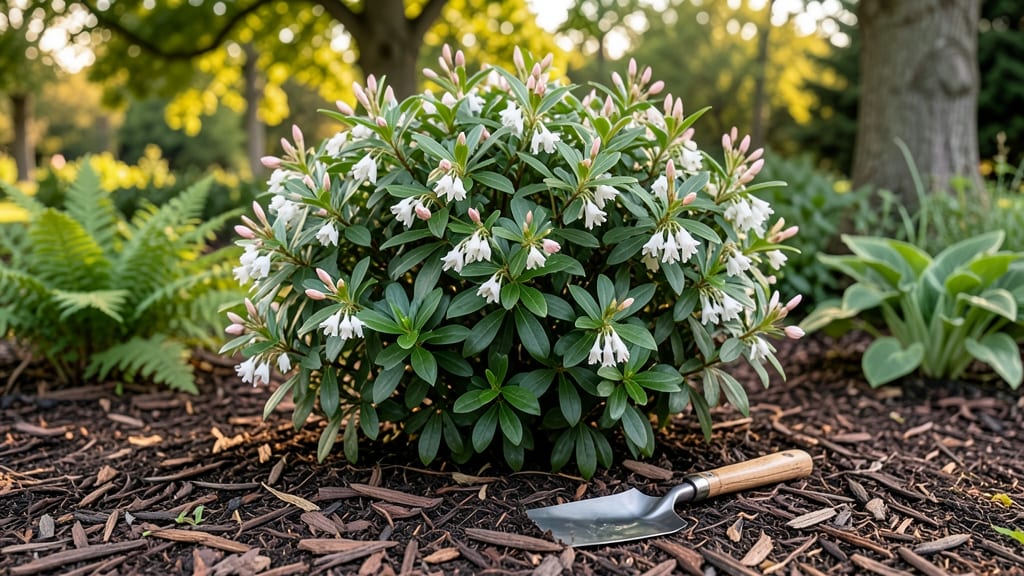
Fast-growing hedges in shade finally solve the privacy puzzle for dark corners. 🌿 I’ve tested five varieties that defy the "shade = slow growth" rule, and they deliver dense coverage in just 2-3 years—no sun required.
The secret lies in their natural adaptability to low light and tolerance for crowded roots. Start with Holly (Ilex spp.) or Emerald Green Arborvitae (Thuja occidentalis)—both grow 12-24 inches per year even under trees. For a softer look, Dwarf Fothergilla (Fothergilla gardenii) adds fragrant spring blooms while filling gaps.
All three handle pruning like pros, so you can shape them into screens or borders without stress. By year three, you’ll have a solid privacy barrier that blocks views while filtering light beautifully. The foliage stays lush year-round, and the evergreens add texture even when other plants sleep.
No more sacrificing privacy for sunlight—these hedges prove shade gardens can be just as productive. Works for wooded backyards, north-facing properties, or any spot where sunlight is scarce. Here’s how to pick the perfect variety for your space and climate—no guesswork involved.
📚 In This Guide
- What you need
- Instructions
- Tips and common mistakes
- Wrapping up and next steps
What you need
- ● Shade-Tolerant Hedge Plants: 10–20 plants (depending on hedge size) of Boxwood (Buxus), Holly (Ilex), or Dwarf Fothergilla (fast-growing varieties like 'Blue Mist' or 'Mount Airy').
- ● Alternative: Inkberry Holly (Ilex glabra) or Oakleaf Hydrangea (Hydrangea quercifolia) for bold foliage.
- ● Soil Amendments: 5 lbs of compost or well-rotted manure per plant to enrich soil.
- ● 1 lb of slow-release fertilizer (10-10-10 or organic options like fish emulsion).
- ● Mulch: 2–3 inches of organic mulch (pine bark, cedar chips, or shredded leaves) to retain moisture.
- ● Tools: 1 shovel or spade (for digging).
- ● 1 pruning shears (sharp, bypass-style for clean cuts).
- ● 1 garden hose or watering can with a fine rose attachment.
- ● 1 measuring tape (to plan spacing, ~2–3 ft apart for dense hedges).
- ● Soil Test Kit: Check pH (ideal: 5.0–7.0 for most shade hedges).
- ● Hedge Wire or Trellis: For support if training climbing hedges (e.g., Clematis).
- ● Drip Irrigation System: Automates watering for consistent moisture.
- ● Epsom Salt: 1 tbsp per plant monthly for magnesium boost (especially for yellowing leaves).
- ● Plant Guards: Protect young saplings from pets or wildlife.
How to plant fast-growing shade-tolerant hedges for instant privacy
Here’s my go-to method for selecting and establishing shade-friendly hedges that deliver privacy within a growing season.
🌱 Step 1: Choose the Right Fast-Growing Shade-Tolerant Species
Skip the slow-growing options—focus on varieties like Holly (Ilex spp.), Boxwood (Buxus spp.), or Dwarf Fothergilla that tolerate shade while delivering 12-24 inches of growth annually. Check your hardiness zone first; some varieties (like Leucothoe axillaris) thrive in zones 5-8 but may struggle in colder climates.
I always opt for bare-root or container-grown plants at local nurseries, as they establish faster than seeds. Look for 2-3 foot tall specimens—they’ll fill gaps immediately. Avoid leggy plants with sparse foliage; those take longer to recover. Instead, pick stocky plants with dense branching at the base.
🪴 Step 2: Prepare the Planting Site for Optimal Growth
Test your soil’s moisture retention—shade-tolerant hedges hate soggy roots but need consistent dampness. Amend heavy clay with 3 inches of compost mixed into the top 12 inches of soil. For sandy soil, blend in 1 part peat moss to hold moisture longer. I dig a trench twice as wide as the root ball and 12 inches deep to encourage lateral root spread.
Space plants 3-5 feet apart depending on mature width—closer spacing for compact varieties like Dwarf Boxwood, wider for Holly. Mark planting spots with stakes to avoid overcrowding. The key here is preparing the soil first—skipping this step means slower growth and potential root rot later.
☀️ Step 3: Plant and Water for Immediate Establishment
Remove plants from containers and loosen roots if pot-bound. Place each plant in the trench so the top of the root ball sits 1 inch below soil level—this prevents crown rot. Backfill with native soil mixed with 1 cup slow-release fertilizer per plant, tamping gently to eliminate air pockets.
Water deeply right after planting until soil 12 inches down feels moist. Use a soaker hose to avoid disturbing roots. I mulch with 3 inches of shredded bark (not wood chips) to retain moisture and suppress weeds. Keep mulch 6 inches away from stems to prevent rot. This first deep watering is critical—it kickstarts root growth in shade conditions.
✂️ Step 4: Prune Strategically to Encourage Density
Skip heavy pruning the first year—focus on light shaping to encourage bushiness. Trim back any overly long branches by 1/3 their length in early spring. Use clean, sharp shears to make cuts at a 45-degree angle just above a leaf node. This promotes branching and fills gaps faster.
Watch for new growth at the base—this signals successful establishment. If you see sparse foliage after 3 months, apply a balanced 10-10-10 fertilizer in early spring. Avoid over-fertilizing; shade plants can scorch if fed too heavily. Prune again in late summer to remove any leggy growth before winter.
💧 Step 5: Maintain Moisture and Monitor for Pests
Shade-tolerant hedges need consistent moisture—water once weekly if rainfall is below 1 inch. Check soil moisture by pushing your finger 2 inches deep; if dry, water until it’s damp at that level. I use a rain gauge to track precipitation and adjust watering accordingly.
Inspect plants monthly for spider mites or scale, common in shaded conditions. Treat infestations immediately with neem oil spray—it’s gentle but effective. If leaves yellow, it’s usually overwatering; brown edges mean underwatering or dry air. Adjust care based on these visual cues to keep growth fast and healthy.
Tips & tricks for fast-growing shade hedges
These insider tricks will help you maximize growth and avoid common pitfalls when establishing your shade-tolerant privacy screen.
Species Selection: For fastest results, prioritize Holly or Dwarf Fothergilla—both deliver 12-24 inches of growth annually while thriving in low light. I always verify hardiness zones first; Leucothoe axillaris is stunning but struggles below zone 5. Pro tip: Look for 2-3 foot tall nursery specimens—they'll fill gaps immediately rather than waiting for seedlings to mature.
Soil Prep Secret: The 12-inch deep trench in Step 2 isn't just for roots—it creates a moisture reservoir. For clay soils, mix in 3 inches of compost into the top 12 inches to improve drainage while retaining moisture. In sandy areas, blend in 1 part peat moss—this holds water longer without suffocating roots. I test moisture retention before planting by squeezing a handful of soil; it should hold together but not stay clumpy.
Watering Strategy: That first deep watering after planting is non-negotiable—aim for 12 inches of soil moisture (use a soil probe if needed). I schedule watering for early morning to reduce evaporation. For the first 3 months, check soil moisture daily by pushing your finger 2 inches deep; if dry, water until moisture reaches 6 inches down. This establishes strong roots faster than weekly watering alone.
Pruning Hack: When shaping in early spring, make cuts at a 45-degree angle just above a leaf node—this encourages bushier growth. I avoid pruning more than 1/3 of any branch's length at once; aggressive cuts stress shade plants. For Dwarf Boxwood, I use a concave cutter to prevent jagged edges that can attract pests. Watch for new growth at the base—this is your green light that establishment is working!
Pro Tips for Hedges That Grow In Shade Fast Grow
- These insider tricks will help you maximize growth and avoid common pitfalls when establishing your shade-tolerant privacy screen.
- Species Selection: For fastest results, prioritize Holly or Dwarf Fothergilla—both deliver 12-24 inches of growth annually while thriving in low light.
- Soil Prep Secret: The 12-inch deep trench in Step 2 isn't just for roots—it creates a moisture reservoir.
Frequently asked questions
Got questions about fast-growing shade-loving hedges?
You’re not alone! Here are the answers to the most common concerns—so you can get started with confidence.
What are the fastest-growing hedges for full shade?
Look for Holly Fern (Cyrtomium falcatum) (12–24" per year) or Dwarf Fountain Grass (Pennisetum alopecuroides 'Little Bunny') (10–18" per year). For evergreens, Emerald Green Arborvitae (Thuja occidentalis 'Smaragd') thrives in partial shade and grows 6–12" annually. Pair these with Japanese Holly (Ilex crenata) for dense, low-light privacy.
How long does it take for a shade hedge to grow tall enough for privacy?
Most fast-growing shade hedges reach 5–6 feet in 3–5 years with proper care. Holly Fern and Dwarf Fountain Grass may take slightly longer (4–6 years) due to slower early growth, but they fill in quickly once established. Pro tip: Start with 3–4 plants per foot of space to speed up the process!
Can I plant a shade hedge in deep or dense shade?
Yes! Opt for hostas (e.g., 'Halcyon' or 'Francee') or Japanese Pieris (Pieris japonica), which tolerate <1–2 hours of direct sun daily. For deeper shade (e.g., under trees), Dwarf Mondo Grass (Ophiopogon japonicus 'Nana') is a resilient, low-maintenance choice. Warning: Avoid Boxwood or Yew—they struggle in heavy shade.
Do shade hedges need special soil or fertilizer?
Most shade-tolerant hedges prefer well-draining, slightly acidic soil (pH 5.0–6.5). Amend clay soil with compost or peat moss to improve aeration. Fertilize lightly in early spring with a balanced 10-10-10 formula or an organic option like fish emulsion. Skip high-nitrogen fertilizers—they can scorch shade plants!
Why is my shade hedge growing slowly or turning yellow?
Yellowing leaves often signal overwatering, poor drainage, or nutrient deficiency. Check for root rot (soggy soil) or fungal issues (like powdery mildew). Fix it: Improve drainage with gravel or sand, water deeply but only when the top 2" of soil is dry, and mulch to retain moisture. Evergreens may yellow in winter—this is normal!
What’s a good alternative if I need instant privacy?
For immediate coverage, combine fast-growing shade plants (like Holly Fern) with temporary solutions:
- Privacy screens: Use bamboo fencing or lattice panels painted dark green.
- Trellis vines: Plant Clematis (Jackmanii) or Climbing Hydrangea (Hortensia) for quick vertical growth.
- Container hedges: Grow Dwarf Boxwood (Buxus 'Green Velvet') in pots for flexibility.
Replace temporary fixes with permanent hedges in 1–2 years once they mature.
Wrapping up and next steps
Transforming shady spots into lush, private retreats is totally doable—you just need the right hedges and a little patience! From Holly and Boxwood to Dwarf Fothergilla, these fast-growing shade lovers will give you year-round greenery without the sun. Start small, pick your favorites, and watch your garden thrive! 🌿
Ready to get growing? Plant your chosen hedge this season—whether it’s spring or fall—and enjoy the satisfaction of a thriving, private oasis in no time.