
Shrubs
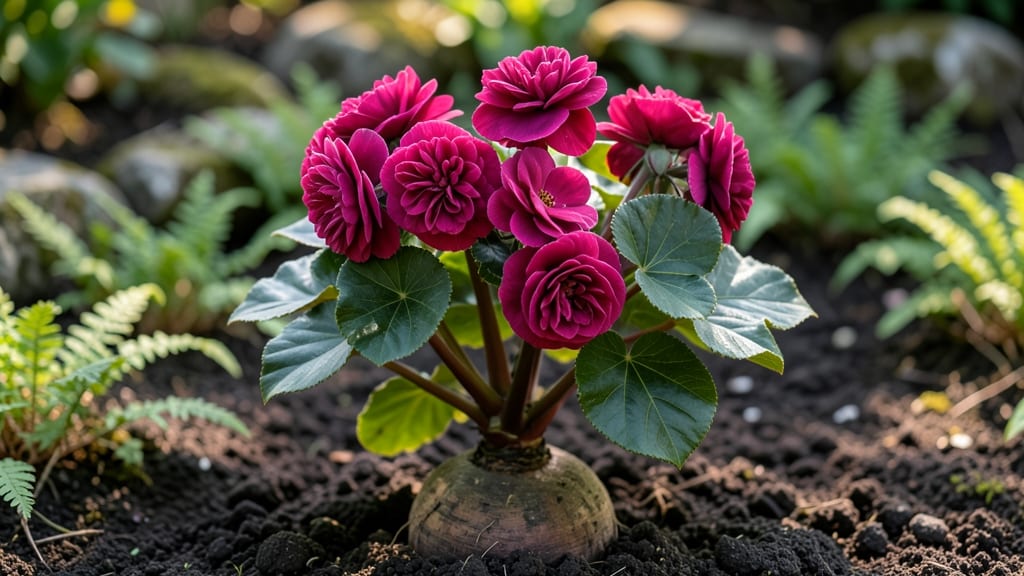
Double begonias thrive in bright, indirect light—whether in filtered sun or gentle shade—making them a versatile choice for gardeners in zones like 6a.
Picture this: your 🌸 Double Begonia drooping after a scorching afternoon in full sun, or its blooms fading because it’s tucked too far from any light.
The key isn’t just some light—it’s the right kind, and knowing how to adjust care for seasonal shifts can mean the difference between vibrant blooms and struggling foliage.
Too much direct sun? The leaves crisp like parchment. Too little? Growth stalls, and those lush double blooms you love become a distant memory.
I’ll break down exactly where to place your plants—whether indoors near an east-facing window or outdoors under a tree’s dappled canopy—and how to spot the signs when something’s off.
By the end, you’ll know how to give your Double Begonia the perfect balance of sun or shade, year-round, so it keeps blooming like it’s on a nonstop parade.
 Best Window Placement
Ideal sun vs. shade requirements for double begonias
Double begonias thrive in bright, indirect light, but their delicate foliage and blooms demand careful attention to avoid sunburn or leggy growth. Unlike hardy succulents, these beauties can't handle harsh afternoon rays, yet they need enough light to produce those showstopping double blooms you adore.
The key lies in understanding morning sun vs. afternoon shade dynamics and how your climate zone affects their needs.
Most gardeners mistakenly assume "shade" means dim corners, but double begonias crave filtered light—think dappled sunlight through tree canopies or the gentle glow of an east-facing window.
In my Zone 7b garden, I've learned that even 3 hours of morning sun followed by afternoon shade creates perfect conditions. Let's break down the science and practical tips to get your begonias blooming their best.
Why indirect light? Double begonias originate from tropical rainforests where sunlight filters through dense canopies. Their leaves lack the waxy cuticle of sun-loving plants, making them prone to leaf scorch from direct rays. Yet, too little light leads to pale leaves and sparse blooms—a common frustration for indoor growers. The solution? Strategic placement that mimics their natural habitat.
In cooler climates (Zones 3-6), double begonias often perform better with more afternoon shade during summer months when UV intensity peaks. I've noticed my Zone 5 plants develop crispy leaf edges by late July if left in morning sun all day—adding a lightweight shade cloth (30-50%) solves this instantly.
For warmer zones (7-10), focus on protecting them from hot afternoon sun between 1-4 PM.
Indoor growers face unique challenges. A south-facing window can be deadly for double begonias unless you use sheer curtains to diffuse the light. I place mine 3-4 feet back from the window and rotate the pot weekly to ensure even growth.
For low-light conditions, supplement with a grow light 12 inches above for 6 hours daily—this mimics their natural light cycle beautifully.
Seasonal adjustments are crucial. In spring and fall, when sunlight is gentler, you can extend morning sun exposure to 4-5 hours without risk. But by mid-summer, reduce direct sun to 2 hours max and prioritize dappled shade.
My Zone 8 begonias in containers benefit from being moved to shadier spots by June 1st—this simple shift prevents leaf bleaching and keeps blooms vibrant.
One common mistake is assuming all shade is equal. Deep, dark shade (like under dense evergreens) causes etoliation—stretched, weak stems with tiny leaves. To fix this, I place a reflective surface (white tray
Seasonal light adjustments to maximize double begonia blooms
Transitioning your double begonias between seasons is key to keeping them blooming beautifully. In spring, as temperatures rise, they crave bright indirect light—think morning sun followed by afternoon shade.
But by summer, intense rays can turn their leaves crispy, while winter’s shorter days may leave them stretching pitifully for light.
I’ve learned the hard way that simply moving a plant from indoors to outdoors isn’t enough. You need to adjust gradually and monitor their response.
For example, my 🌸 Double Begonia in a west-facing window thrived until July, when I had to relocate it to a shadier patio spot to prevent leaf burn. The trick is observing—and acting—before damage appears.
Here’s how to fine-tune their light exposure for each season, plus a simple checklist to keep your begonias happy year-round:
🌱 Seasonal Light Care Checklist
- 🌿 Spring: Acclimate to outdoor light over 1-2 weeks; avoid full sun until temps exceed 65°F.
- ☀️ Summer: Provide afternoon shade (use sheer curtains or move pots under trees by 2 PM).
- 🍂 Fall: Gradually reduce light exposure as days shorten; supplement with a grow light if blooms fade.
- ❄️ Winter: Move indoors near an east-facing window; rotate pots weekly for even growth.
- 📝 Year-Round: Check leaf color weekly—yellowing means too much light; pale stems mean too little.
For summer care, I swear by a trick I picked up from a local nursery: place a white mesh shade cloth (30-50% block) over outdoor pots. It diffuses harsh rays while still letting in enough light for blooming.
Test it first—if your begonias start drooping, they’re getting too little light even with the cloth.
In winter, when natural light dwindles, I supplement with a LED grow light on a timer (12-14 hours/day). Position it 6-12 inches above the plant and adjust as buds form—more light = more blooms.
Pro tip: Use a reflective surface (like aluminum foil on the shelf) to bounce light downward.
Don’t forget to rotate your pots every few days, even in consistent light. Begonias grow toward their light source, and uneven exposure leads to lopsided growth or leggy stems. A quick spin ensures all sides get equal energy, keeping those double blooms symmetrical and show-stopping.
With these adjustments, your double begonias will reward you with nonstop color—whether they’re basking in spring’s gentle sun or resting in winter’s cozy shade. The secret? Pay attention, act early, and let their leaves tell you what they need.