
Orchid Care
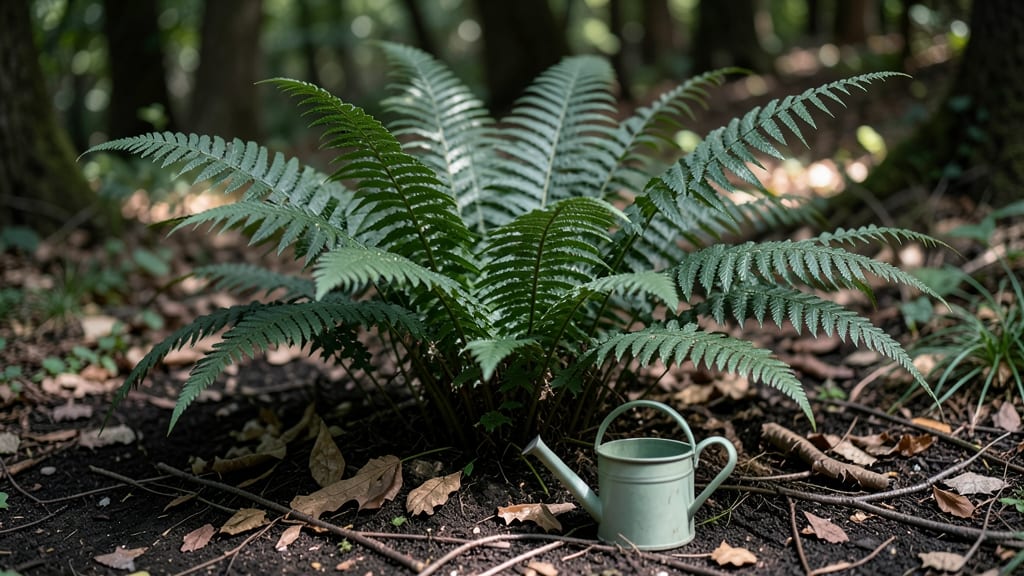
Fern shade or sun determines whether your 🌿 thrives or struggles—most varieties prefer dappled light over harsh afternoon rays, but a few can handle brighter spots.
Picture this: your once-lush ferns now sport crispy brown edges or limp, yellowing fronds. That’s often a light problem, not a watering issue. Getting the balance right isn’t just about survival—it’s about unlocking vibrant growth and lush foliage that turns heads in any garden.
Whether you’re designing a woodland retreat or a sun-dappled border, knowing which ferns crave shade and which tolerate partial sun is the key to a thriving display.
Below, I’ll break down the science behind fern light needs, spot the warning signs of stress, and show you how to pair them with other plants for a showstopping garden.
Ready to transform your ferns from struggling survivors to healthy stars? Let’s dive into the light conditions that will make them flourish year-round.
 Best Window Placement
Understanding fern light requirements: shade vs sun exposure
Ferns are nature's living art—delicate fronds that thrive in dappled light, but their beauty fades fast when light conditions are wrong. Most ferns evolved under forest canopies, where indirect sunlight dominates. This means direct sun exposure can scorch their sensitive leaves, while too little light leads to weak, leggy growth.
Let’s break down the science and practical tips to keep your ferns lush and vibrant.
The key to fern health lies in their photosynthesis process. Unlike sun-loving plants, ferns have low-light adapted chlorophyll, making them inefficient at converting intense sunlight into energy. Instead, they thrive in 30-60% shade, where light is diffused through trees or sheer curtains.
Think of it like a spa day for your plants—gentle light without the harsh UV rays.
Here’s where things get interesting: not all ferns are created equal. Some varieties, like the Boston fern (Nephrolepis exaltata), beg for shade, while others, such as the lacy brake fern (Pteris vittata), can handle partial sun.
Understanding these differences is the first step to creating a fern-friendly garden. Below, we’ll dive into the specifics with a handy reference table to guide your plant placement.
If you’re growing ferns in containers, their light needs become even more critical. A north-facing window or a spot under a tree canopy is ideal for most varieties. For outdoor gardens, place ferns where they receive morning sun and afternoon shade.
This mimics their natural habitat and prevents stress. Pro tip: Use a sheer curtain or lightweight shade cloth to filter harsh sunlight during peak hours.
One common mistake is assuming all ferns are the same. For example, the Boston fern will crisp up in direct sun, while the lacy brake fern might actually thrive with a few hours of morning sunlight.
Always check the specific variety’s needs before planting. Mixing ferns with hostas or impatiens creates a stunning shade garden, while pairing sun-tolerant ferns with heucheras or astilbes adds texture and color.
Scientifically, ferns have a unique stress response to light. When exposed to too much sun, they produce antioxidants like flavonoids to protect their cells, but this comes at the cost of energy. Over time, this leads to browned frond tips and stunted growth.
Conversely, low light reduces photosynthesis, causing fronds to become pale and sparse. The goal is to strike a balance where your ferns can photosynthesize efficiently without stress.
For indoor ferns, rotate your pots every few weeks to ensure even light exposure. This prevents fronds from leaning toward the light source, a sign of etiolation.
If you notice your fern’s fronds stretching or becoming thin, it’s a clear signal to move it to a brighter spot—or add a grow light for 4-6 hours a day. LED grow lights designed for houseplants are a great low-cost solution for maintaining consistent light levels.
Seasonal changes also affect f
Signs your fern needs more shade (or sun!) And how to fix it
Ferns are delicate plants that thrive in specific light conditions, and when they don’t get the right balance, they send clear signals. Watch for yellowing fronds, which often mean too much sun, while slow growth or pale leaves usually indicate insufficient light.
These visual cues help you adjust your fern’s environment before damage becomes permanent.
One of the most common mistakes is assuming all ferns love shade. While many do, some varieties—like the leatherleaf fern—can tolerate partial sun. Overwatering in low-light conditions is another pitfall, as ferns in dim spaces retain moisture longer, leading to root rot.
Let’s decode these signs and fix them for lush, healthy growth.
⚠️ Warning: Light Stress Symptoms in Ferns
Too Much Sun: Brown, crispy frond edges or bleached patches appear within weeks. Ferns get sunburned like skin!
Too Little Sun: Leggy growth (long, weak stems) or yellowing fronds from lack of energy. Roots may struggle to photosynthesize.
Fix: Move ferns gradually—never abruptly—to avoid shock. Use sheer curtains for sun protection or relocate to dappled shade.
Start by examining your fern’s frond edges. If they’re crispy or curled, it’s a red flag for excessive sun exposure. Move your plant to a spot with filtered light, like under a tree canopy or near a north-facing window.
For indoor ferns, rotate the pot every few weeks to ensure even light distribution and prevent one-sided growth.
Slow growth is another clue your fern isn’t getting enough light. If new fronds emerge pale and sparse, place it closer to a bright, indirect light source. Avoid south-facing windows, which can deliver harsh afternoon rays. Instead, opt for east or west exposure for a gentler glow.
Overwatering in low-light conditions is a silent killer. Ferns in dim spaces can’t process moisture efficiently, leading to root rot. Let the top inch of soil dry out between waterings, and ensure pots have drainage holes.
If your fern’s soil smells sour or feels soggy, reduce watering and improve airflow around the plant.
For sun-loving ferns like Pteris vittata, introduce sunlight slowly. Start with 2-3 hours of morning sun and monitor for stress. If fronds darken or wilt, provide afternoon shade. Mulch with organic matter to retain moisture and protect roots from temperature swings.
Remember, ferns communicate their needs through their appearance. By observing frond color, growth patterns, and soil conditions, you’ll create the perfect light balance for thriving, vibrant ferns year-round. 🌿