
Plants
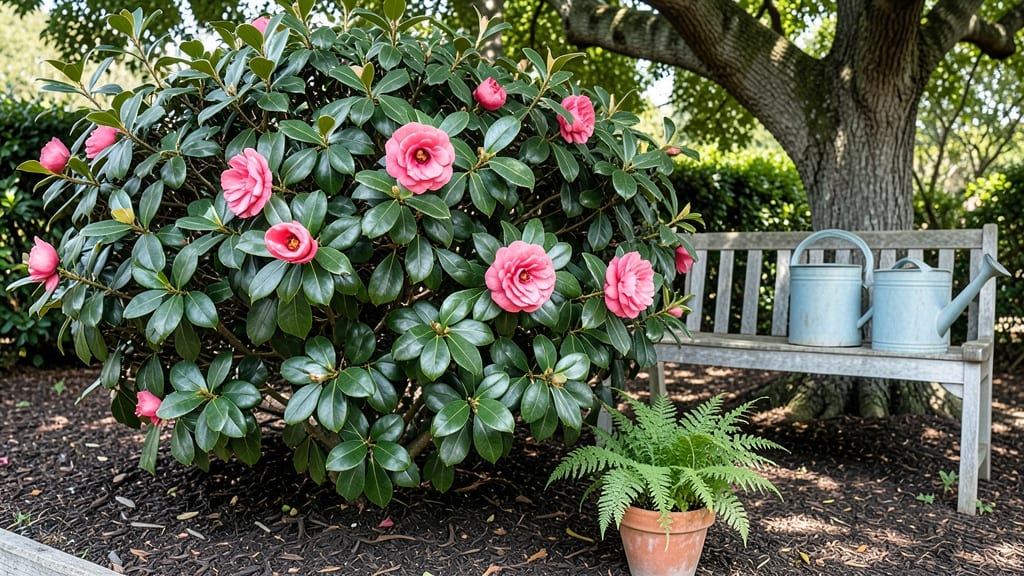
Camellias like shade but need bright, indirect light to bloom beautifully 🌸 — too little light means fewer flowers, while harsh sun can scorch their delicate leaves.
Struggling to keep your camellia blooming year after year? The answer might lie in its light requirements—camellias thrive in specific conditions that many gardeners overlook.
In USDA Zone 6a, where spring arrives in March, these shrubs prefer partial shade with morning sun or filtered light. Too much direct sun can stress them, while deep shade may reduce flowering.
Below, I’ll break down the ideal light setup, how to spot problems, and simple adjustments to keep your camellia thriving—no guesswork required.
 Best Window Placement
Camellia light requirements: how much shade do they need?
If you’ve ever wondered, "Does camellia like shade?" the answer is a resounding yes—but with conditions. Camellias are famous for their glossy foliage and stunning blooms, but they’re sun-sensitive in ways many gardeners underestimate.
Unlike sun-loving shrubs, camellias prefer filtered light to thrive, which means understanding their partial shade needs is key to keeping them healthy and blooming abundantly.
The ideal light exposure for camellias falls between 2 to 6 hours of direct sunlight daily, paired with dappled shade or indirect light for the rest of the day. This balance prevents leaf scorch while ensuring enough energy for vibrant flowers.
Too much sun can cause brown, crispy edges on leaves, while too little shade may lead to sparse blooming or leggy growth. Think of it like Goldilocks—not too hot, not too cold, but just right.
Camellias tolerate shade better than full sun, making them perfect for woodland gardens, patios with afternoon shade, or under tall trees. However, shade alone won’t guarantee blooms—they still need some direct sunlight to trigger flowering. In hot climates, morning sun with afternoon shade is ideal, while cooler regions can handle more filtered light year-round.
Here’s the breakdown of how light affects camellias at different stages of growth:
One common mistake I see is placing camellias in deep, dark shade—like under dense evergreens—where they struggle to bloom. If your camellia is in a shady spot, try moving it to a location with at least 2-3 hours of morning sunlight.
For example, a spot near a north-facing window or under a tree with sparse branches works beautifully. In urban gardens, consider artificial shade cloth (30-50% shade) during peak summer hours to protect leaves from intense afternoon sun.
Another pro tip: Observe your camellia’s leaves for clues. If they’re dark green and glossy, it’s likely getting the right light. But if you notice yellowing leaves or pale new growth, it may need more sunlight.
Conversely, brown, crispy leaf edges signal too much sun exposure. Adjust gradually—camellias adapt best to slow changes in light conditions.
For container-grown camellias, light needs shift slightly. Since pots dry out faster and roots can overheat, bright indirect light (like a south-facing patio with afternoon shade) is ideal. Avoid placing them in direct midday sun, which can stress roots and reduce blooming.
If your patio gets harsh afternoon sun, use a lightweight shade sail to filter UV rays without blocking airflow.
Seasonal adjustments are also crucial. In spring and fall, when temperatures are milder, camellias can handle more direct sunlight (up to 4-5 hours). But in summer, especially in southern climates, reduce exposure to 2 hours or less to prevent leaf burn.
I once had a camellia in full sun during a heatwave—it lost half its leaves within weeks! Since then, I’ve made sure to monitor weather patterns and adjust shade accordingly.
Finally, don’t overlook companion planting to naturally regulate light. Pair your camellia with tall, deciduous trees (like oaks or maples) that provide seasonal shade. In winter, when trees lose leaves, your camellia gets more sunlight, which helps trigger next year’s blooms.
Just avoid planting under evergreens, which block light year-round and can lead to weak, leggy growth.
With the right light balance, your camellia will reward you with lush foliage and dramatic blooms for years. Start by assessing your garden’s sun patterns, then tweak the environment to match these ideal conditions. Your camellia will thank you with healthier growth and show-stopping flowers! 🌿🌸
Signs your camellia isn’t getting the right light exposure
If your camellia is struggling with pale leaves or few blooms, light exposure could be the culprit. These shrubs thrive in partial shade but show clear signs when conditions are off.
I’ve seen yellowing leaves or scorched edges when camellias get too much direct sun, while deep shade often leads to weak growth and sparse flowers.
Pay attention to your plant’s leaf color and bloom production—these are the first clues. For example, my Camellia japonica in Zone 6a thrives with morning sun and afternoon shade, but a neighbor’s plant in full sun developed brown leaf tips within weeks.
The key is finding that sweet spot between too much and too little light.
⚠️ Warning: Camellias Hate These Light Mistakes
Too much sun causes leaf burn and drooping blooms, while deep shade weakens stems and reduces flowers. Even 2-6 hours of morning sun is ideal—never place them in harsh afternoon rays or dense forest shade.
Fix it now: Prune nearby trees to allow dappled light or move potted camellias to a north-facing window for filtered brightness.
One of the most obvious signs is leaf discoloration. If your camellia’s leaves turn yellow between veins, it’s likely getting too much direct sun. This is called chlorosis, and it happens when sunlight damages the plant’s ability to process nutrients.
On the flip side, dark green but sparse leaves suggest insufficient light, which stunts growth and flower production.
Another red flag is poor bloom quality. Camellias need some light to produce flowers, but if buds form but fail to open or stay small, your plant isn’t getting enough brightness.
I once had a Camellia sasanqua that produced tiny, underdeveloped blooms until I moved it to a spot with 3 hours of morning sun—the difference was dramatic within a season.
Check your camellia’s growth pattern too. Healthy camellias grow 6-12 inches per year, but leggy, stretched stems mean it’s reaching for light. This is a classic sign of light deprivation.
To fix it, thin out dense foliage around the plant or add a light-colored shade cloth (30-50% coverage) if it’s getting too much sun.
Finally, watch for pests like spider mites, which thrive in dry, sunny conditions. If you spot webbing on leaves or tiny bugs, your camellia may be stressed from too much sun.
A simple fix is to water deeply in the morning and provide afternoon shade with a lightweight shade sail.
Adjusting light exposure is easier than you think—start by observing your camellia’s current location and make small changes. Even a 1-2 hour shift in sun exposure can make a world of difference for blooms and leaf health.
With the right balance, your camellia will reward you with lush foliage and vibrant flowers year after year! 🌿