
Lawn
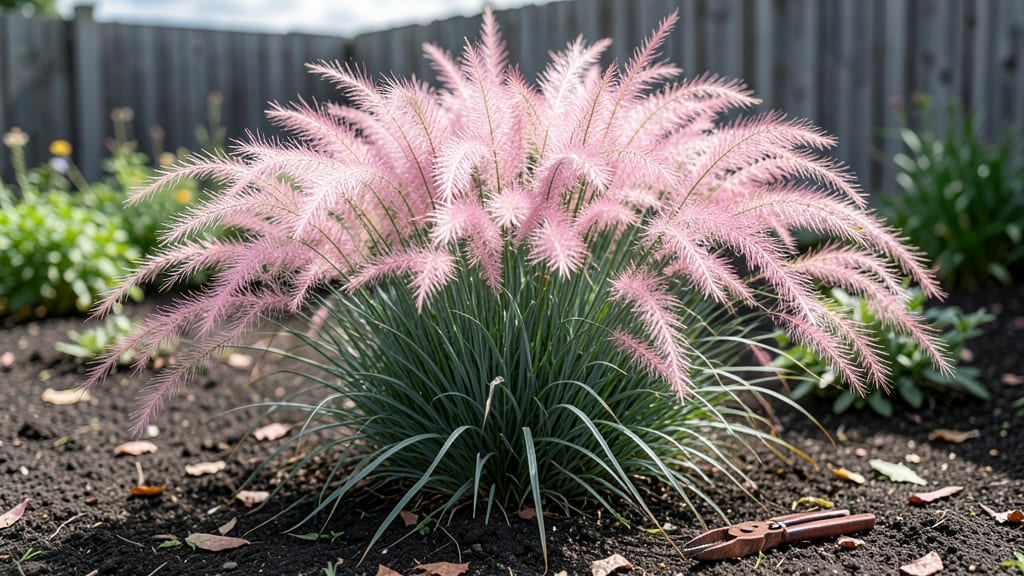
Pink muhly grass thrives in sun or shade with the right care, turning your garden into a soft, pink-hued dream 🌿 — but its fluffy fall display depends entirely on where you plant it.
Picture this: your neighbors’ yard bursts with vibrant pink plumes, while yours stays green and underwhelming. The difference? Light exposure. Too much sun can scorch its delicate blades, while too little shade dulls its signature blooms.
But here’s the good news: with a few simple adjustments, you can coax the most from your pink muhly grass, whether your yard is a blazing sun trap or a dappled-shade retreat.
This guide breaks down exactly how much sunlight pink muhly grass needs to flourish, how to tweak its care for partial shade, and the easiest ways to keep it looking lush year-round. No guesswork, just proven tips for a show-stopping display every autumn.
Ready to transform your garden? Let’s dive into the light-specific secrets that’ll have your pink muhly grass standing out—no matter where it’s planted.
 Best Window Placement
Optimal sunlight requirements for pink muhly grass growth and bloom
Pink muhly grass (Muhlenbergia capillaris) thrives in full sun but surprises many gardeners by adapting to partial shade. The key difference lies in plume production and color intensity—both directly tied to light exposure.
In ideal conditions, this ornamental grass produces vibrant pink plumes that last from late summer through fall, while shade reduces their showiness but doesn't prevent growth.
The ideal sunlight range for pink muhly grass is 6-8 hours of direct sun daily. This ensures robust stem development and dense foliage, setting the stage for those iconic fluffy pink blooms.
However, if your garden only offers 3-6 hours of sun, the grass will still grow—just expect slightly taller, less bushy plants with lighter-colored plumes.
Here’s how sunlight affects growth stages:
- Spring: Needs full sun to establish roots and spring foliage
- Summer: Tolerates partial shade but may bolt in extreme heat without afternoon shade
- Fall: Blooms best in full sun; shade delays or reduces plume intensity
If you’re unsure about your garden’s light conditions, observe the area for at least 24 hours—note when sunlight hits and how long it lingers. A south-facing spot is ideal, but even east or west exposures work well for this adaptable grass.
For maximum plume production, prioritize full sun in USDA Zones 5-9. If your yard only offers partial shade, choose a west-facing spot—this provides the gentle afternoon light that pink muhly grass tolerates better than east-facing areas.
Avoid deep shade under trees, as this leads to weak stems and poor blooming.
When planting, dig a hole twice as wide as the root ball to encourage spread. Amend the soil with compost to improve drainage, which is critical for preventing root rot—a common issue in shade where soil stays damp longer.
Mulch with gravel or pine straw to maintain dry roots while keeping the soil cool.
In hot climates, provide afternoon shade during peak summer months to prevent heat stress. Look for dappled shade from nearby trees or install a lightweight shade cloth (30-50% coverage) if needed. This balances light exposure while protecting delicate new growth.
Adjust your watering schedule based on sunlight: plants in full sun need deep watering weekly, while those in partial shade thrive on bi-weekly soaks. Overwatering in shade can lead to fungal diseases, so always check soil moisture 2 inches below the surface before watering.
For container gardening, use a pot with drainage holes and place it in full sun for the best results. Smaller containers dry out faster, so monitor soil moisture closely. If growing in shade, choose a larger pot (18+ inches wide) to accommodate the taller, leggier growth.
Remember, pink muhly grass is forgiving—even if you don’t get the perfect light conditions, it will still grow. The trade-off is reduced blooms, but the arching foliage adds texture to any garden. Experiment with different locations to find the best balance for your space! 🌿
Shade adaptations: how to grow pink muhly grass in low-light gardens
Pink muhly grass (Muhlenbergia capillaris) thrives in full sun, but with the right adjustments, it can still flourish in partial or even full shade. The key lies in understanding how to compensate for reduced sunlight through soil, water, and plant pairings.
I’ve grown this grass in my own woodland-edge garden with 6-8 hours of dappled shade, and here’s how to make it work for you.
While full sun produces the most dramatic pink plumes, shade-adapted plants will still grow—just expect slightly less vibrant blooms. The trade-off? A more lush, green foliage that complements shady landscapes beautifully.
Start by choosing the right location: eastern exposures or northern slopes with filtered light are ideal for maximizing growth without scorching.
- 🌱 Soil Enrichment: Amend clay-heavy soils with compost or sand (1:1 ratio) to improve drainage. Shade-loving plants like hostas or heucheras thrive in similar conditions, making them great companions.
- 💧 Watering Strategy: Increase watering to every 5-7 days in shade (vs. bi-weekly in sun). Use mulch (3-4 inches) to retain moisture and regulate soil temperature.
- 🪴 Companion Plants: Pair with low-growing ferns or Japanese forest grass (Hakonechloa macra) to create a layered, shade-tolerant border. Avoid tall competitors like black-eyed Susans.
- ✂️ Pruning Adjustments: Trim back brown foliage in early spring (not fall) to prevent fungal growth in damp shade. Never cut more than 1/3 of the plant at once.
- ☀️ Light Supplement: If possible, place near a south-facing wall or reflective surface (like gravel) to bounce extra light onto the plant. A 5-gallon container can also be moved seasonally.
For full-shade conditions (less than 3 hours of light), expect slower growth and fewer plumes. In my shady patio garden, I’ve seen pink muhly grass grow to 2 feet tall with minimal blooms—but the textural contrast it adds to shade gardens is worth it.
To boost performance, fertilize lightly with a 5-10-10 blend in early spring and avoid heavy nitrogen, which promotes leafy growth over flowers.
One of my favorite shade hacks? Plant pink muhly grass near evergreen shrubs like inkberry holly (Ilex glabra) or boxwood. The year-round structure of these plants frames the grass’s seasonal drama, while their dense foliage blocks harsh winds that can stress shade-adapted grasses.
Just ensure the holly doesn’t cast deep, dense shade—aim for open canopies that allow filtered light through.
If you’re planting in containers for shade**, choose a pot with drainage holes and a fast-draining mix (60% potting soil, 30% perlite, 10% compost). I’ve had success with 15-gallon glazed pots placed on elevated stands to improve air circulation.
Move containers to brighter spots in late summer to encourage fall blooming, even if they spend most of the year in shade.
Remember: patience is key with shade-grown pink muhly grass. It may take 2-3 years to reach its full 3-foot height in low light, but the textural beauty and fall interest make it a worthwhile addition to any shady corner.
Start small, experiment with companions, and don’t be afraid to get creative with light supplements—your shade garden will thank you! 🌿