
Orchid Care
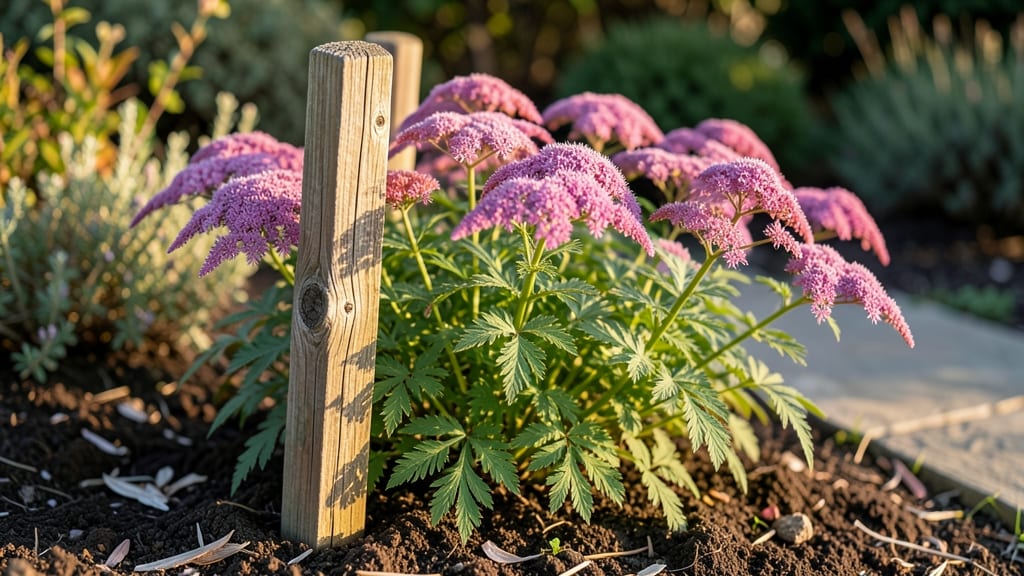
Growing astilbe in sun or shade depends entirely on the variety you choose — and picking the wrong one can mean flopping stems or faded blooms instead of the feathery plumes you dream of.
Picture this: your garden’s shady corner suddenly bursts into vibrant pink or deep purple plumes, while your sunnier beds stay stubbornly bare. The secret? Some astilbes crave shade, while others thrive in bright, indirect light—and knowing which is which makes all the difference.
In this guide, I’ll break down the sun-loving and shade-tolerant varieties of astilbe, how to spot the ideal conditions for each, and the simple adjustments that keep your plants lush and blooming from spring through summer.
You’ll also learn how to transition astilbes between light conditions without shocking them—and why leaf color changes are your best early warning system for stress.
 Best Window Placement
Sun-loving astilbe varieties for bold, long-lasting blooms
If you love the delicate plumes of astilbe but worry about them wilting in the sun, think again! While astilbes are famous for thriving in shade, some sun-tolerant varieties can handle partial to full sun with the right care.
These hardy cultivars deliver vibrant blooms and compact growth even in hotter climates. The key is choosing the right variety and providing consistent moisture to prevent stress.
Sun-loving astilbes often feature deeper colors like crimson or purple plumes, which stand out beautifully against green foliage. However, their success depends on your USDA hardiness zone—cooler zones (like Zones 3-6) handle sun better than hotter southern regions.
Let’s explore the top sun-adapted astilbe varieties and how to maximize their blooms in sunny spots.
⚠️ CRITICAL CARE TIP: Never plant sun-loving astilbes in hot afternoon sun without afternoon shade. Instead, opt for morning sun with afternoon shade or dappled sunlight under trees. Mulching with 2-3 inches of organic mulch helps retain moisture and keeps roots cool.
For full-sun conditions, 'Fanal' is my top pick—its deep red plumes thrive in Zones 5-8 with proper watering. However, in hotter zones (9+), even this variety needs afternoon shade to prevent leaf scorch.
If you’re in a cooler zone (3-6), 'Deutschland' handles sun beautifully and blooms prolifically.
To keep sun-loving astilbes compact and healthy, focus on soil moisture. These varieties hate drying out, so I recommend installing a drip irrigation system or watering deeply 2-3 times per week during dry spells.
A 2-inch layer of mulch (like shredded bark) locks in moisture and regulates soil temperature, which is critical in hot climates.
Pruning is another game-changer for sun astilbes. After the first frost, cut back dead foliage to 6 inches tall to encourage next year’s blooms. Avoid heavy pruning in late summer, as this can reduce flower production.
In Zones 7-9, I also recommend lightly fertilizing in early spring with a balanced 10-10-10 fertilizer to support vigorous growth.
One common mistake is assuming all astilbes love sun. 'Glut Game', for example, tolerates partial sun but struggles in full, hot sun. If your garden has intense afternoon sun, pair sun astilbes with tall grasses or deciduous shrubs to provide natural shade.
This creates a microclimate that keeps roots cooler while still allowing morning sunlight for
Best shade-tolerant astilbes that flourish in low-light gardens
If your garden is tucked under towering trees or shaded by a building, don’t despair—astilbes thrive in low-light conditions. These feathery plumes love dappled shade to full shade, making them perfect for woodlands, patios, or foundation plantings.
The key is choosing the right shade-tolerant varieties and creating the ideal microclimate to keep them blooming all season.
Shade-loving astilbes reward gardeners with vibrant foliage and delicate blooms that last from early summer to fall. Their fern-like leaves add texture, while their pink, white, or purple plumes bring color to dim corners.
With the right care, these plants can outshine even sun-starved spots. Let’s explore the best shade-tolerant astilbe varieties and how to maximize their potential.
Top Shade-Tolerant Astilbe Varieties
- Astilbe 'Fanal' – Deep purple plumes with dark green foliage, thrives in full to partial shade. Ideal for woodland gardens.
- Astilbe 'Deutschland' – Creamy white blooms with lacy texture, perfect for foundation plantings under trees.
- Astilbe 'Bridal Veil' – Soft pink plumes that contrast beautifully with hostas or ferns. Loves moist, shady spots.
- Astilbe 'Glut' – Bright red blooms that pop against dark foliage. Tolerates deep shade but needs consistent moisture.
- Astilbe 'Amethyst' – Lavender plumes with silvery-blue undertones, ideal for containers or borders in low-light areas.
To create the perfect microclimate for shade astilbes, focus on moist, well-draining soil and morning sunlight. Mulch with organic matter like shredded bark to retain moisture and regulate soil temperature. Avoid compacted soil, as astilbes hate soggy roots but need consistent water.
Pair your astilbes with companion plants that thrive in similar conditions. Hostas, ferns, and heucheras make excellent neighbors, adding texture and color while keeping the area lush. For extended blooms, deadhead spent plumes in early fall to encourage a second flush of flowers in cooler climates.
Remember, shade astilbes still need some light—even dappled sunlight improves bloom production. If your garden is deep shade, consider adding a reflective surface like a light-colored wall or mulch to bounce extra light onto the plants.
With these tips, your shade garden will burst with color all season long! 🌿