
Plants
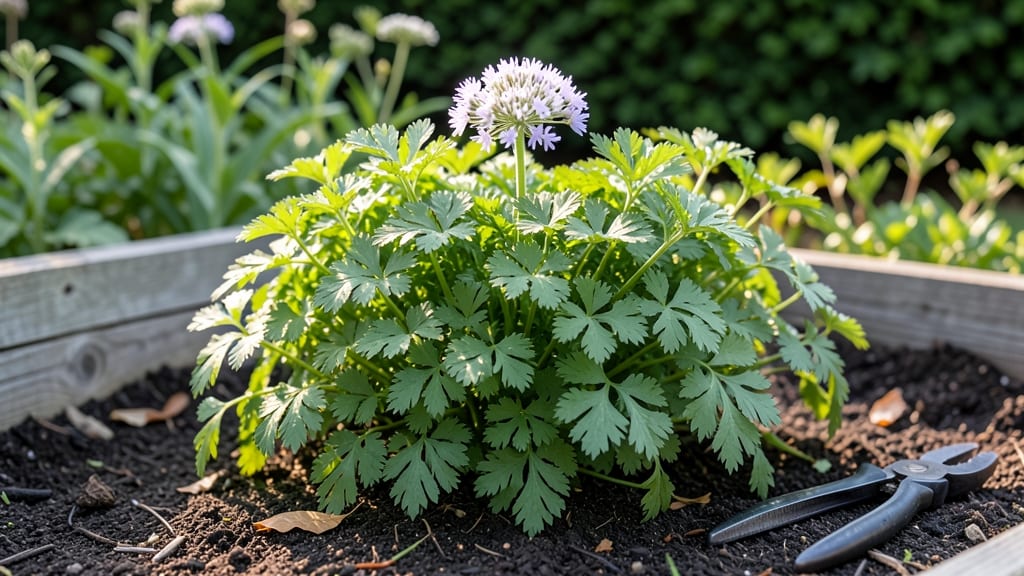
Does cilantro like the sun or shade? It thrives with partial shade—about 4 to 6 hours of sunlight daily—but too much heat can turn those fresh leaves bitter or send it bolting before you even harvest.
Picture this: you’ve nurtured your cilantro for weeks, only to taste a mouthful of soapy disappointment. That’s often the sign it’s gotten too much sun, especially in hotter climates where afternoon heat becomes the enemy.
In cooler zones like 6a, morning sun paired with afternoon shade keeps cilantro happy, while containers can be moved to avoid harsh rays. The key? Balance—too little light stunts growth, but too much turns your herb into a science experiment.
Below, I’ll break down the perfect light setup, how to spot problems early, and simple fixes to keep your cilantro thriving all season long—no guesswork required.
 Best Window Placement
Ideal sunlight requirements for cilantro growth and flavor
Cilantro thrives in partial sunlight, making it a perfect herb for gardeners who love fresh flavors without the fuss of full-sun plants. Unlike sun-hungry tomatoes or peppers, cilantro's delicate leaves and flavorful stems actually suffer when exposed to too much direct sunlight.
This is why many gardeners struggle with bitter-tasting cilantro—they're often giving it more sun than it can handle!
The key to growing cilantro lies in understanding its photosynthesis efficiency. While it needs light to produce energy, cilantro's leaves are designed to maximize growth in moderate light conditions.
Too much sun triggers a defense mechanism that converts its natural oils into compounds that taste bitter—a common frustration for home gardeners. Let's break down exactly how much light cilantro needs to stay sweet and productive.
| Light Condition | Daily Sunlight Hours | Flavor Impact | Growth Impact | Best For |
|---|---|---|---|---|
| Partial Sun (Ideal) | 4-6 hours | Sweet, fresh flavor | Lush, dense leaves | Most climates, containers |
| Morning Sun Only | 2-4 hours (AM) | Sweet, mild taste | Slower growth, smaller plants | Hot climates, containers |
| Full Shade | 0-2 hours | Mild, less intense | Leggy, sparse growth | Indoor growing, deep shade |
| Full Sun (Avoid) | 6+ hours | Bitter, soapy taste | Premature bolting | Desert climates, open fields |
For most gardeners, 4-6 hours of morning sunlight is the sweet spot for cilantro. This range allows the plant to perform photosynthesis efficiently while avoiding the midday heat that triggers bolting—the process where cilantro sends up a flower stalk, turning its leaves bitter and tough.
In my own garden, I've found that positioning cilantro near a west-facing window or under dappled shade from taller plants yields the best results.
If you're growing cilantro in hot climates, even partial sun can be too intense. The high temperatures combined with direct sunlight create a double threat: heat stress and excessive light exposure. In these cases, morning sun only (before 10 AM) is ideal.
I've successfully grown cilantro in my Arizona garden by placing it under a 50% shade cloth during peak afternoon hours, which prevents bolting and maintains that fresh, bright flavor.
Cilantro's flavor compounds, particularly linalool and aldehydes, are most concentrated when the plant receives moderate light. Studies show that partial sunlight enhances these compounds, making your cilantro taste sweeter and more aromatic.
When I compare my homegrown cilantro (grown with 5 hours of morning sun) to store-bought, the difference in flavor is night and day—the homegrown version is vibrant and fresh, while the store-bought often tastes dull and bitter.
One common mistake is assuming that more sun equals better growth. However, cilantro is a cool-season crop that actually prefers the gentler light conditions of spring and fall. In summer, even partial sun can feel like full sun to cilantro, leading to premature bolting.
To prevent this, I recommend using reflective surfaces, like white mulch or a light-colored container, to bounce extra light away from the plant while still providing enough illumination for healthy growth.
For container gardeners, positioning is everything. A north-facing balcony or a spot under a tree canopy with filtered light works beautifully. If you're using containers, ensure they're large enough (at least 6 inches deep) to accommodate the cilantro's roots while providing stability against wind, which can further stress the plant.
I've had great success with cilantro in clay pots placed on a drip irrigation system, keeping the soil consistently moist without overwatering.
In regions with long summer days, cilantro may need extra protection. I've found that creating a DIY shade structure using a lightweight fabric or even a piece of window screen can make a huge difference. This allows air to circulate while filtering out the harshest rays.
Another trick is to interplant cilantro with taller, sun-loving plants like tomatoes or peppers, which naturally provide shade during the hottest part of the day.
Remember, cilantro's light needs change as it matures. Young seedlings benefit from gentle, indirect light to prevent legginess, while established plants can handle slightly more sunlight. Always monitor your cilantro's leaves for signs of stress—yellowing or curling indicates too much sun, while pale, sparse growth suggests it needs more
Signs your cilantro isn’t getting the right light (and how to fix it)
If your cilantro leaves are turning yellow or developing a bitter taste, sunlight might be the culprit. Cilantro thrives in partial shade, but too much sun or too little can both cause problems. Let’s diagnose the issue and fix it before your plants bolt or lose flavor.
First, check your cilantro’s location. If it’s in a hot, sunny spot with more than 6 hours of direct sun, the heat can trigger premature bolting—the plant’s way of flowering and going to seed.
This makes leaves bitter and tough. Conversely, if it’s in deep shade, growth slows, and leaves may become sparse and pale.
⚠️ Does Cilantro Like Sun or Shade?
Too much sun = bolting + bitter leaves (heat stress).
Too little sun = leggy growth + weak flavor (poor photosynthesis).
Sweet spot: 4-6 hours of morning/evening sun (east/west-facing spots).
Start by observing your cilantro’s leaf color. Healthy leaves should be bright green. If they’re yellowing at the edges, it could signal overwatering or root stress from too much sun. For yellowing between veins, check for nutrient deficiencies (often linked to poor light absorption).
Next, inspect the stems. If they’re stretching tall and thin, your cilantro is reaching for light—a sign of insufficient sunlight. To fix this, move your plants to a brighter spot but avoid harsh afternoon sun.
For container gardeners, rotate pots weekly to ensure even light exposure.
For hot climates, use shade cloth (30-50%) to filter direct sun while maintaining airflow. If your cilantro is already bolting, cut back the flowering stems to encourage new leaf growth. In cooler areas, extend sunlight with a grow light for 4-6 hours daily if natural light is limited.
Pro tip: Harvest leaves frequently to encourage bushier growth. This also prevents the plant from focusing energy on flowering. Pair your cilantro with taller plants (like tomatoes) to provide natural shade during peak sun hours.