
Plants
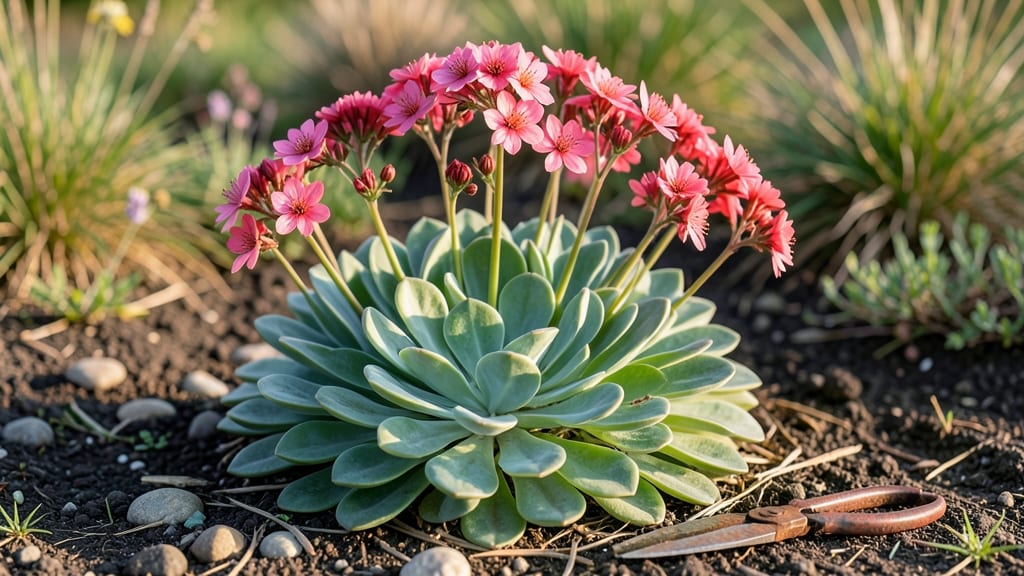
Wondering do sedums like sun or shade, you’ll be relieved to know they thrive in both, earning their reputation as one of the garden’s most adaptable plants 🌵.
Struggling to keep your sedums healthy? The battle between sun and shade might be the key factor holding back their vibrant growth.
These hardy succulents love full sun—up to six hours a day—but many varieties can handle partial shade, especially in hotter climates. The trick is finding that sweet spot where they stay lush without turning leggy or bleached.
Below, I’ll break down the ideal light conditions for different sedum types, how to spot signs of too much or too little sun, and care tips to keep them flourishing year-round.
 Best Window Placement
Ideal sunlight requirements for sedums: full sun vs partial shade explained
Sedums—those hardy, drought-loving succulents—thrive in full sun, but their adaptability makes them surprisingly versatile. While most varieties crave 6+ hours of direct sunlight daily, some tolerate partial shade, especially in hotter climates.
The key lies in understanding how sunlight affects their growth patterns, color intensity, and drought tolerance. Let’s break down what your sedums truly need to flourish.
In full sun, sedums develop their signature vibrant colors and compact growth, thanks to their natural ability to store water. However, too much intense sun—especially in desert climates—can scorch their leaves.
Meanwhile, partial shade (3-6 hours of sun) softens their appearance, often resulting in longer, leggier stems and muted hues. The right balance depends on your USDA zone and local climate conditions.
Here’s the science behind their adaptability: Sedums use a process called Crassulacean Acid Metabolism (CAM), which allows them to open their stomata at night to minimize water loss.
This makes them uniquely suited to sunny, dry conditions, but they can still handle lighter shade—just with some trade-offs in appearance and vigor.
Regional differences play a huge role. In coastal areas with mild summers, sedums often do well in partial shade to prevent overheating. Conversely, in hot, inland zones, they may need afternoon shade to avoid sunburn. Let’s compare how different light conditions affect their growth and care needs.
For full sun lovers like Sedum spectabile or Sedum ‘Autumn Joy’, prioritize well-draining soil and minimal watering. These varieties reward you with bold foliage and prolonged blooms in late summer.
In my own garden, I’ve seen ‘Autumn Joy’ turn from deep pink to fiery red when basking in 6+ hours of sun—a sight worth the effort!
If you’re in a shadier spot, opt for varieties like Sedum morganianum (donkey tail) or Sedum acre, which handle partial shade better. Just be prepared for slower growth and less vibrant colors.
In my experience, these sedums still thrive but may need occasional fertilizer to compensate for lower light levels.
Pro tip: Morning sun is gentler than afternoon sun, especially in desert climates. If your sedums are in a south-facing bed, consider adding dappled shade with nearby trees or a lightweight shade cloth during peak hours.
This trick has saved my Sedum ‘Dragon’s Blood’ from scorching in the Arizona heat.
Regional adjustments matter. In coastal climates like the Pacific Northwest, sedums often thrive in partial shade to avoid windburn. Meanwhile, in arid regions, they’ll stretch toward any available light. Pay attention to how your local microclimate affects their performance—your observations will guide the best placement.
Remember, sedums are forgiving plants. Even if you misjudge their light needs at first, they’ll often bounce back with minimal intervention. Start by placing them in a bright
Signs your sedums aren’t getting the right light: how to fix common issues
Your sedums might be silently screaming for help if they're not in the perfect light spot. Too much sun can scorch their leaves, while too little light makes them stretch and lose color.
I’ve seen sedums thrive in both sunny and shady spots, but only when given the right care adjustments.
First, check your sedum’s leaf color. Healthy sedum leaves should be deep green, blue-gray, or their natural variety shade. If they’re turning bleached white or brown at the edges, it’s a clear sign of sunburn from too much direct sunlight.
On the flip side, pale, stretched-out leaves mean they’re reaching for light and not getting enough.
🌵
⚠️ Light Warning for Sedums
Sedums love full sun (6+ hours daily) but can handle partial shade—just not deep shade. Here’s the quick fix:
- 🔥 Sunburned leaves? Move to dappled shade or prune damaged parts.
- 🌿 Leggy, pale growth? Relocate to brighter light or supplement with a grow light.
- 💧 Adjust watering: Sunny spots = water less often; shady spots = water more carefully.
If your sedum is showing crispy edges or white patches, it’s likely getting too much afternoon sun. Try moving it to a spot with morning sun only or providing afternoon shade with a sheer curtain or nearby plants.
For sedums in containers, rotate the pot every few weeks to ensure even light exposure.
On the other hand, if your sedum looks stretched and weak with long, thin stems, it’s etiolating—a term for plants reaching for light. This often happens in north-facing windows or under dense tree canopies.
Try placing it near a south-facing window or supplement with a grow light for 4-6 hours daily.
Don’t forget to prune leggy sedums to encourage bushier growth. Cut back the overly elongated stems by one-third to prompt new, compact growth. This works wonders for sedum varieties like 'Autumn Joy', which can get top-heavy in low light.
For shade-loving sedum varieties like Sedum morganianum (burro’s tail), focus on bright, indirect light rather than deep shade. These varieties still need at least 4 hours of light daily to stay vibrant. If you’re unsure, start with a temporary spot and monitor their response over a few weeks.