
Plants
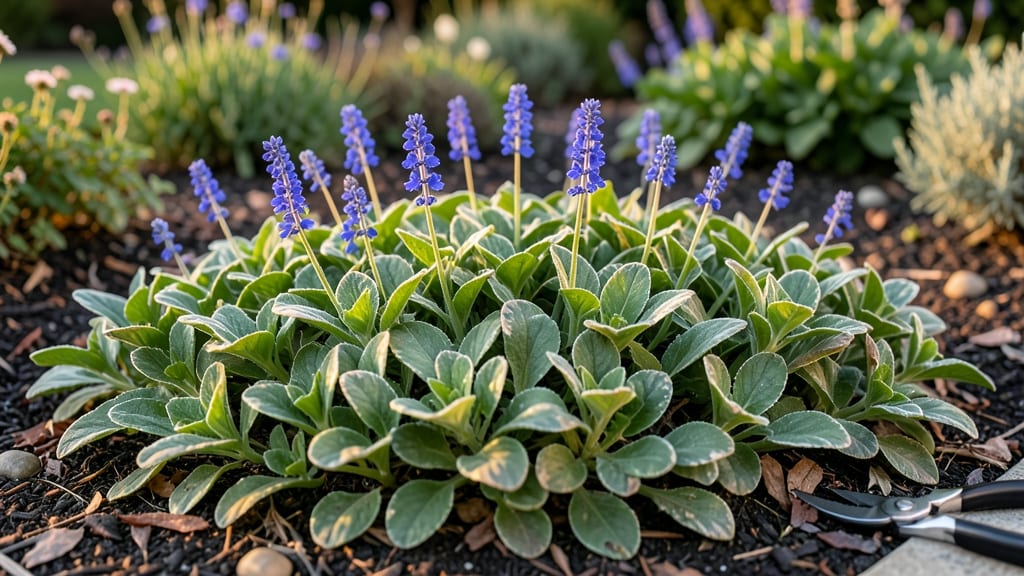
Does ajuga like sun or shade—well, it prefers the latter, spreading fast in partial shade where it gets just enough sunlight to thrive without scorching. 🌿
Picture this: your garden’s shady corners suddenly bursting with vibrant foliage, while the sunniest spots leave Ajuga wilting or turning crispy. That’s the difference between ideal light and a plant that struggles to survive.
This hardy ground cover tolerates some sun, but too much can bleach its leaves or stunt its growth. In cooler climates, it handles morning sun; in hotter zones, even dappled shade keeps it lush.
Below, I’ll break down the exact light balance Ajuga craves, plus practical tips to position it for success in your garden or containers.
Whether you’re dealing with a shady yard or a bright patio, you’ll learn how to create the perfect spot for Ajuga to spread effortlessly—without the guesswork.
 Best Window Placement
Ajuga sun vs shade requirements: finding the ideal light balance
Ajuga thrives in partial shade, making it perfect for under trees or along north-facing walls where sunlight is gentle. While it tolerates some sun, direct afternoon rays can scorch its leaves, especially in hotter climates like USDA Zones 7-9.
Understanding its light preferences helps prevent common issues like yellowing foliage or stunted growth.
In cooler regions like Zones 3-6, ajuga handles morning sun beautifully, while in southern climates, it’s best kept in filtered light. The key is balancing brightness without heat stress—think dappled shade from deciduous trees or a 50% shade cloth during peak summer hours.
🌿 Comparison Table: Ajuga Light Requirements
| Light Condition | Daily Sunlight | Ideal Climate Zones | Growth Impact | Signs of Stress |
|---|---|---|---|---|
| Partial Shade | 2-4 hours | Zones 3-9 | Vibrant foliage, steady spread | Leggy growth, pale leaves |
| Morning Sun | 3-5 hours (AM only) | Zones 4-7 | Healthy blooms, dense coverage | Brown leaf edges |
| Full Shade | 0-2 hours | Zones 5-8 (north-facing) | Slow growth, muted colors | Yellowing leaves, sparse spread |
| Full Sun | 6+ hours | Zones 3-5 (cool climates) | Scorched leaves, weak stems | Crispy brown patches |
Ajuga’s foliage color shifts dramatically with light—deep purple varieties like ‘Chocolate Chip’ darken in shade, while green-leaved types stay vibrant in partial sun. If your ajuga develops yellow patches, it’s likely getting too much sun, while brown tips suggest dry conditions under intense light.
In hot summer months, I recommend moving containers to shadier spots or adding a mulch layer to retain moisture. For in-ground plants, prune back overly leggy stems to encourage bushier growth in lower light. This simple adjustment keeps ajuga compact and lush year-round.
Regional microclimates play a huge role—ajuga in Pacific Northwest gardens handles full shade better than in Arizona’s desert heat. Test your spot by observing how ajuga behaves for 3-4 weeks after planting. If leaves look crispy or bleached, it’s time to relocate.
For container gardening, place ajuga near east-facing windows where it gets gentle morning light. Avoid south-facing spots unless you’re in a cooler zone (like Zone 4). Containers dry out faster in sun, so water twice weekly during summer to prevent stress.
Seasonal adjustments are key: in spring and fall, ajuga can handle more sunlight as temperatures moderate. But by mid-summer, even partial shade becomes ideal. Watch for blue flowers—they’re a sign your ajuga is happy with its light balance!
If your ajuga starts looking leggy or sparse, it’s begging for more light. Trim back overly long stems and move it to a sunnier spot gradually.
Conversely, if leaves curl or scorch, it’s time for more shade. These adjustments keep ajuga thriving for decades with minimal effort.
Pro tip: Pair ajuga with hostas or ferns for natural shade in sunny borders. This companion planting strategy creates a self-regulating microclimate that benefits both plants. The best part? Ajuga’s spreading habit fills gaps beautifully while keeping weeds at bay.
Remember, ajuga’s light needs are flexible—it’s all about finding that sweet spot between too much sun and too little light. With these adjustments, your ajuga will reward you with vibrant foliage and low-maintenance coverage year after year. 🌱
Best ajuga varieties for sun-tolerant or shady gardens
Ajuga thrives in partial shade but offers stunning varieties that adapt to both sun and shade. The key is selecting the right cultivar for your garden’s light conditions. Ajuga reptans and its hybrids dominate the market, but Ajuga genevensis stands out for its sun tolerance.
Let’s explore the best options for your space.
Most ajuga varieties prefer 3-6 hours of morning sun with afternoon shade, especially in hot climates. However, some cultivars handle full sun better than others. For example, ‘Catlin’s Giant’ and ‘Multicolor’ tolerate more sunlight, while ‘Chocolate Chip’ thrives in deeper shade. Understanding these differences ensures vibrant foliage year-round.
For sun-tolerant gardens, Ajuga genevensis and ‘Catlin’s Giant’ are top choices. These varieties handle 4-6 hours of sunlight without scorching, making them ideal for south-facing borders or container gardens. Their foliage remains vibrant even in hotter microclimates, though consistent moisture is key.
If your garden leans toward shade, opt for ‘Chocolate Chip’ or ‘Burgundy Glow’. These cultivars thrive under tree canopies or woodland gardens, where they spread lushly without leggy growth. Their rich colors contrast beautifully with ferns and hostas, adding depth to shady spots.
Hybrid options like ‘Multicolor’ bridge the gap for borderline light conditions. This variety adapts to 3-5 hours of sun, making it versatile for east-facing beds or partial shade gardens. Its variegated foliage adds visual interest while reducing the risk of sunburn or shade stress.
Always check your USDA hardiness zone—most ajuga varieties thrive in zones 3-9. In colder regions, mulch heavily to protect roots, while hotter climates benefit from afternoon shade. With the right variety, ajuga delivers year-round color with minimal effort.