
Plants
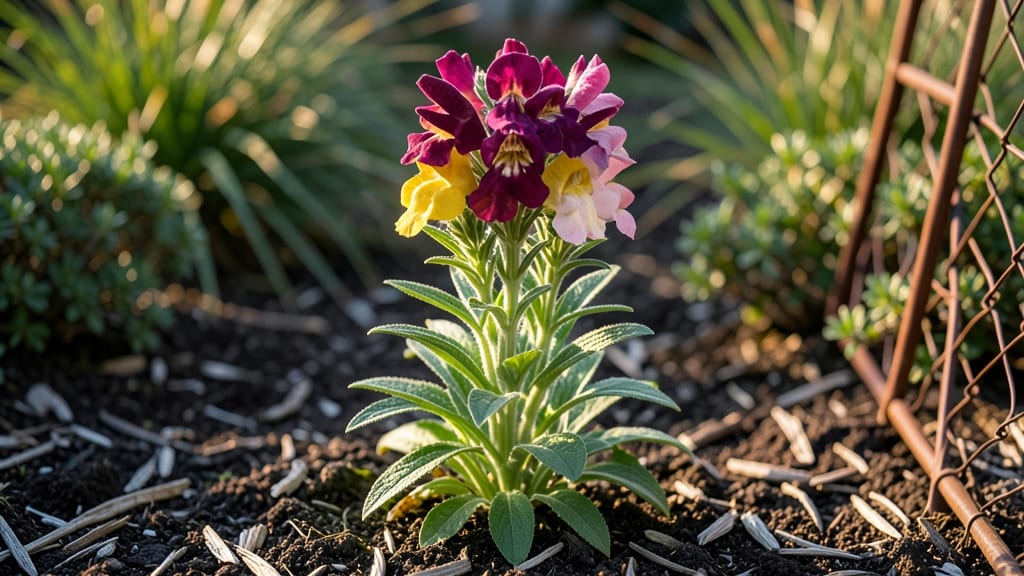
Snapdragons like partial sun—about 4 to 6 hours of morning light paired with afternoon shade is the sweet spot for those vibrant blooms you love. 🌸
If you’ve ever wondered why your snapdragons bloom for weeks—or barely at all—light exposure might be the secret. These vibrant flowers thrive in conditions most gardeners overlook, and getting it right could double your blooming season!
Too much scorching afternoon sun? Your snapdragons will wilt faster than a wilting salad. Too little light, and you’ll get leggy stems and sparse flowers. The good news? With a few simple adjustments, you can keep your snapdragons happy whether you’re in a hot climate or a cooler zone.
Below, I’ll break down the ideal light balance, how to adjust for your garden, and what to watch for when your snapdragons aren’t getting it just right. Let’s make sure your snapdragons stay as cheerful as they look!
 Best Window Placement
Snapdragon light requirements: the science behind partial sun success
Snapdragons (Antirrhinum) are finicky about light—too much sun scorches their delicate blooms, while too little shade stretches their stems into leggy shadows. The sweet spot lies in 4-6 hours of morning sun paired with afternoon shade, a balance that maximizes blooms without stressing the plant.
This partial sun strategy isn’t just guesswork; it’s rooted in how snapdragons evolved to thrive in mediterranean climates with bright but filtered sunlight.
Think of snapdragons as sunbathing teens—they crave light but burn easily in peak afternoon rays. In my Zone 6a garden, I’ve found that positioning them east-facing or under dappled shade from trees yields the most vibrant blooms.
The key is mimicking their natural habitat where they’d grow under open canopies rather than in harsh desert conditions.
Too much direct sun causes snapdragons to wilt by noon, their leaves curling like parchment. I’ve seen firsthand how 6+ hours of full sun in hot climates (like Zone 8+) turns their petals crispy by midday. Even worse, excessive light triggers premature bolting, where the plant focuses all energy on seed production instead of blooming. This is why afternoon shade becomes non-negotiable in southern gardens.
On the opposite end, deep shade (less than 3 hours of light) turns snapdragons into tall, spindly shadows with sparse flowers. I once planted them under a dense pine tree, and they grew 3 feet tall with barely 10 blooms—all because they stretched toward any available light.
The result? A floppy, weak plant that flopped over like a drunk ballerina.
| Light Condition | Sun Hours/Day | Growth Impact | Bloom Quality | Best For |
|---|---|---|---|---|
| Full Sun | 6+ hours | Leggy, weak stems | Few, small blooms | Cool climates only |
| Partial Sun | 4-6 hours | Compact, bushy | Abundant, large blooms | Ideal for most gardens |
| Partial Shade | 3-4 hours | Tall, stretched stems | Sparse blooms | North-facing beds |
| Deep Shade | <3 hours | Floppy, weak growth | Almost no blooms | Avoid entirely |
The science behind snapdragons’ light love affair lies in their photosynthesis efficiency. They’ve evolved to use blue and red light wavelengths most effectively—exactly what morning sun provides. Afternoon sun, however, delivers too much infrared radiation, which overheats their cells and triggers oxidative stress.
That’s why I always move my potted snapdragons to a shadier spot by 11 AM in summer.
Regional adjustments are crucial. In cooler climates (Zones 3-5), snapdragons can handle full morning sun all day because afternoon temps rarely exceed 75°F. But in hot desert zones (Zones 9-11), even 3 hours of direct sun can be too much.
My friend in Arizona grows hers under 50% shade cloth and still gets prolonged blooming—proof that flexibility is key.
Pro tip: Use reflective surfaces like white gravel or light-colored mulch to bounce extra light onto shaded snapdragons. I place my white pebble pathways near north-facing beds to give them a 2-hour light boost without direct exposure. This trick has doubled my bloom count in shadier corners of the garden.
For container growers, rotate pots weekly to ensure even light exposure. Snapdragons in pots won’t lean if you give them 360-degree light access. I swear by this method—my balcony snapdragons stay compact and bushy all season long. Just avoid placing them on south-facing balconies without afternoon shade.
Remember: Snapdragons are drama queens about light. Give them just enough sun to fuel their blooms but protect them from scorching, and they’ll reward you with months of vibrant color. The secret?
How to adjust light for snapdragons in different gardens
Adjusting light for snapdragons depends entirely on where you grow them—whether in containers on a patio, raised beds in your yard, or ground-planted garden beds. Each setup requires a slightly different approach to mimic their ideal 4-6 hours of sunlight while protecting them from harsh afternoon rays.
Let’s break down how to optimize light exposure for each scenario.
For container-grown snapdragons, mobility is your best friend. Place pots near a south-facing window indoors or move them to dappled shade outdoors during peak summer heat. In raised beds, position them slightly away from the bed’s center to avoid overheating.
Ground planting offers the most flexibility—just ensure they’re not overshadowed by taller perennials or trees.
- 🌱 Containers: Rotate pots weekly to ensure even light exposure on all sides. Use reflective surfaces (like white pebbles) to bounce extra light onto leaves.
- 🪴 Raised Beds: Plant snapdragons on the north or east side of the bed to avoid competition for light. Use light-colored mulch to reflect sunlight onto stems.
- 🌳 Ground Planting: Pair with low-growing companions like thyme or creeping phlox to filter harsh light naturally. Avoid planting under dense tree canopies that block dappled shade.
- ☀️ Seasonal Adjustments: In summer, provide afternoon shade with a lightweight shade cloth (30-50% coverage). In winter, maximize light by removing nearby obstructions like dead foliage.
Seasonal light adjustments are critical. During summer months, snapdragons can suffer from heat stress if exposed to full sun all day. Use dappled shade techniques, such as placing them under a sheer curtain or near lattice structures that filter light.
In winter, when sunlight is scarce, move containers closer to windows or supplement with a grow light for 4-6 hours daily.
Companion planting is another clever trick to manage light naturally. Tall plants like sunflowers or hollyhocks can block harsh afternoon sun, while low-growing herbs like basil or oregano won’t compete for light.
This creates a microclimate that keeps snapdragons thriving without extra effort. Just avoid planting near aggressive spreaders like mint, which can crowd out your flowers.
If you notice leggy stems or sparse blooms, it’s a sign they need more light. Try relocating them to a sunnier spot or pruning leggy growth to encourage bushier, more compact plants.
Conversely, yellowing leaves or wilted blooms indicate too much direct sun—move them to a shadier spot immediately. With these adjustments, your snapdragons will reward you with vibrant blooms all season long!