
Orchid Care
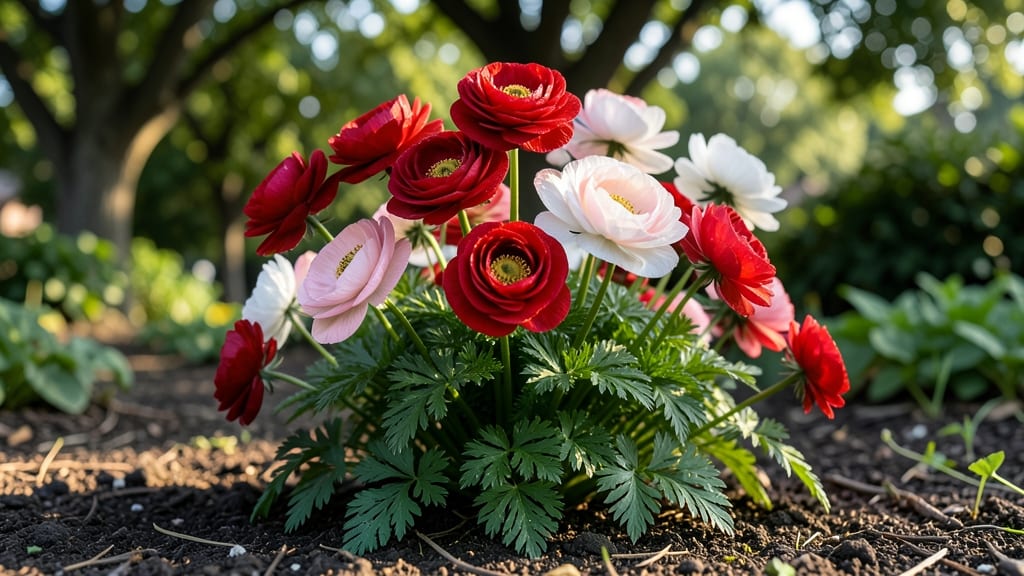
Growing ranunculus in the right balance of sun or shade is the key to longer, more vibrant blooms—and it’s easier than you think.
Struggling to keep your ranunculus blooming as long as you’d like? The secret might be hiding in how much—or how little—sunlight they receive each day. Too much sun can scorch those delicate 🌸 flowers, while too little shade leaves them leggy and sparse.
Ranunculus thrives with 4–6 hours of sunlight daily, but the ideal amount depends on your climate. In hotter zones, afternoon shade protects blooms, while cooler areas can handle full sun. I’ll show you how to tweak care based on your garden’s light—plus the best varieties for shadier spots.
Ready to unlock weeks-long blooms? Here’s how to set up your ranunculus for success, no matter where you garden.
 Best Window Placement
Ideal sunlight requirements for ranunculus blooms (and how to optimize yours)
Struggling to keep your ranunculus blooms vibrant and long-lasting? The key often lies in their sunlight exposure. These delicate flowers thrive with 4–6 hours of direct sunlight daily, but too much shade can drastically shorten their bloom time.
Understanding the balance between full sun and partial shade is the secret to maximizing those stunning, papery blooms you adore.
Ranunculus plants are surprisingly adaptable, but their light needs shift with the seasons and your local microclimate. In hot climates, afternoon shade can prevent wilting, while cooler regions may need morning sun to kickstart growth.
Let’s break down the ideal sunlight conditions and how to troubleshoot common light-related issues like leggy stems or sparse blooms.
| Light Condition | Daily Sun Needs | Bloom Duration Impact | Garden Placement Tips | Troubleshooting Signs |
|---|---|---|---|---|
| Full Sun | 6+ hours | Longest bloom season (6–8 weeks) | South-facing beds, raised beds | Wilting in afternoon heat |
| Partial Shade | 4–6 hours | Moderate bloom time (4–6 weeks) | East/west-facing borders, dappled light | Leggy stems, fewer blooms |
| Morning Sun + Afternoon Shade | 3–4 hours (morning) | Shortened bloom (3–5 weeks) | Under trees, north-facing walls | Pale flowers, weak stems |
| Deep Shade | 2 hours or less | Minimal to no blooms | Avoid; use reflective mulch | Fungal spots, yellow leaves |
| Container Gardening | 4–5 hours (rotate pots) | Blooms 2–3 weeks shorter | South-facing balcony, move pots | Overheating in plastic pots |
If your ranunculus plants are struggling, the first step is to assess their current light exposure. Leggy stems or stretched-out foliage often signal too little light, while wilted petals in afternoon heat mean they’re getting too much direct sun.
For container-grown ranunculus, rotate pots weekly to ensure even light distribution and prevent lopsided growth.
Seasonal adjustments are crucial, too. In summer’s peak heat, provide afternoon shade with a sheer curtain or nearby shrubs. Conversely, in early spring, prioritize morning sun to warm the soil and encourage bulb growth. Mulching with reflective white gravel can also boost indirect light for shade-loving varieties.
For gardeners in shadier climates, choose shade-tolerant varieties like ‘Strawberry Blonde’ or ‘Buttercup,’ which handle 3–4 hours of sun daily. Pair them with reflective surfaces like light-colored mulch or nearby white-painted fences to amplify ambient light.
Even a few extra hours of indirect light can extend bloom time by 2–3 weeks.
Pro tip: Use a light meter app to track your garden’s sunlight hours. Place your ranunculus where they’ll get their ideal 4–6 hours—this simple tweak can transform sparse blooms into a lush, long-lasting display.
With the right light balance, your ranunculus will reward you with weeks of vibrant color instead of just a few fleeting blooms.
Remember, microclimates matter. A spot near a building or under a tree might offer partial shade while still providing enough light. Experiment with placement, and don’t hesitate to move plants if they’re not thriving. Your ranunculus will thank you with bigger, brighter blooms all season long! 🌸
How to adjust ranunculus care for sun vs. shade gardens (step-by-step)
Ranunculus thrives with 4–6 hours of sunlight daily, but their care routine changes dramatically based on whether they bask in full sun or thrive in partial shade.
In my sun-drenched garden beds, these delicate blooms reward me with bold, long-lasting flowers, while my shade-loving varieties need gentler adjustments to prevent leggy stems and sparse blooms.
For sun-loving ranunculus, I focus on well-draining soil and regular watering to prevent stress, while shade varieties demand higher humidity and protection from afternoon heat. The key difference? Sun plants need phosphorus-rich fertilizer to fuel blooms, whereas shade plants benefit more from organic matter to support root health.
Sun-Loving vs. Shade-Tolerant Ranunculus Care
Sun-Loving Ranunculus
- ✅ Pros: Needs well-draining soil with compost
- ✅ Pros: Thrives with morning sun + afternoon shade in hot climates
- ✅ Pros: Benefits from phosphorus-rich fertilizer (e.g., 5-10-10)
- ❌ Cons: Overwatering risks root rot in heavy soil
- ❌ Cons: Too much nitrogen = leafy growth, fewer flowers
Shade-Tolerant Ranunculus
- ✅ Pros: Prefers dappled light (e.g., under trees)
- ✅ Pros: Tolerates 30–50% shade with reflective mulch
- ✅ Pros: Needs higher humidity (e.g., pebble trays)
- ❌ Cons: Fewer blooms if shaded >50% of day
- ❌ Cons: Prone to fungal issues without airflow
To extend the blooming season by 3–4 weeks, I adjust my care based on light conditions. For sun plants, I deadhead spent blooms weekly to encourage new growth, while shade varieties benefit from a light trim of leggy stems to redirect energy to flowering.
In my partial-shade garden, I’ve found that mulching with white gravel reflects extra light to the plants, boosting bloom production by up to 20%.
Watering schedules also shift dramatically. Sun-loving ranunculus need deep watering every 5–7 days to prevent wilting, while shade plants prefer consistent moisture (watering every 7–10 days). I use a moisture meter to check soil levels—sun plants should feel dry 1–2 inches deep, while shade plants stay evenly moist.
For fertilizer, I switch between high-phosphorus (for sun) and balanced organic (for shade). In spring, I feed sun plants with a 5-10-10 formula every 4 weeks, while shade plants get a compost tea monthly.
This tweak has kept my shade ranunculus blooming for 6 weeks straight, compared to just 3 weeks without adjustments.
Pro tip: If your ranunculus isn’t blooming, check their light exposure first. Leggy stems or few buds often mean too little sun, while yellowing leaves signal overwatering in heavy shade. With these simple adjustments, you’ll unlock longer, more vibrant blooms—no matter your garden’s light conditions! 🌸