
Light Requirements
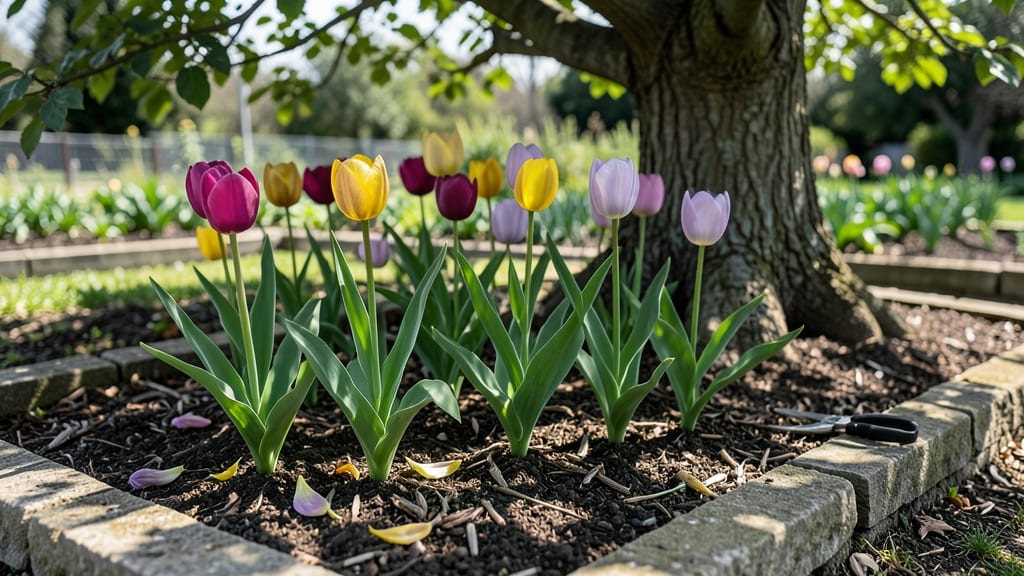
Wondering do tulips need sun or shade? The answer lies in striking that perfect balance for blooms that’ll steal the show.
Struggling to get your tulips to bloom year after year? The answer might lie in their light requirements—get this wrong, and you could be sacrificing vibrant flowers for lackluster growth.
Too much shade, and they’ll stretch weak stems toward the sky. Too much sun, and those delicate petals can scorch before they even open.
Most tulips—especially 🌷 Darwin hybrids and parrot tulips—crave at least 6 hours of sunlight daily to pack on color and strength. But even shade-loving varieties like fringed tulips need a few hours of bright light to avoid flopping over or producing tiny, pale blooms.
The key is matching your tulips’ needs to your garden’s light map.
In this guide, I’ll break down how to spot the perfect spot—whether you’re dealing with a sunbaked patio or a shady woodland edge—and how to tweak conditions for longer stems, bigger blooms, and repeat flowering year after year.
 Best Window Placement
Ideal sunlight requirements for tulip blooms
Tulips thrive when given the right balance of sunlight, but their needs vary depending on the variety and your local climate. Most tulips prefer full sun—meaning 6 to 8 hours of direct sunlight daily—to produce their showstopping blooms.
However, some varieties can tolerate partial shade, especially in hotter regions where afternoon sun can scorch delicate petals. Understanding these nuances is key to maximizing your tulip's flowering potential.
If you're planting tulips in spring-blooming varieties, prioritize full sun exposure during their active growth phase (late winter to early spring). For fall-blooming types, adjust their placement slightly to avoid late-season heat stress.
The right sunlight strategy can transform lackluster stems into sturdy, vibrant blooms that last weeks longer.
Here’s a quick breakdown of how sunlight affects tulips, including the best placement strategies for your garden:
| Tulip Type | Sunlight Needs | Optimal Placement | Seasonal Adjustments |
|---|---|---|---|
| Darwin Hybrid | Full sun (6-8 hrs) | South or west-facing beds | Tolerates afternoon shade in Zone 8+ |
| Parrot Tulip | Partial shade (4-6 hrs) | East-facing or dappled shade | Protect from midday sun in hot climates |
| Fransen Tulip | Full sun to partial shade | South or east exposure | Morning sun preferred in Zone 7+ |
| Species Tulips | Partial shade (3-5 hrs) | Woodland garden edges | Avoid full sun in summer |
| Double Late Tulips | Full sun (6+ hrs) | Southwest-facing containers | Use shade cloth in peak summer |
For spring-blooming tulips, focus on placing them where they’ll receive morning sun and afternoon shade if your summers are scorching. This protects their foliage while still providing the energy needed for robust blooms.
In cooler climates (Zones 3-6), full sun is ideal year-round, as tulips won’t suffer from heat stress.
If you’re growing tulips in containers or small gardens, prioritize south-facing spots with at least 6 hours of sunlight daily. Use reflective surfaces like light-colored walls or mulch to bounce extra light onto your plants.
For shade-tolerant varieties, like species tulips, position them under deciduous trees where they’ll get filtered light in spring but natural shade in summer.
One common mistake is assuming all tulips need full sun. Parrot tulips, for example, often struggle in intense afternoon heat, leading to weak stems or faded blooms. If you notice your tulips leaning or developing brown leaf edges, they might be getting too much direct sun.
Adjust their placement gradually to avoid shocking the plants.
Seasonal adjustments are crucial, especially for fall-blooming tulips. These varieties need partial shade in late summer to prevent premature wilting. Use shade cloth (30-50% coverage) if your area experiences extended heatwaves during their blooming window. This simple tweak can extend their vase life by up to 2 weeks.
Pro tip: Group tulips with complementary light needs. Plant sun-loving Darwin hybrids near the center of your border and shade-tolerant species tulips along the edges. This creates a natural gradient of light exposure that mimics their native habitats and encourages healthier growth.
🌷
How to adjust light conditions for different tulip varieties
Not all tulips thrive under the same light conditions. While most varieties love full sun, some delicate types—like parrot tulips—can scorch in intense afternoon rays.
Understanding these differences is key to avoiding weak stems or no blooms next spring. Let’s break down how to tailor light exposure for your favorite varieties.
For Darwin hybrid tulips, the gold standard for height and vigor, 6+ hours of direct sun is non-negotiable. These powerhouses need full sun to produce their iconic, large blooms. Plant them in the sunniest spot in your garden, ideally with morning sun and afternoon shade in hotter climates.
Without enough light, their stems will stretch weakly, and flowers may fail to open.
Here’s how to balance light for different tulip types:
Tulip Light Adjustments by Variety
Darwin Hybrids
- ✅ DO: Place in full sun (6+ hours)
- ✅ DO: Use afternoon shade cloth in Zone 8+
- ❌ DON’T: Plant under dense trees (roots compete)
Parrot Tulips
- ✅ DO: Provide morning sun + afternoon shade
- ✅ DO: Use dappled shade (e.g., under deciduous trees)
- ❌ DON’T: Expose to hot afternoon sun (petals burn)
Fringed Tulips
- ✅ DO: Give partial shade (4-6 hours sun)
- ✅ DO: Plant near north-facing walls or fences
- ❌ DON’T: Crowd with tall perennials (blocks light)
Adjust light gradually to avoid shock—move containers or prune nearby plants over 2-3 weeks.
If your tulips aren’t blooming, check their light first. Weak stems or leggy growth often mean they’re not getting enough sun. For container-grown tulips, rotate pots weekly to ensure even light exposure. In shady spots, consider reflective surfaces like white gravel or mirrors to bounce extra light onto plants.
For late-season bloomers like Kaufmanniana tulips, prioritize morning sunlight to prevent wilting. These woodland natives prefer dappled shade and will reward you with earlier blooms if planted under the canopy of trees that lose leaves in spring. Mulch heavily around their base to protect roots from temperature swings.
Troubleshooting tip: If your tulips produce fewer flowers year after year, it’s often a sign of overcrowding or poor light. Divide bulbs every 3-4 years and replant in sunnier locations. Even 6 inches of extra sunlight can double your bloom count!
Experiment with light adjustments this season—your tulips will thank you with bigger, brighter blooms next spring. 🌷