
Light Requirements
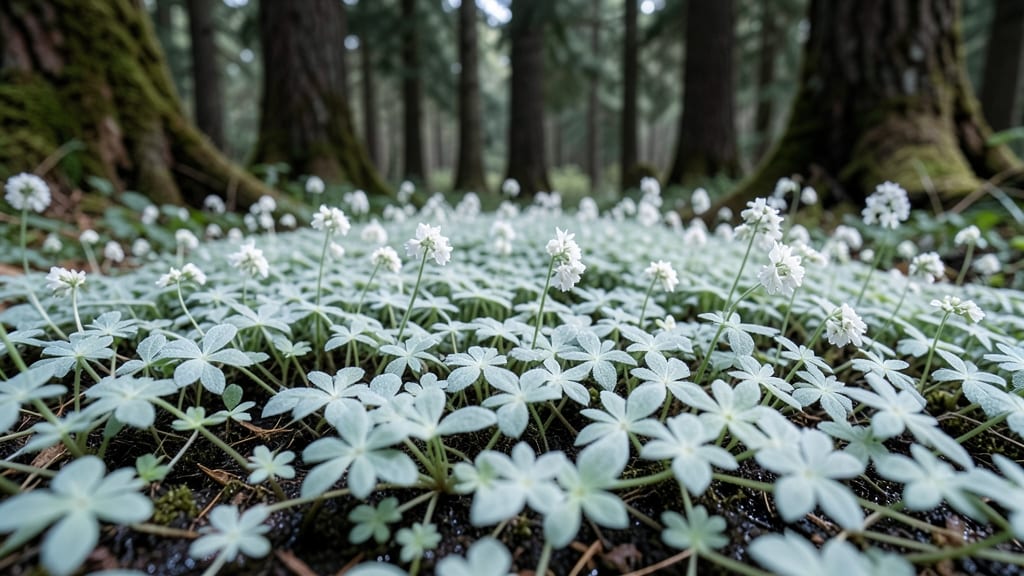
Struggling to grow plants in shady spots? These 10 full shade outdoor plants thrive where sunlight is scarce, offering lush foliage, vibrant blooms, and minimal maintenance—perfect for patios, under trees, or north-facing gardens.
Hostas for Year-Round Ground Cover
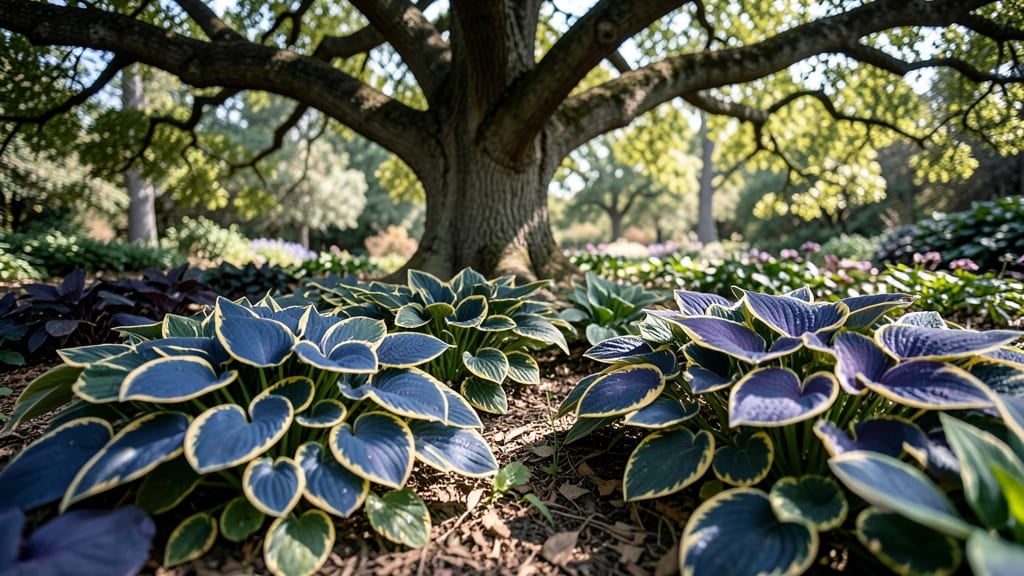
Tired of barren patches under trees or along north-facing walls? Hostas transform those forgotten spots into lush, textured carpets that stay green even when sunlight is scarce. Their bold foliage patterns—from deep blues to golden variegation—bring instant visual interest to shady corners, making them the MVP of woodland gardens.
These hardy perennials thrive in full to partial shade and prefer consistently moist (but not soggy) soil, making them perfect for areas where water pools after rain. Plant in well-draining soil amended with compost, and space 18-24 inches apart for mature clumps. Hostas also deter deer and rabbits, giving you peace of mind while adding structure to borders.
Ideal for beginners and busy gardeners, hostas require minimal upkeep beyond occasional division every 3-4 years. Their year-round ground cover keeps weeds at bay while adding sophisticated texture to your shade garden. 🌿
Ferns for Lush Texture Layers
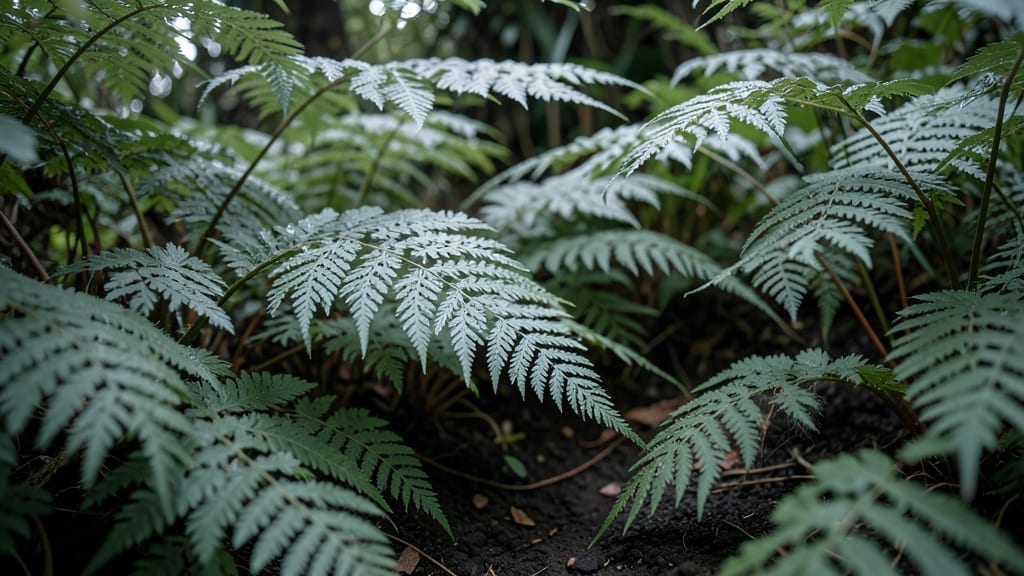
Tired of shady spots looking dull? Ferns transform dark corners into lush, tropical escapes with their delicate, feathery fronds that thrive in full shade where sunlight barely touches.
These versatile plants come in countless varieties—from the elegant maidenhair fern with its lacy fronds to the bold Japanese painted fern with striking silver and black patterns. Plant them in containers for patios or tuck them into foundation plantings to soften harsh lines. Most prefer moist, well-draining soil and benefit from weekly watering during dry spells, though some varieties like dry shade once established.
Perfect for urban gardeners with limited sun or anyone craving a jungle-like atmosphere without the maintenance, ferns add movement and texture that other shade plants can't match. 🌿
Impatiens for Bright Summer Blooms
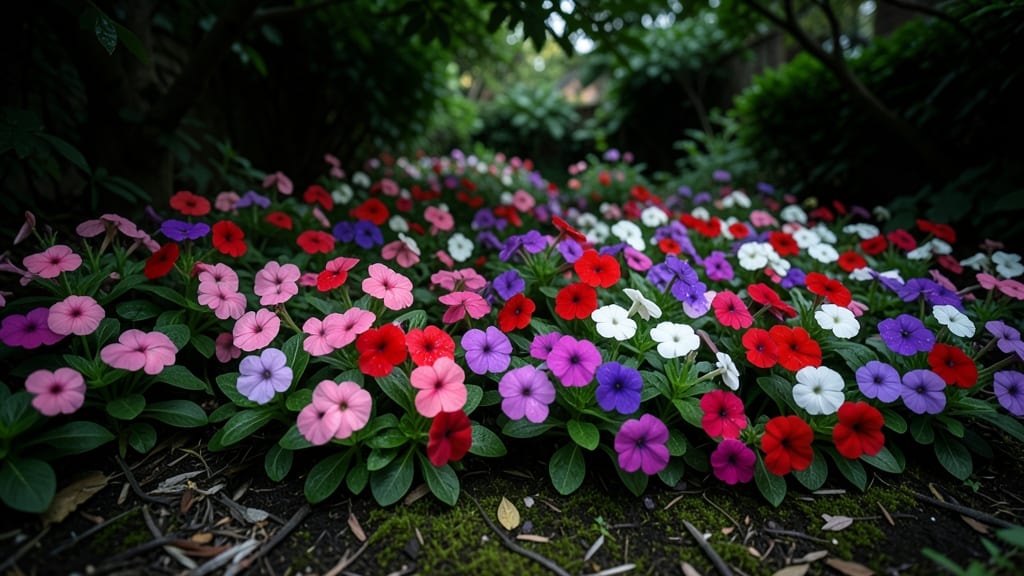
Transform those dark corners of your garden into a vibrant explosion of color with impatiens—the ultimate annual for full shade. These cheerful bloomers thrive where sunlight barely reaches, turning gloomy patches into lively displays of pink, red, purple, and white flowers from spring until frost.
Perfect for containers or garden beds, impatiens demand only consistent moisture (they wilt quickly if dried out) and well-draining soil. Plant them in spring after the last frost, spacing seedlings 6-12 inches apart, and watch them fill gaps with nonstop blooms. Their delicate foliage also deters pests, making them a low-maintenance star.
Urban gardeners and patio plant lovers will adore how impatiens brighten balconies, window boxes, or shady borders without needing sun. Just keep them watered, and they’ll reward you with months of effortless color. 🌻
Hellebores for Winter Interest
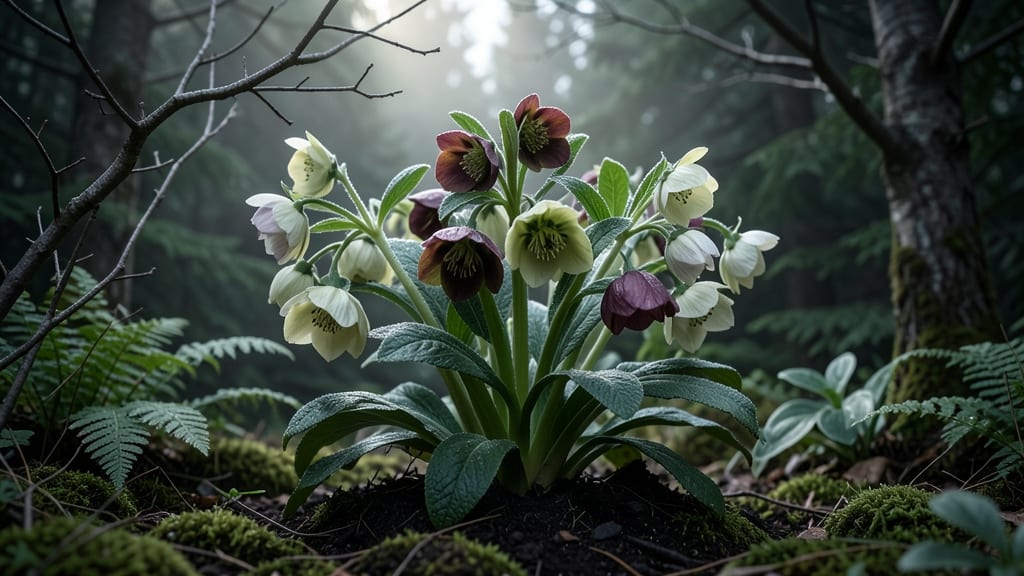
When most plants retreat into dormancy, hellebores defy winter’s chill with their striking, nodding blooms that appear as early as late winter—often before snow melts. These evergreen perennials thrive in deep shade where ferns and hostas might struggle, making them the unsung heroes of dark corners, woodland gardens, and north-facing beds.
Known as the "Lenten rose" or "Christmas rose," hellebores bloom for 6-8 weeks in shades of white, pink, purple, and green, with unique petal reversals that catch rainwater like tiny cups. They prefer moist, well-draining soil and tolerate drought once established, though their roots appreciate organic matter. Deadhead spent blooms to encourage more flowers, and avoid over-fertilizing—these plants prefer humus-rich soil over rich amendments. Deer and rabbits typically avoid them, adding to their low-maintenance appeal.
Perfect for cottage gardeners, shade enthusiasts, and those seeking early color, hellebores bring year-round interest with their glossy, leathery leaves and dramatic winter blooms. Pair them with ferns or lungwort for a lush, layered shade garden that stays beautiful long after summer fades. ✨
Caladiums for Striking Foliage
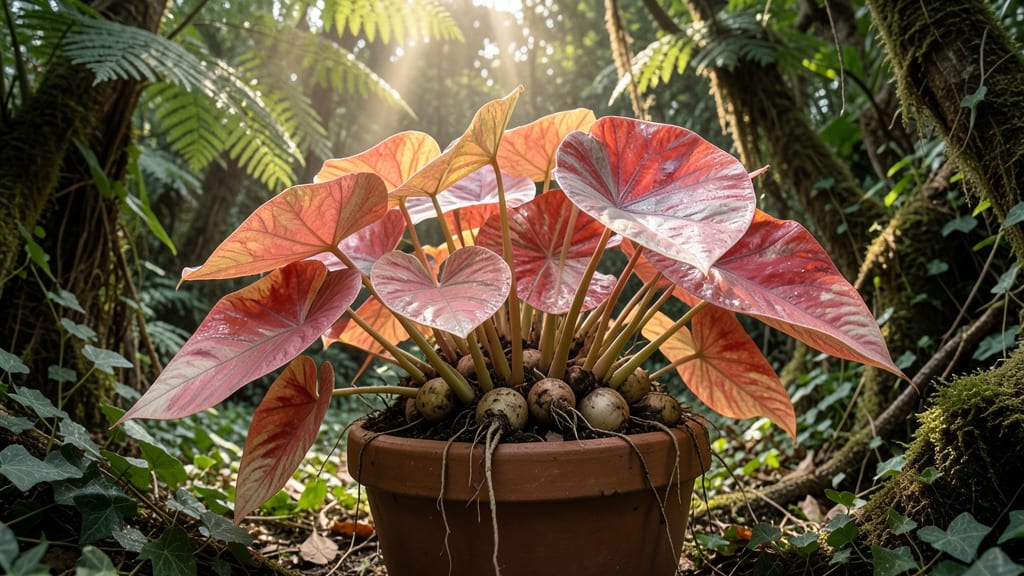
Want to turn your shady patio or woodland garden into a tropical oasis without the sun? Caladiums deliver jaw-dropping foliage in every shade of pink, red, and cream—think velvety heart-shaped leaves that glow under dappled light. These tubers thrive where most plants refuse to grow, making them the secret weapon for adding drama to forgotten corners.
Plant caladium tubers in spring after the last frost, burying them just 2-3 inches deep in rich, well-draining soil mixed with compost. They love moisture-rich conditions (think mulched beds or containers) and will reward you with bold foliage that lasts all summer. For extra impact, mix varieties like 'White Queen' or 'Flamingo'—their contrasting patterns create a living work of art.
Perfect for container gardens, urban balconies, or shady borders, caladiums bring instant sophistication with almost zero fuss. Just keep the soil consistently damp, and you’ll have a lush, tropical vibe that lasts until frost. 💚
Astilbes for Feathery Plumes
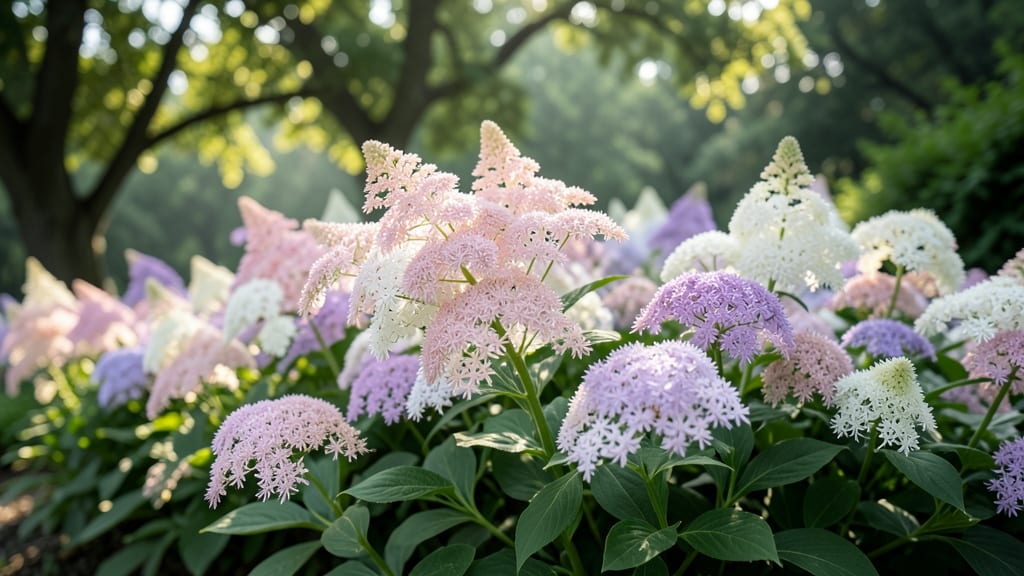
Want to replace those heavy, drooping impatiens with something lighter and more elegant? Astilbes bring a whimsical, feathery texture to your shade garden while offering blooms from late spring through fall—long after impatiens have faded. Their airy plumes in shades of pink, white, and lavender sway gently in the breeze, creating movement where other shade plants stand still.
These perennials thrive in moist, well-draining soil and prefer full to partial shade**, making them ideal for woodland gardens, under trees, or north-facing borders. Choose varieties like 'Fanal' (deep pink) or 'Deutschland' (lavender) for height (2-4 feet) and drama. Deadhead spent blooms to encourage more flowers, and divide clumps every 3-4 years to maintain vigor. They’re also deer-resistant, saving you from nibbled foliage.
Perfect for cottage gardeners or anyone who loves romantic, textural plants, astilbes pair beautifully with hostas and ferns for a layered, season-long shade display. 🌷
Lungwort for Medicinal Beauty
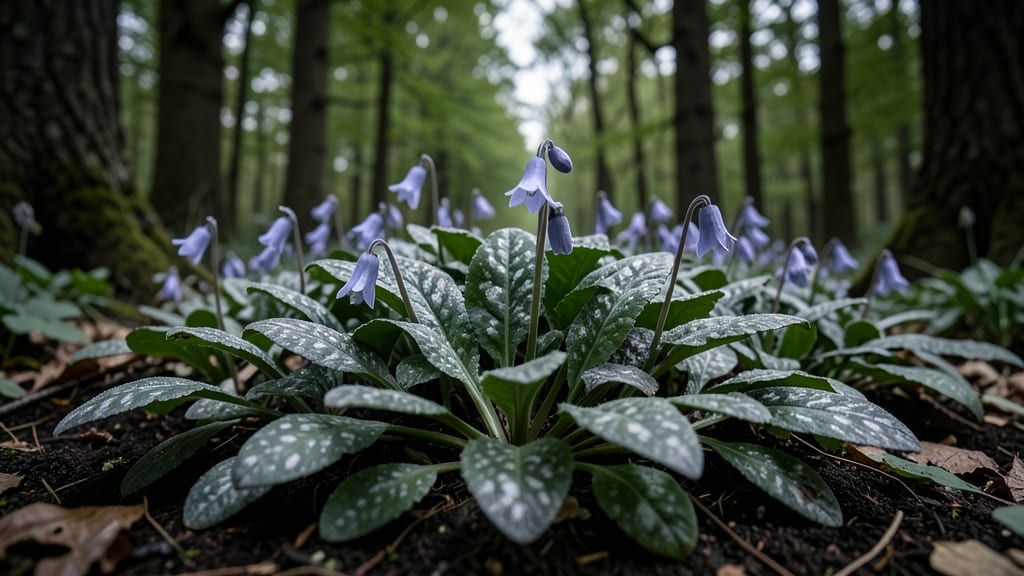
Want a shade plant that’s as beautiful as it is useful? Lungwort (Pulmonaria) brings medicinal history and silver-spotted foliage to your garden, thriving where sunlight barely touches. Its delicate blue flowers (earning it the nickname "soldier’s woundwort") appear in early spring, while the spotted leaves add textural contrast to shady borders.
This hardy perennial prefers moist, well-draining soil and partial to full shade, making it perfect for woodland gardens or understory plantings. Deadhead spent blooms to encourage more foliage, and divide clumps every 3-4 years to prevent overcrowding. Lungwort also attracts pollinators early in the season, giving your garden a head start on biodiversity.
Cottage gardeners and herbalists will love lungwort’s dual purpose—its leaves were historically used for respiratory ailments, and its striking foliage creates a textural focal point in shady spots. Perfect for adding depth and history to your garden. 🌿
Japanese Painted Ferns
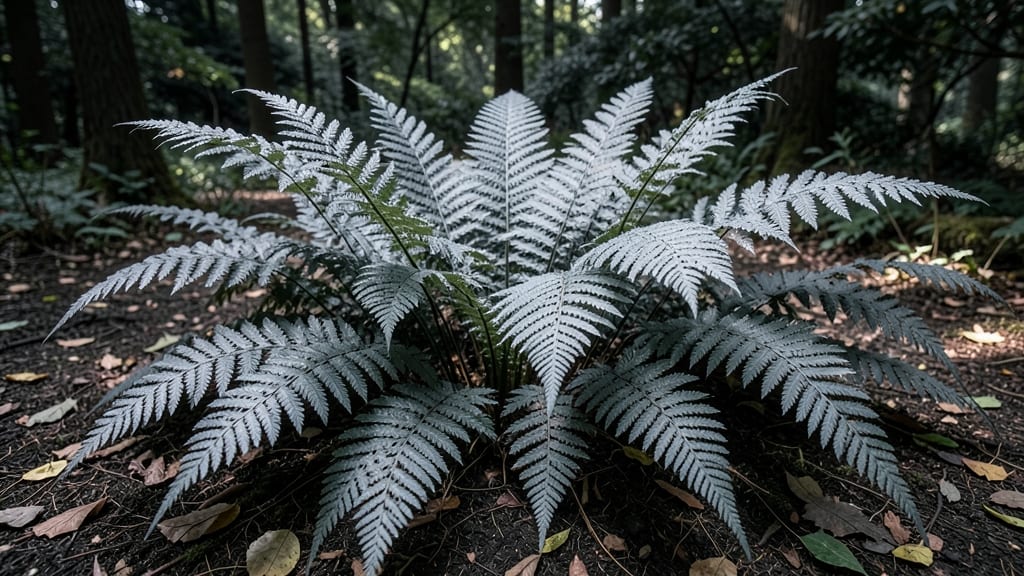
Looking for a drought-tolerant plant that adds modern flair to your shade garden? Japanese painted ferns (Athyrium niponicum var. pictum) deliver bold, silver-and-black patterned foliage that thrives where sunlight barely reaches—no fuss required. Their architectural fronds create striking contrast against dark green hostas or bright foliage like caladiums, making them a designer’s secret weapon for contemporary shade beds.
These ferns are surprisingly low-maintenance once established, tolerating dry shade after their first growing season. Plant them in well-draining soil with organic matter, and water regularly until roots spread (typically 1-2 years). Their clumping habit prevents invasive spread, and they handle urban air pollution better than many shade plants. For maximum impact, group 3-5 plants together—their layered fronds create a textural focal point that outshines generic green ferns.
Perfect for modern minimalist gardens, courtyard planters, or rockeries, Japanese painted ferns bring artistic drama without the upkeep of finicky annuals. Urban gardeners and busy homeowners will appreciate their resilience—just plant, water occasionally, and enjoy their year-round structure that brightens even the darkest corners. 💚
Coral Bells for Season-Long Color
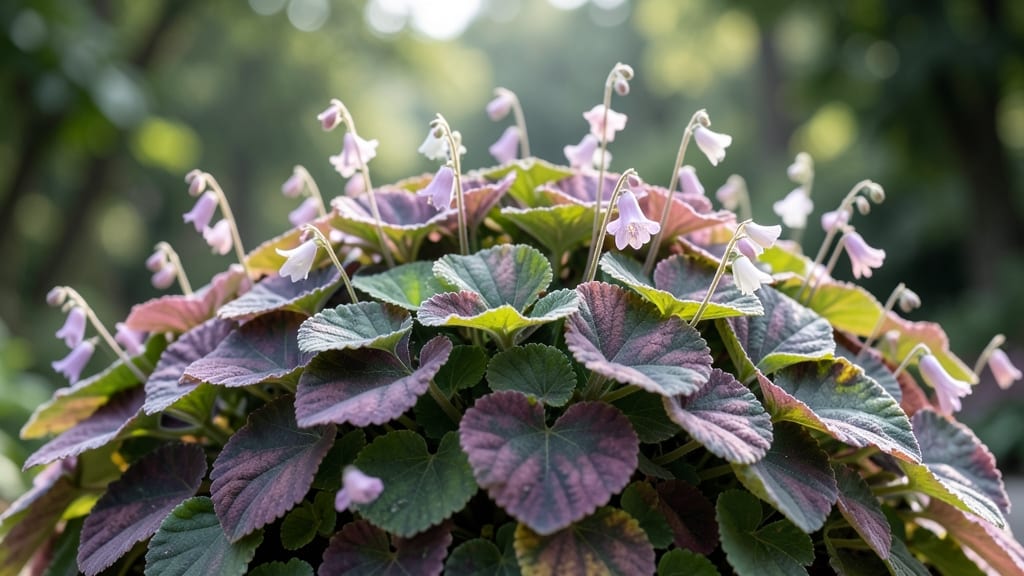
Looking for a perennial powerhouse that delivers colorful foliage and summer blooms without demanding full sun? Coral bells (Heuchera) are your answer—these versatile plants thrive in partial to full shade while offering a rainbow of leaf colors from deep purple to lime green, with delicate flower spikes that add height and texture.
Coral bells prefer consistently moist, well-draining soil and tolerate a range of conditions, making them ideal for woodland gardens, containers, or shady borders. Varieties like 'Palace Purple' or 'Lime Rickey' provide year-round interest, with foliage that remains vibrant even in winter. Prune spent flower stalks in early summer to encourage a second round of blooms, and divide clumps every 3-4 years to keep them vigorous.
Perfect for modern gardeners, cottage-style beds, or urban containers, coral bells bring season-long color and texture with almost no fuss. Their compact size (12-18 inches tall) makes them ideal for edging or layered plantings alongside hostas or ferns. 💚
Sweet Woodruff for Fragrant Ground Cover

Craving a fragrant ground cover that thrives where others fail? Sweet woodruff (Galium odoratum) is your secret weapon for dry, shady spots—its delicate white flowers and star-shaped leaves create a lush, low-growing carpet that spreads gently without crowding other plants. Unlike moisture-loving shade plants, sweet woodruff tolerates dry conditions once established, making it perfect for understory planting or as a living mulch under trees where grass won’t grow.
This hardy perennial spreads via rhizomes (not aggressively) and blooms in late spring with tiny white flowers that release a vanilla-like scent when crushed—a scent so beloved it was once used in potpourri. Plant it in well-draining soil with partial to full shade, and watch it fill gaps between hostas or ferns. It’s also deer-resistant and thrives in USDA zones 4-8, making it a reliable choice for cool climates.
Perfect for woodland gardeners, cottage-style beds, or urban courtyards with dry shade, sweet woodruff adds texture and fragrance without the fuss. Just avoid overwatering—this is one shade plant that truly loves to dry out between waterings. 🌿