
Planting
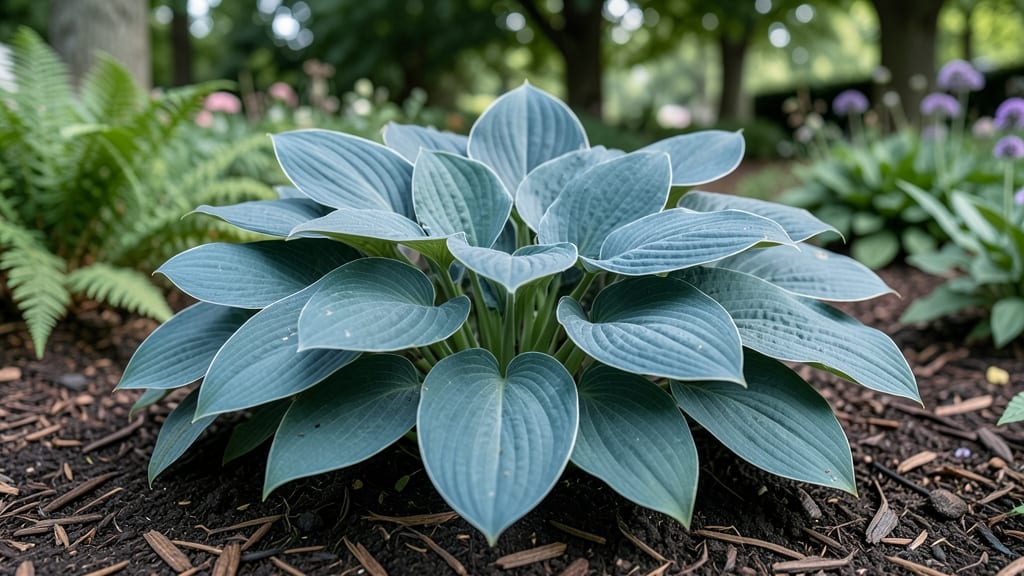
Transforming your garden with a hosta seeds perennial shade plant may seem daunting, but those slow early months of growth are worth it for the bold, lush foliage they’ll eventually deliver. 🌿 I’ve learned the hard way that hostas from seed take patience—most gardeners give up after the first slow month—but the payoff is worth it.
These shade-loving perennials develop dramatic variegation and textures you won't find in nursery plants. The secret starts with cool-season timing: sow seeds indoors in late winter or directly in garden beds after your last frost date.
Use a well-draining soil mix and keep them consistently moist, as hosta seeds need darkness to germinate. Most take 4-8 weeks to sprout, but don't disturb them once planted. Once seedlings emerge, they'll grow slowly at first, but by their second year, you'll see those bold, heart-shaped leaves you love.
The key is protecting them from slugs and snails—those little munchers adore tender young hostas. With proper care, your shade garden will become a neighbor-jealousy display within three seasons. This method works for both woodland gardens and urban courtyards with filtered light.
The patience pays off when you're surrounded by foliage that thrives where nothing else will grow.
📚 In This Guide
- What you need
- Instructions
- Tips and common mistakes
- Wrapping up and next steps
What you need
- ● Hosta seeds: Choose high-quality, organic seeds (e.g., Hosta plantaginea, Hosta sieboldiana, or your favorite variety). Start with 50–100 seeds for a small garden or 200+ seeds for larger coverage.
- ● Seed-starting trays or biodegradable pots: 50–100 cell trays (2–3 inches deep) or 4-inch pots for individual seedlings.
- ● Seed-starting mix: A lightweight, well-draining mix (e.g., 50% peat moss, 30% perlite, 20% vermiculite). Avoid garden soil—it’s too dense!
- ● Grow lights or sunny windowsill: Hostas need 12–16 hours of light daily. Use a full-spectrum LED grow light if natural light is limited.
- ● Misting bottle or spray nozzle: Keeps seeds consistently moist without drowning them.
- ● Plastic wrap or humidity dome: Creates a mini greenhouse to retain moisture during germination.
- ● Fertilizer: A balanced, water-soluble fertilizer (e.g., 10-10-10) diluted to half-strength for seedlings.
- ● Heat mat: Speeds up germination (hosta seeds thrive at 65–75°F).
- ● pH test kit: Hostas prefer slightly acidic soil (6.0–7.0).
- ● Epsom salt: A tablespoon per gallon of water boosts magnesium for healthier foliage.
- ● Shade cloth: Protects young seedlings from too much indirect light after transplanting.
- ● Garden journal: Track seed varieties, planting dates, and growth progress!
Step-by-step instructions for growing hostas from seed in shady spots
Hostas from seed take patience, but the payoff is worth it—lush, unique foliage that thrives where other plants struggle.
🌱 Step 1: Start Seeds Indoors in Early Spring
Hosta seeds need 6-8 weeks indoors before transplanting outside. Use small seed-starting trays with well-draining potting mix—hosta roots hate soggy soil. Sprinkle seeds on the surface (they don’t need light to germinate), then press them lightly into the mix. Cover the tray with plastic wrap to retain moisture, and place it in a warm spot (70-75°F).
Keep the soil consistently moist but never soggy. You’ll see tiny sprouts in 4-8 weeks—this is slower than most seeds, so don’t rush it. Once they emerge, remove the plastic and move them to a bright, indirect light spot (no direct sun yet). If seedlings look leggy, they need more light—just a few inches closer to a window helps.
☀️ Step 2: Harden Off and Transplant in Late Spring
When seedlings have 2-3 true leaves (not just the first tiny ones), it’s time to harden them off. Start by placing them outside in partial shade for 1-2 hours the first day, then gradually increase their time outdoors over 10-14 days. This toughens them up so they don’t get shocked by cooler night temperatures.
Transplant outdoors after the last frost when soil is warm (60°F+). Space seedlings 12-18 inches apart—hostas spread over time, so give them room. Dig a hole slightly deeper than the root ball and water deeply to settle the soil. Mulch around the base with 2-3 inches of organic mulch to keep roots cool and retain moisture.
🌿 Step 3: Provide Consistent Shade and Moisture
Hostas love dappled shade to full shade—they’ll wilt in hot sun. A spot under trees with morning sun and afternoon shade is ideal. Water deeply once a week (more in extreme heat), keeping the soil evenly moist but not soggy. You’ll know they’re happy when leaves stay plump and vibrant—wilting means they need more water, while yellowing means they’re getting too much.
Fertilize lightly in early spring with a balanced, slow-release fertilizer (like 10-10-10). Too much nitrogen makes leaves grow fast but weak. In fall, reduce watering slightly and let the soil dry out more between waterings—this helps the plant prepare for dormancy.
✂️ Step 4: Divide and Maintain for Long-Term Growth
Hostas spread slowly but steadily. After 3-4 years, you’ll see clumps forming. Divide them in early spring or fall by carefully digging up the plant, separating the crowns with a knife, and replanting the strongest sections. This keeps them healthy and gives you free plants to share!
Watch for slugs—they adore hosta leaves. Handpick them at night or use organic slug bait around the base. With proper care, your hostas will grow larger and more vibrant each year, becoming the star of your shady garden.
Tips & tricks for perfect hosta seedlings in shady gardens
Growing hostas from seed rewards patience with stunning foliage—here’s how to avoid common pitfalls and give your plants the best start.
Timing Secret: Those 6-8 weeks indoors are non-negotiable—hosta seeds germinate slowly, and rushing them weakens the seedlings. I’ve learned the hard way that skipping this step leads to leggy, weak plants that struggle outdoors. Use a seedling heat mat set to 70-75°F to speed up germination slightly if your home stays cooler than that. The goal is strong, stocky seedlings that can handle transplanting.
Lighting Strategy: Once sprouts appear, move them to bright, indirect light immediately—no direct sun yet! I place mine under a south-facing window with sheer curtains. If your seedlings stretch toward the light (becoming leggy), rotate the tray daily so they grow evenly. A simple grow light on a timer works wonders if natural light is limited. Leggy seedlings often fail when transplanted because their stems can’t support themselves.
Harden Off Gradually: The 10-14 day hardening process is where most beginners rush and regret it. Start with just 1-2 hours of partial shade on day one, then add 30 minutes each day. I’ve seen seedlings wilt dramatically after being moved outside too quickly—this is their shock response. By the end of the two weeks, they should be able to handle 6-8 hours of shade without stress. Watch for crispy edges or drooping as warning signs to slow down.
Transplanting Wisdom: When you’re ready to plant outdoors, dig holes slightly deeper than the root ball—this encourages the plant to develop a stronger root system. The 12-18 inch spacing might seem generous, but hostas spread over time. I mark planting locations with small stakes to avoid overcrowding later. Water deeply after planting to settle the soil, and always use that 2-3 inches of organic mulch to lock in moisture and keep roots cool.
Pro Tips for Hosta Seeds Perennial Shade Plant
- Growing hostas from seed rewards patience with stunning foliage—here’s how to avoid common pitfalls and give your pla...
- Timing Secret: Those 6-8 weeks indoors are non-negotiable—hosta seeds germinate slowly, and rushing them weakens the ...
- Lighting Strategy: Once sprouts appear, move them to bright, indirect light immediately—no direct sun yet! I place mi...
Frequently asked questions
about growing hosta seeds for perennial shade plants—here’s what you need to know!Can I grow hostas from seed, or should I buy established plants?
While hostas can be grown from seed, it’s a slower process (3–5 years to maturity) compared to planting nursery starts. Seeds are great for collectors or rare varieties, but beginners may prefer established plants for instant impact. If starting from seed, expect patience—seedlings grow slowly and may take years to reach full foliage glory!
How long does it take for hosta seeds to germinate?
Hosta seeds typically germinate in 30–90 days, depending on temperature and moisture. Keep soil consistently damp (not soggy) and maintain temps between 60–75°F (15–24°C). Cold stratification (chilling seeds for 2–3 months) can improve germination rates. Pro tip: Use a clear plastic dome or humidity tray to retain moisture during this waiting game!
Are there shade-tolerant alternatives to hostas for my garden?
If hostas aren’t your style, try these low-light perennials:
- Ferns (e.g., Matteuccia struthiopteris or Dryopteris)
- Hellebores (Lenten roses—bloom early and thrive in shade)
- Astilbes (Feathery plumes and lush foliage)
- Japanese painted ferns (Vibrant silver-and-green patterns)
- Lungwort (Pulmonaria) (Spotty leaves + early spring blooms)
Why are my hosta seedlings dying, and how can I fix it?
Common culprits include overwatering (root rot), poor drainage, or pests like slugs/snails. To troubleshoot:
- Ensure pots have drainage holes and use well-draining soil.
- Water only when the top inch of soil is dry.
- Use organic slug bait or beer traps if pests appear.
- Check for fungal issues (yellowing leaves = too much moisture).
How do I encourage bigger, showier hosta foliage?
For bold, glossy hosta leaves, focus on:
- Full shade (6+ hours of shade daily).
- Rich, moist soil (amend with compost or peat moss).
- Fertilizer (balanced 10-10-10 in spring or slow-release organic options).
- Dividing clumps every 3–4 years to prevent overcrowding.
Wrapping up and next steps
Growing hosta seeds for your perennial shade garden is a rewarding journey that brings lush, vibrant foliage to even the darkest corners of your yard. 🌿 With the right soil, patience, and care—especially during those early germination stages—you’ll soon enjoy a thriving shade haven that’s low-maintenance and stunningly beautiful.
Ready to dive in? Start by gathering your supplies, prepping your soil, and sowing those seeds this season!
For extra inspiration, browse hosta varieties or join gardening communities to swap tips and photos of your progress. Happy planting!