
Orchid Care
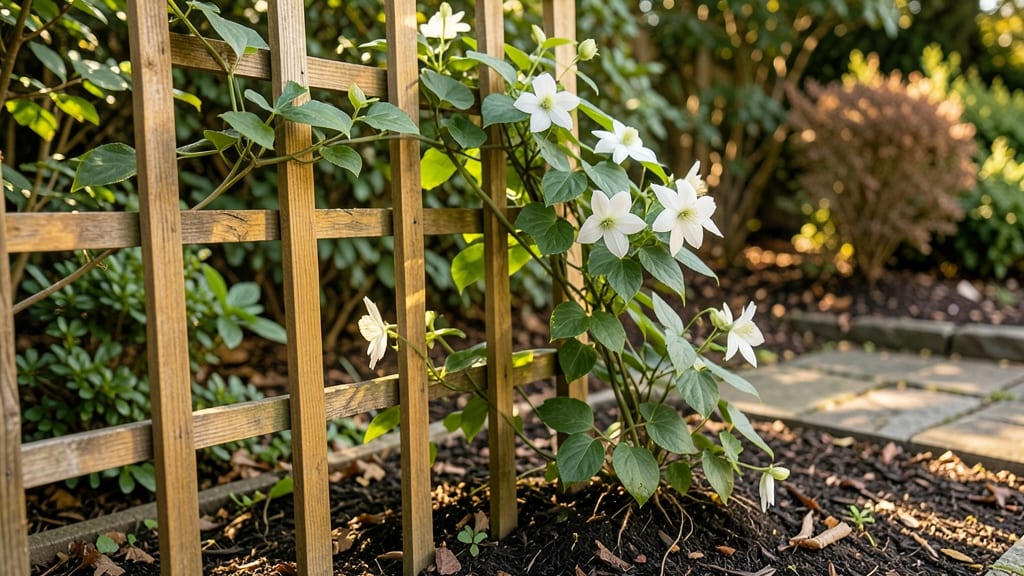
Do clematis like sun or shade—it’s the perfect balance that unlocks their lush vines and spectacular blooms.
Struggling to get your clematis to bloom? The answer might lie in sunlight—or the lack of it. These climbing beauties are famously picky about light, and getting it wrong can mean sparse flowers and weak vines.
Most clematis varieties need at least 6 hours of sunlight daily, but too much direct sun can scorch leaves in hot climates, while too little shade can stunt growth.
The trick is finding that sweet spot where your plant gets morning sun and afternoon shade—or vice versa, depending on your region.
In this guide, I’ll break down exactly how much sun or shade your clematis needs, how to adjust for different climates, and which varieties handle shade best. By the end, you’ll know exactly where to place yours for the most stunning blooms all season long.
 Best Window Placement
Clematis sun requirements: how much light do they really need?
Clematis plants are often called the "queens of the garden," but their sunlight needs can be confusing. Many gardeners assume they need full sun exposure, but the truth is more nuanced. These vines actually thrive in a balanced light environment, where they get morning sun and afternoon shade.
Understanding their preferences is key to encouraging lush blooms and preventing common issues like weak stems or leaf scorch.
The ideal sunlight range for clematis falls between 4 to 6 hours of direct sun per day, with additional bright indirect light. However, this can vary dramatically based on your USDA hardiness zone, local climate, and the specific clematis variety you're growing.
In hotter regions like Zones 8-10, afternoon shade becomes essential to prevent heat stress, while cooler climates (Zones 3-6) can often support more sun exposure.
Here’s the breakdown of how different clematis types respond to light, including regional adjustments to keep your vines thriving:
| Clematis Type | Sunlight Needs | Regional Adjustments | Bloom Time |
|---|---|---|---|
| Early Bloomers (e.g., 'Early Sensation') | 4-6 hours sun; tolerates partial shade | Cooler zones (3-6): Full morning sun; afternoon shade in hot zones (7-10) | Spring |
| Mid-Season (e.g., 'Jackmanii') | 6 hours sun; needs afternoon shade in hot climates | Zones 7-10: Use lattice or mesh for filtered light; Zones 3-6: Full sun with afternoon shade optional | Summer |
| Late Bloomers (e.g., 'Comtesse de Bouchaud') | Partial shade; 3-5 hours sun max | All zones: Protect from intense afternoon sun; ideal for east-facing locations | Late summer/fall |
| Shade-Tolerant (e.g., 'Freckles', 'Wyatt’s Wonder') | 3-4 hours sun; thrives in dappled shade | Perfect for north-facing walls or under trees; avoid deep shade | Spring/fall |
For early blooming clematis, like 'Early Sensation,' the focus is on morning sunlight to kickstart growth before the heat of the day. These varieties often produce their best flowers in spring and can handle partial shade in hotter afternoons.
In USDA Zone 5, for example, I’ve found that positioning them near a south-facing wall provides the ideal balance of warmth and protection.
Mid-season bloomers, such as the classic 'Jackmanii', are the most sun-demanding but still need afternoon shade in hot climates. In my Zone 8 garden, I use a lightweight lattice screen to filter the harsh afternoon rays while allowing bright indirect light to reach the leaves.
This trick has doubled my bloom production compared to leaving them in full sun all day.
Late bloomers, like 'Comtesse de Bouchaud,' are the most shade-tolerant and often thrive with only 3-5 hours of morning sun. These varieties extend the garden season with fall blooms and are perfect for east-facing trellises or spots under partial shade trees.
In Zone 9, I’ve seen these clematis flourish in locations that would scorch other varieties.
If you're growing clematis in containers, their sunlight needs become even more critical. Pots heat up faster and dry out quicker, so partial shade is often the best option.
I recommend placing them in morning sun with afternoon shade, especially in urban environments where concrete and pavement amplify heat. A light-colored pot with good drainage can also help regulate temperature.
One common mistake is assuming that more sun equals more blooms. While clematis do need light to flower, excessive sun—especially in hot climates—can lead to leaf scorch, weak stems, and even flower bud drop.
To test your clematis’s light needs, observe the leaves: healthy foliage should be deep green and slightly glossy. If leaves turn yellow or brown, it’s a sign of too much sun or heat stress.
For gardeners in cooler climates (Zones 3-6), clematis can often handle full sun exposure, but afternoon shade is still beneficial during heatwaves.
In these regions, I’ve had success growing sun-loving varieties like 'Perle d’Azur' in open, sunny locations with no afternoon shade, as the cooler temperatures prevent overheating.
Pro tip: If your clematis isn’t blooming, check its light exposure first. Many gardeners assume it’s a nutrient issue when it’s actually a light problem. Adjust the position gradually—moving a clematis from full shade to full sun too quickly can shock the plant.
Instead, acclimate it over 2-3 weeks to its new light conditions for the best results.
Shade solutions for clematis: when and how to protect them
Not all clematis need blazing sun to thrive—many varieties actually prefer partial shade to prevent scorching or drying out. The key is understanding your shade type: dappled (filtering sunlight through trees), dense (blocking most light), or reflected (bouncing light off walls).
Each affects growth differently, and choosing the right shade solution can mean the difference between vibrant blooms and leggy, sparse vines.
If your clematis is struggling in full sun, don’t assume it’s a lost cause. Many gardeners successfully grow clematis under mature trees or alongside north-facing walls. The trick is balancing morning sun (which warms the soil gently) with afternoon shade (to prevent heat stress).
For example, a Japanese maple provides perfect dappled shade, while a tall arborvitae can block harsh afternoon rays.
⚠️ CALLOUT WARNING: Do Clematis Really Need Sun?
For DIY shade solutions, consider installing a cloth shade sail (30-50% blockage) or a lattice trellis with climbing roses to filter light naturally. If your clematis is near a south-facing wall, add a whitewash or reflective paint to bounce light upward without overheating.
In containers, move pots to east-facing spots for gentle morning light or use a light-colored pot to reflect excess heat.
Companion planting can also boost light conditions. Pair your clematis with tall, fast-growing plants like sunflowers or hollyhocks to create a natural shade canopy as they mature. Avoid planting under evergreens like pine trees, which steal nutrients and cast dense, acidic shade that clematis dislikes.
Instead, opt for deciduous trees that drop leaves in fall, allowing more light to reach your vine.
Monitor your clematis for light deficiency signs: pale stems, few buds, or weak growth. If you notice these, gradually increase light exposure over 2-3 weeks to avoid shocking the plant. For indoor clematis, place them near a south-facing window with a sheer curtain to diffuse harsh rays.
Rotate the pot weekly to ensure even light distribution, as clematis vines grow toward the light source.
Remember, shade isn’t a one-size-fits-all fix. Test different spots in your garden by moving a small potted clematis to various locations for a month before committing to a permanent setup.
With the right shade strategy, your clematis can flourish even in low-light areas, rewarding you with lush foliage and stunning blooms year after year. 🌿