
Orchid Care
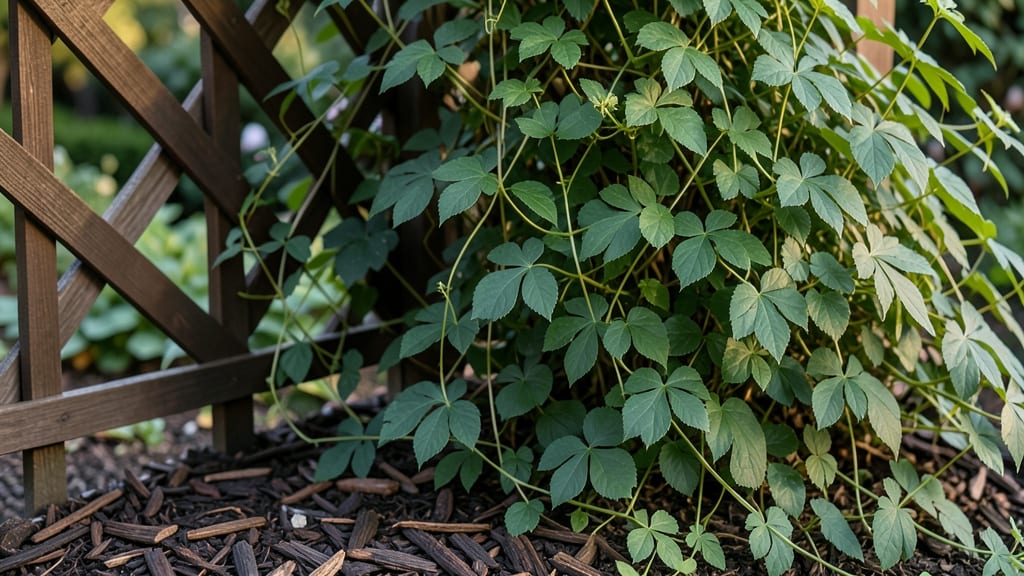
Clematis thrives in sun or shade, but the right light is the key to those showstopping blooms 🌸 — and getting it wrong means weak vines and few flowers.
Picture this: you’ve planted your clematis with high hopes, only to watch it struggle with yellowing leaves or sparse blooms. The issue might not be your soil or watering routine—it’s likely the light. Too much sun scorches delicate foliage, while too little shade leaves your plant leggy and bare.
Here’s the good news: most clematis varieties adapt well to partial shade or morning sun, especially in hotter climates like USDA Zone 6a. But knowing the nuances—like how early bloomers need more light than late-season varieties—can mean the difference between a lush vine and a sad, underperforming plant.
In this guide, I’ll break down the best light conditions for your clematis, how to spot light stress, and even how to transition your plant if you’ve got it wrong so far. Let’s get those blooms popping!
 Best Window Placement
How sunlight affects clematis growth and bloom patterns
Clematis are stunning vines that can transform any garden, but their light needs are often misunderstood. Too much sun or too little can drastically reduce blooms and weaken growth.
As someone who’s grown clematis for years, I’ve learned that sunlight intensity directly impacts vine strength, flower quantity, and even color vibrancy. Let’s break down how to get it right for your plants.
Most clematis varieties thrive in partial shade, especially in hot climates, but some varieties crave full sun. The key is understanding your specific clematis type—whether it’s an early bloomer, mid-season bloomer, or late-season bloomer.
Each has unique light requirements that can make or break their flowering potential. Let’s explore how sunlight shapes their growth patterns.
| Variety Type | Sunlight Needs | Bloom Time | Color Impact |
|---|---|---|---|
| Early Bloomers | Full sun to partial shade (3-6 hrs) | Spring (March-May) | Brighter colors in sun |
| Mid-Season Bloomers | Partial shade (3-5 hrs) | Summer (June-August) | Vibrant in filtered light |
| Late Bloomers | Partial shade to full shade (2-4 hrs) | Fall (September-November) | Deepens in shade |
Early bloomers like 'Jackmanii' love full sun to partial shade, producing bold, purple blooms that thrive with morning sunlight and afternoon shade.
I’ve noticed that when these varieties get too much afternoon sun, their leaves can scorch, but their flowers stay vibrant. Mid-season bloomers, such as 'Niobe', prefer partial shade to prevent leaf burn while still needing enough light for abundant blooms.
Late bloomers, like 'Etoile Violette', often do best in partial shade to protect their delicate leaves. These varieties bloom in fall when sunlight is less intense, making them perfect for shaded garden spots.
I’ve seen them produce stunning lavender-blue flowers even in dappled light, proving that shade can be their ideal environment.
Sunlight intensity also affects vine strength. Clematis grown in full sun tend to develop thicker stems and more robust growth, but they require consistent moisture. In contrast, shade-grown clematis may have longer, more flexible vines but might produce fewer blooms if light is insufficient.
Balancing these factors is key to a healthy plant.
Watch for warning signs of light stress in your clematis. Yellowing leaves often indicate too much sun, while weak, leggy growth with sparse blooms suggests insufficient light.
I once had a 'Perle d’Azur' that developed brown leaf edges because it was getting too much afternoon sun—moving it to a spot with morning sun fixed the issue within weeks.
Color vibrancy is another telltale sign of proper sunlight. Clematis grown in full sun often have brighter, more intense colors, while those in shade may develop deeper, richer hues.
For example, 'Hagley Hybrid' produces stunning pink and white blooms that pop in full sun but can fade in deep shade. Experimenting with light exposure can help you achieve the exact look you want.
If you’re unsure about your garden’s light conditions, consider using a light meter or observing how sunlight moves throughout the day. East-facing spots provide gentle morning sun, while west-facing areas get intense afternoon rays.
I’ve found that dappled light—where sunlight filters through trees—is often the sweet spot for many clematis varieties, offering protection from harsh midday sun.
Adjusting your clematis’s light exposure can dramatically improve its growth and blooming. Whether you’re dealing with early bloomers, mid-season stars, or late-season beauties, understanding their light needs is the first step to a show-stopping display.
With the right balance, your clematis will reward you with lush vines and abundant flowers year after year.
Best clematis varieties for shade vs. sun exposure
Choosing the right clematis variety for your garden’s light conditions is key to vibrant blooms and healthy vines. Some varieties thrive in bright sunlight, while others prefer gentler shade. Let’s explore the best options for each scenario so you can pick the perfect climber for your space.
Clematis plants generally need at least 3-6 hours of sunlight, but their tolerance varies. Sun-loving varieties often produce more flowers but may need extra water, while shade-tolerant types keep their leaves lush and avoid scorching.
Matching your plant to its ideal light will save you from weak stems or faded blooms.
Sun vs. Shade Clematis: Quick Comparison
- Bloom Time: Longer season
- Color: Brighter hues
- Care: Needs consistent water
- Examples: 'Niobe', 'Perle d’Azur'
- Bloom Time: Reliable in low light
- Color: Softer tones
- Care: Less watering needed
- Examples: 'Jackmanii', 'Etoile Violette'
- More flowers per vine
- Vibrant colors year-round
- Faster growth in ideal conditions
- Requires frequent watering
- Risk of leaf scorch in extreme heat
- Needs afternoon shade in hot climates
- Less watering needed
- Gentler on leaves in summer
- Good for containers with limited sun
- Fewer blooms overall
- Slower growth compared to sun
- Needs bright indirect light for best results
For full sun (6+ hours), try 'Niobe' with its deep purple blooms or 'Perle d’Azur', a stunning blue variety. These thrive in bright light but may need afternoon shade in hot climates to prevent leaf burn. Mulch heavily to retain moisture and support their vigorous growth.
In partial shade (3-6 hours of sun), 'Jackmanii' is a classic choice with deep purple flowers that appear in late spring. 'Etoile Violette' also excels here, offering violet-blue blooms from summer to fall. These varieties appreciate morning sun and afternoon shade.
If your garden is shady (less than 3 hours of sun), opt for 'Comtesse de Bouchard' or 'Wyatt’s Wonder'. Both produce lavender-pink flowers and tolerate low light better than most clematis. Pair them with hostas or ferns for a lush, woodland garden effect.
Remember, dappled light (filtered sun through trees) is ideal for many clematis. Test your spot by observing how much light reaches it throughout the day—this will help you choose the perfect variety for maximum blooms and healthy vines. 🌿