
Light Requirements
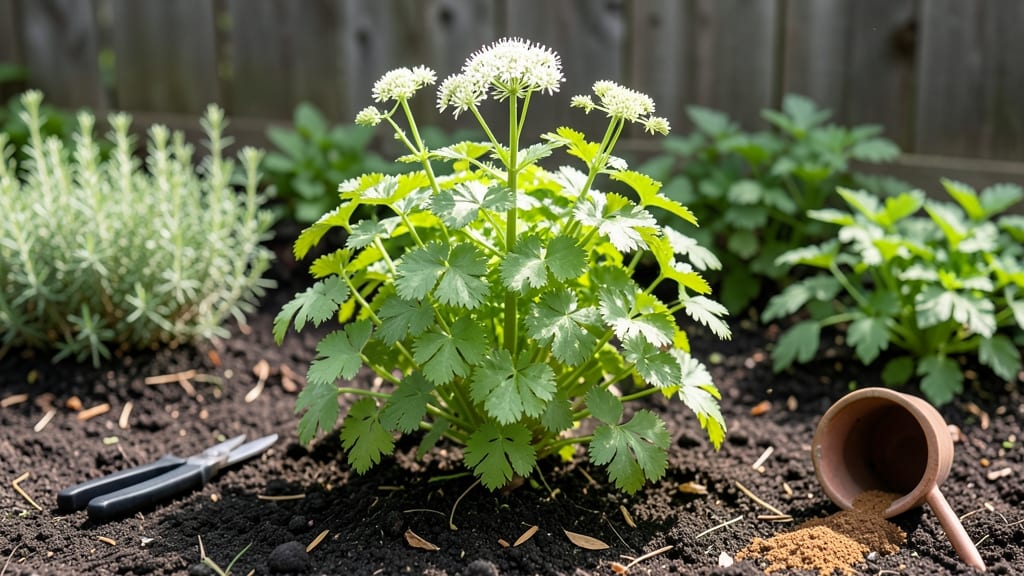
Mastering cilantro in full sun or shade is all about timing—this herb hates heat, so here’s how to keep it sweet and lush before it bolts. 🌿 I’ve learned this the hard way after growing cilantro that bolted before I could even harvest it.
The key isn’t just sunlight but the right temperature and moisture to keep it happy and flavorful.
In cooler climates like Zones 3-7, cilantro can handle morning sun and afternoon shade—about 3-4 hours of direct sunlight daily. Hotter regions (Zones 8-10) need even less sun, ideally 2-3 hours max, to prevent bolting.
If your cilantro starts looking leggy or flowers prematurely, it’s getting too much heat or light.
For the best flavor and growth, focus on consistent moisture—cilantro hates drying out. Mulch heavily to retain soil moisture, and avoid overhead watering, which can encourage fungal issues. With the right balance, you’ll harvest bright green, tender leaves for weeks, not bitter stems and flowers.
Adjust based on your location: in full sun, plant cilantro in late summer or early fall for cooler temperatures. In shade, you can grow it year-round, but watch for pests like aphids, which love tender cilantro. A little shade goes a long way toward keeping your crop productive and delicious.
📚 In This Guide
- What you need
- Instructions
- Tips and common mistakes
- Wrapping up and next steps
What you need
- ● Cilantro seeds – 1 packet (approx. 200-300 seeds) (organic or heirloom varieties like ‘Santo’ or ‘Calypso’ for flavor consistency).
- ● Growing containers or garden bed – 5-6 inch deep pots (for container gardening) or a well-draining garden spot (1-2 sq ft per plant).
- ● Potting mix – 1 bag (2-3 cubic feet) of high-quality, well-draining soil (add perlite or compost for extra nutrients).
- ● Watering can or hose with a gentle spray nozzle – For consistent moisture without overwatering.
- ● Garden gloves – To protect hands from soil and sharp seed packets.
- ● Hand trowel or transplanting tool – For digging small holes or moving seedlings.
- ○ Mulch (straw or shredded leaves) – Helps retain moisture and suppress weeds (optional but recommended).
- ○ Fertilizer (balanced 10-10-10 or compost tea) – Apply lightly at planting and again after 3-4 weeks (optional for shade-grown cilantro).
- ● Shade cloth (30-50%) – If growing in hot climates with full sun exposure (to prevent bolting).
- ● Pruning shears – For harvesting leaves and encouraging bushier growth.
- ● Location – Choose a spot with 4-6 hours of sunlight daily (full sun) or partial shade (3-4 hours of indirect light), depending on your climate.
- ● Temperature – Ideal range: 50–75°F (10–24°C). Avoid planting in extreme heat or frost.
- ● Well-draining soil – Cilantro hates soggy roots, so ensure excess water drains away.
How to grow cilantro in full sun or shade
Master this herb's finicky nature with my battle-tested approach for either light condition.
🌱 Step 1: Prepare the Soil for Maximum Germination
Cilantro seeds need loose, fertile soil with excellent drainage to prevent rot. Work 2-3 inches of compost into the topsoil until it reaches a depth of 6 inches. The mix should resemble crumbly cake batter—light enough for roots to penetrate but rich enough to support leafy growth. I like to sift out any large clumps because cilantro roots are delicate and won't push through compacted soil.
Test your soil's moisture by squeezing a handful. It should hold together when pressed but not drip water. If it's too dry, add 1 inch of water and let it absorb completely before planting. The secret here is consistency—cilantro hates soggy roots but also won't germinate in bone-dry soil. Aim for soil that feels like a well-wrung sponge.
☀️ Step 2: Choose Planting Location Based on Climate
In hot climates, plant cilantro in morning sun with afternoon shade—this prevents bolting while still providing enough light for leaf production. I've found that a north-facing bed or east-facing window delivers perfect conditions in summer. If you're in a cooler region, full sun works beautifully as long as temperatures stay below 75°F.
For shade lovers, select a spot that receives 3-4 hours of filtered light daily. Watch for signs of stress: yellowing leaves or slow growth mean it's not getting enough light. Here's the thing—cilantro in deep shade will grow, but it'll be sparse and flavorless. If your only option is full shade, opt for a dwarf variety like 'Calypso' that tolerates lower light better.
💧 Step 3: Plant and Water with Precision
Sow seeds ½ inch deep and ¼ inch apart—this spacing gives plants room to grow without crowding. Thin seedlings to 6 inches apart when they reach 2 inches tall, using clean scissors to snip at soil level. I always plant extra seeds because germination rates are unpredictable—sometimes only half make it up.
Water gently right after planting to settle the soil around seeds, then maintain 1 inch of water per week through rainfall or irrigation. The key is even moisture: let the top inch dry between waterings, but never let the soil become bone-dry. Overhead watering can spread disease, so I use a drip system or water at the base early in the morning. You'll know you're doing it right when the soil surface looks slightly damp but not glistening.
✂️ Step 4: Maintain and Harvest for Continuous Production
Harvest cilantro by snipping individual stems just above a leaf node—this encourages bushier growth. I start harvesting when plants reach 6 inches tall, taking only the outer leaves first. Regular harvesting prevents bolting by keeping plants focused on leaf production rather than flowering. For a continuous supply, succession plant every 2 weeks—this ensures you always have fresh cilantro available.
Watch for bolting (flowering) signs: tall stems and bitter leaves. If this happens, immediately harvest and use the leaves or pull the plant. To delay bolting in hot weather, provide afternoon shade and keep soil consistently moist. Here's my trick: I grow cilantro in containers and move them to cooler spots when temperatures rise above 70°F. Containers also let me bring plants indoors during heatwaves, extending their productive life significantly.
🌿 Step 5: Protect and Revive for Long-Term Success
Cilantro attracts pests like aphids and spider mites, especially in dry conditions. I prevent infestations by spraying plants with neem oil solution every 2 weeks as a preventive measure. For existing problems, I use insecticidal soap and repeat treatments until pests disappear. The goal is to catch issues early—once aphids colonize, they multiply rapidly and can kill plants.
If your cilantro bolts too early, don't give up. Some varieties like 'Santo' bolt more slowly, and growing cilantro from seed each season lets you choose heat-tolerant varieties. For overwintering in cold climates, protect plants with 2-3 inches of mulch and a frost blanket. I've successfully grown cilantro through winter by moving containers to a sheltered spot and providing supplemental light when days grow short. The key is patience—cilantro's flavor actually improves after light frosts, making winter harvests some of the best.
Tips & tricks for perfect cilantro growth in any light
Between us, cilantro's finicky nature makes it one of the most rewarding herbs to grow once you crack the code. Here's what nobody tells you—
Soil Texture is Everything: The 2-3 inches of compost you work into your soil should be fluffy, not compacted. I've ruined batches by using garden soil straight from the bag—cilantro roots need that air space to breathe. Think of it like making a soufflé: if your soil is too dense, the roots can't rise properly. For maximum fluffiness, mix in some perlite or vermiculite (about 10% of your compost volume) to improve drainage without sacrificing fertility. This prevents that dreaded seed rot that kills germination before it starts.
Light Strategy Matters More Than You Think: In Step 2, when choosing your planting location, remember that cilantro's light needs are climate-dependent. For hot climates, that morning sun with afternoon shade isn't just about preventing bolting—it's about creating the perfect temperature gradient. I've seen cilantro thrive in 75°F maximum conditions, but anything hotter and you're fighting a losing battle. Pro tip: Use shade cloth (30-50% coverage) if you don't have natural afternoon shade—it makes all the difference in summer gardens. For shade lovers, those 3-4 hours of filtered light should be bright indirect light, not dim corner light. Place your shade plants near a north-facing window where they'll get maximum light without direct sunburn.
Watering is an Art Form: The 1 inch of water per week guideline is your baseline, but timing is everything. I've learned this the hard way after ruining three batches: water in the morning so the foliage has all day to dry. Wet leaves at night create the perfect conditions for fungal diseases. And here's the thing about cilantro—it's drought-sensitive but also hates soggy roots. The secret is to check soil moisture with your finger: the top inch should feel like a wrung-out sponge. If it's dry, water thoroughly; if it's still damp, wait another day. This balance is what keeps your cilantro lush and disease-free.
Container Growing is Your Secret Weapon: If you're struggling with bolting or pests, grow cilantro in containers—it's the game-changer I wish I'd known about years ago. The mobility lets you move plants to cooler spots when temperatures rise above 70°F, and you can bring them indoors during heatwaves. For containers, use at least 6-inch deep pots with drainage holes, and plant two seeds per container. This gives you flexibility to harvest one plant while the other continues growing. Plus, container-grown cilantro often produces more flavorful leaves because you can control every growing condition.
Pro Tips for Cilantro Full Sun Or Shade
- Between us, cilantro's finicky nature makes it one of the most rewarding herbs to grow once you crack the code.
- Soil Texture is Everything: The 2-3 inches of compost you work into your soil should be fluffy, not compacted.
- Light Strategy Matters More Than You Think: In Step 2, when choosing your planting location, remember that cilantro's light needs are climate-dependent.
Frequently asked questions
Got questions about growing cilantro in full sun or shade? You’re not alone! Here are some of the most common concerns—and their answers—to help you cultivate the perfect cilantro harvest.
Can cilantro grow in full sun or does it prefer shade?
Cilantro thrives in partial shade (4–6 hours of sunlight daily), especially in hot climates. While it can tolerate full sun (6+ hours), it often bolts (goes to seed) faster. If you must grow it in full sun, keep soil moist and mulch to retain coolness.
How long does it take for cilantro to grow in sun vs. shade?
In partial shade, cilantro typically matures in 4–6 weeks. In full sun, it may bolt in 3–4 weeks, especially in warm weather. For a slower, leafier growth, prioritize shade or use shade cloth (30–50%) during peak sun hours.
Why does my cilantro turn bitter or bolt in full sun?
Cilantro bolts (sends up flowers) due to heat stress or long daylight exposure. To prevent bitterness or early flowering:
- Harvest leaves before flowers appear.
- Plant in spring or fall (avoid summer heat).
- Use shade cloth if growing in full sun.
What’s the best alternative if cilantro won’t grow in my sunny spot?
Try these sun-loving herbs that thrive in full sun:
- Basil – Loves heat and sunlight (6+ hours).
- Oregano – Drought-tolerant and sun-hardy.
- Thyme – Perennial and thrives in full sun.
- Parsley (flat-leaf) – More sun-tolerant than cilantro.
Can I revive cilantro that’s already bolted?
Once cilantro bolts, the leaves become bitter, but you can still use the flowers and seeds! Let flowers go to seed for cilantro seeds (coriander), a spice used in cooking. For fresh leaves, try succession planting every 2–3 weeks to keep a steady supply.
Wrapping up and next steps
Ready to grow lush, flavorful cilantro? Whether you opt for full sun or partial shade, the key is consistency—monitor moisture, protect from pests, and harvest often to keep your plants thriving. 🌱 With the right light, soil, and care, you’ll enjoy homegrown cilantro in no time!
Next step: Grab your seeds, pick a sunny spot, and start planting! Need extra tips? Check out our cilantro care guide for pro-level growing advice.