
Shrubs
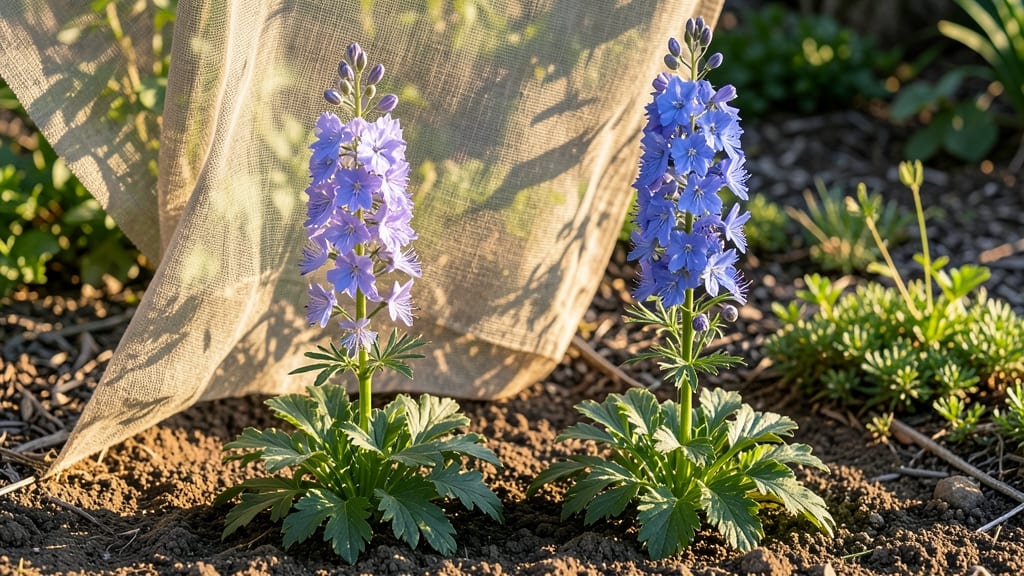
Delphiniums thrive best in either full sun or partial shade, depending on your climate and the variety you choose — the key to taller stems and longer blooms lies in matching their needs.
Struggling to decide whether your 🌱 delphiniums should bask in sunlight or thrive in shade? The right light conditions can transform these stunning perennials from underwhelming to show-stopping—with blooms reaching heights of 3 to 5 feet and vibrant colors that last all summer.
In hotter climates, afternoon shade protects delicate petals from scorching, while cooler regions benefit from full sun to fuel their dramatic growth. Some varieties even adapt to both, making them versatile for any garden spot.
Below, I’ll break down which delphiniums prefer sun, which tolerate shade, and how to adjust care for each—so you can enjoy bold, healthy blooms no matter where you plant them.
 Best Window Placement
Sun-loving delphinium varieties: best for full sun exposure
If you're dreaming of towering delphiniums with vibrant blooms that command attention in your garden, full sun is your best friend. These sun-loving varieties thrive when given 6-8 hours of direct sunlight, producing long-lasting flowers from early summer to fall.
I’ve grown these beauties in my own garden, and the difference between sun-soaked and shaded plants is night and day.
For gardeners in hot, dry climates, Pacific Giants are a must-plant—they handle intense sunlight better than most varieties while still delivering 4-6 foot spikes of blue, purple, and white blooms.
Their thick stems also resist flopping, making them ideal for cut flower arrangements that last weeks in a vase.
Let’s dive into the top sun-loving delphinium varieties and the care secrets to keep them blooming like crazy all season.
My Black Knight delphiniums are the showstoppers in my garden, with their velvety purple-black blooms that contrast beautifully against silver foliage. These varieties love hot afternoons but still produce bold, long-lasting flowers.
The key is to water deeply in the morning to keep roots cool and prevent bud blast—a common issue in full sun.
For dwarf varieties like Fairy Wings, full sun brings out their delicate pastel blooms in abundance. These are perfect for container gardens or border plantings where you want color without the height. I’ve seen them thrive in south-facing windows too, making them versatile for urban gardeners.
When planting sun-loving delphiniums, focus on well-draining soil mixed with compost to retain moisture without waterlogging. Amend heavy clay with sand or perlite—my Pacific Giants nearly flopped last year until I improved drainage. Mulch heavily with organic matter to keep roots cool and suppress weeds.
Don’t forget to stake your tall varieties before they reach half their mature height. I use soft ties and bamboo stakes to support Mystic Blue, which can get top-heavy with heavy blooms. This prevents stem breakage during summer storms—a lesson I learned the hard way!
For continuous blooming, deadhead spent flowers regularly. I make it a habit to snip off faded blooms every 2-3 days during peak season. This encourages new flower production and keeps your delphiniums looking fresh and tidy all summer long.
If you live in a hot, humid climate, consider afternoon shade during the peak heat (1-4 PM) to prevent leaf scorch. My Blue Bird delphiniums in the Southeast do best with morning sun and afternoon shade—they still produce vibrant blooms without the stress.
With the right sun exposure and care routine, your delphiniums will reward you with stunning, long-lasting blooms that turn heads all season. Start with Pacific Giants or Black Knight for maximum impact, and don’t hesitate to experiment with dwarf varieties for smaller spaces.
Shade-tolerant delphiniums: growing stunning blooms in partial shade
Not all delphiniums require full sun to thrive—some stunning varieties actually prefer partial shade, especially in hot climates. Belladonna and Blue Sky delphiniums are perfect for lower-light gardens, offering vibrant blooms without the risk of scorching.
These shade-tolerant types often produce longer stems and more delicate flowers than their sun-loving cousins.
When growing delphiniums in partial shade, focus on morning sunlight and dappled afternoon shade. East-facing spots or areas under light tree canopies work beautifully. Avoid deep shade, as this can lead to leggy growth and fewer blooms.
With the right conditions, these varieties can still reach 3 to 5 feet tall while showcasing their signature spike-like flowers.
Delphiniums in Partial Shade: Pros & Cons
- Prevents scorching in hot climates
- Encourages taller stems with better flower density
- Reduces water needs in some cases
- Works in woodlands or under trees
- Fewer blooms than full-sun varieties
- Requires richer soil for nutrients
- Risk of flopping in heavy shade
- Slower growth compared to sun-exposed plants
Choose Belladonna or Blue Sky for partial shade success, and always ensure well-draining soil to prevent root rot.
For shade-tolerant delphiniums, prioritize fertile, well-draining soil with a slightly alkaline pH (7.0-7.5). Amend your garden bed with compost or aged manure to provide essential nutrients.
These varieties are heavy feeders, so apply a balanced fertilizer (10-10-10) in early spring and again after the first flush of blooms.
Spacing is key when planting shade-loving delphiniums. Give each plant 18 to 24 inches of space to prevent overcrowding, which can lead to fungal diseases in damp conditions.
Stake taller varieties early to support their top-heavy blooms, especially in windy areas. Mulch around the base with organic matter to retain moisture and regulate soil temperature.
Watering needs vary slightly in partial shade, but aim to keep the soil consistently moist without waterlogging. Water deeply once or twice weekly, depending on your climate.
In hotter regions, morning watering helps prevent foliar diseases that thrive in damp, shaded conditions. Avoid overhead watering to keep blooms dry and vibrant.
Deadhead spent blooms regularly to encourage continuous flowering throughout the season. In late fall, cut back the foliage by half to tidy the plant, but leave some stems for winter interest.
These shade-tolerant varieties are hardy perennials, so they’ll return year after year with proper care and well-draining soil.
With the right shade-tolerant variety, nutrient-rich soil, and proper spacing, you can enjoy show-stopping delphinium blooms even in lower-light gardens. Experiment with Belladonna’s deep purple or Blue Sky’s soft lavender to add height and drama to your shady garden corners.