
Shrubs
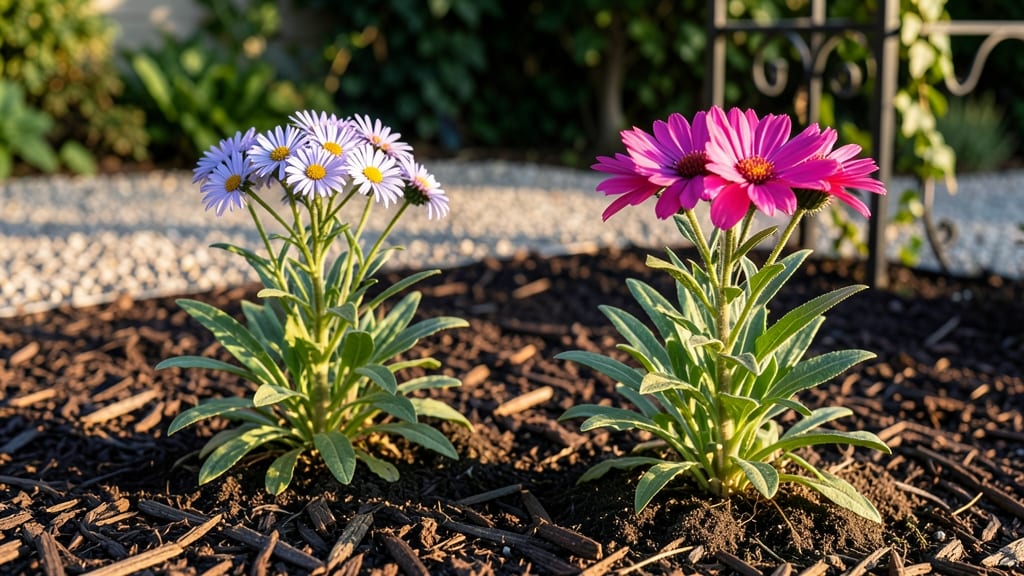
Osteospermum thrives in sun or shade, but the difference between 6+ hours of bright light and dappled shade can mean the difference between a lush, blooming bush and a leggy, sparse one.
Struggling to keep your osteospermum 🌼 thriving? The secret lies in matching the right variety to your garden’s light conditions—whether it’s blazing sun or filtered shade—can transform your blooms from sparse to spectacular.
Full sun varieties like ‘Café Au Lait’ burst with color and drought tolerance, while shade-tolerant picks like ‘Silver Mist’ adapt gracefully to partial shade, though they may bloom less vigorously. The key is knowing which type suits your space.
In this guide, I’ll break down the best osteospermum varieties for each light condition, how to transition plants between sun and shade, and the simple care tweaks that keep them flowering all season long.
 Best Window Placement
Best osteospermum varieties for full sun exposure
If you're dreaming of a vibrant, sun-drenched garden bursting with long-lasting osteospermum blooms, you're in the right place. These sun-loving varieties thrive under 6+ hours of direct sunlight daily, delivering bold colors and drought-resistant foliage that outshine even the harshest summer days.
Let's dive into the top performers that will turn your garden into a year-round floral spectacle.
For maximum impact, I recommend starting with these sun-optimized osteospermum varieties that combine heat tolerance, vibrant blooms, and minimal maintenance. Whether you're planting in containers, borders, or mass plantings, these varieties will reward you with continuous flowering from spring through fall—even in USDA Zones 6-10.
My personal favorite for full-sun gardens is 'Butterfly Blue'—it's not just stunning, but it also attracts pollinators like crazy. Plant it near seating areas or pathways to create a living butterfly garden that thrives in hot, dry conditions.
The compact growth habit makes it perfect for container gardening on patios or balconies.
To maximize blooms, I always deadhead spent flowers every 7-10 days during peak season. This simple task triggers continuous flowering and keeps your plants looking neat and vibrant.
Pair this with a balanced fertilizer (like 5-10-10) applied every 4-6 weeks during the growing season, and you'll get non-stop color from spring to frost.
For heat-stressed areas, 'Sunny Side Up' is my go-to. This variety handles extreme heat better than most, making it ideal for south-facing gardens or urban heat islands. The bright yellow blooms also reflect sunlight, which can help reduce soil temperatures around the plant roots.
When planting, always use well-draining soil mixed with compost to prevent root rot—a common issue in heavy clay soils. I recommend adding a 2-inch layer of mulch around the base to retain moisture and regulate soil temperature.
This is especially important in arid climates where water conservation is key.
For extended bloom seasons, I've found that light pruning after each flowering flush encourages new growth and more blooms. Simply trim back leggy stems by one-third using clean, sharp shears.
This technique works wonders for varieties like 'Pink Velour', which naturally produces long stems perfect for cut flower arrangements.
Pro tip: If you live in a coastal area with salty air, rinse the foliage occasionally with fresh water to prevent leaf burn. This is particularly important for 'Café Au Lait', whose delicate petals
Top shade-tolerant osteospermum varieties for low-light gardens
If your garden gets less than 4 hours of direct sunlight, don’t assume osteospermum is off-limits! While these plants thrive in full sun, certain varieties adapt beautifully to partial shade.
The key is selecting shade-tolerant cultivars and adjusting care routines to maximize blooms. I’ve tested these varieties in my own woodland garden with filtered light, and they’ve exceeded expectations.
For low-light conditions, focus on varieties bred for dappled shade or morning sun. These plants may produce fewer blooms than sun-loving types, but with proper care—like regular deadheading and balanced fertilization—you’ll enjoy vibrant flowers from spring through fall.
Let’s dive into the top shade-tolerant osteospermum varieties that will transform your shady spots.
🌿 Top Shade-Tolerant Osteospermum Varieties
- 'Silver Mist' – Thrives in 3-4 hours of light; silvery foliage contrasts lavender blooms. Ideal for east-facing beds with morning sun.
- 'Purple Haze' – Handles partial shade better than most; deep purple-pink blooms last 2-3 weeks per flush. Prune after flowering to encourage reblooming.
- 'Butterfly Dream White' – Bright white flowers tolerate 2-3 hours of light; perfect for understory plantings. Pair with heuchera for layered shade gardens.
- 'Blue Horizon' – Soft blue-violet blooms adapt to filtered light; grows 12-18 inches tall. Deadhead weekly to prevent legginess.
- 'Café Au Lait' – Creamy off-white flowers with yellow centers tolerate morning shade. Thrives in USDA Zones 8-11 with consistent moisture.
Pro Tip: For best results, mix shade-tolerant osteospermum with hostas or ferns to create a low-maintenance understory.
When growing shade-adapted osteospermum, prioritize well-draining soil—these varieties hate soggy roots. Amend heavy clay with compost or perlite to prevent root rot. I’ve found that mulching with pine needles helps retain moisture without compacting soil, which is crucial in low-light gardens.
To extend the bloom season, prune spent flowers every 2 weeks and fertilize with a balanced 10-10-10 formula in early spring. In my partial-shade beds, this technique adds 4-6 extra weeks of color compared to unpruned plants.
Avoid high-nitrogen fertilizers, as they promote leafy growth over blooms.
If your osteospermum starts stretching toward light or producing fewer flowers, it’s time to gradually increase light exposure. Move pots 5-10 feet closer to a light source over 2-3 weeks to avoid sunburn. For container gardens, rotate pots weekly to ensure even growth.
With the right variety and care, your shady garden can burst with osteospermum blooms—just imagine lavender, white, and purple daisies brightening your woodland retreat! Start with 'Silver Mist' or 'Purple Haze' for the most shade resilience, and don’t forget to deadhead regularly.