
Orchid Care
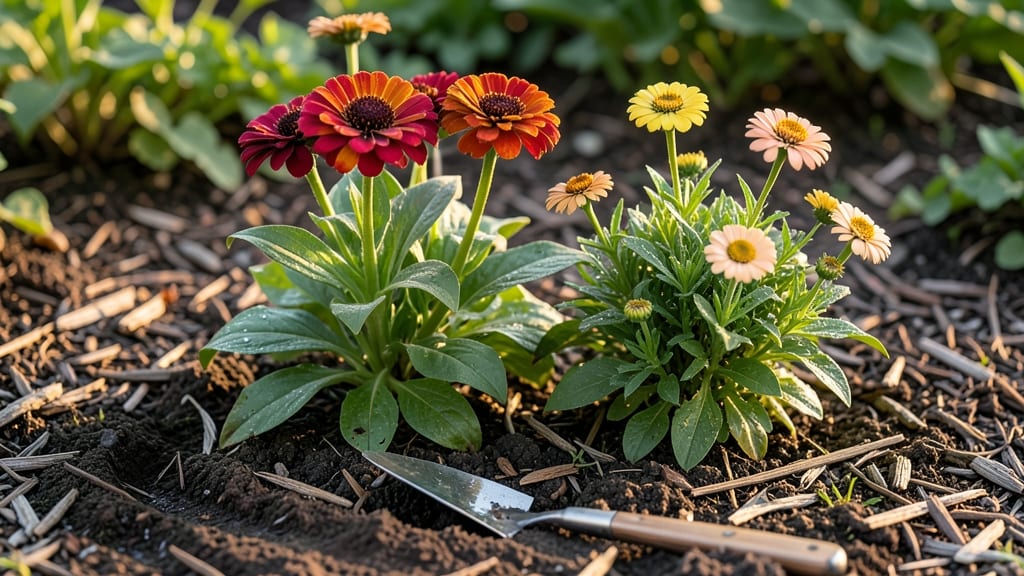
Zinnias thrive in full sun but can also handle partial shade, making them one of the most adaptable flowers for your garden 🌼.
If you’ve ever planted zinnias only to watch them wilt or refuse to bloom, you might be dealing with light conditions that don’t suit their needs. The right variety and care adjustments can turn a struggling patch into a vibrant display.
Some zinnias, like 'Benary’s Giant,' demand full sun to reach their towering heights and burst with color, while others, such as 'Profusion,' tolerate partial shade better. Knowing which type fits your garden’s lighting will save you time and frustration.
In this guide, you’ll discover the best zinnias for sun or shade, how to adjust care for peak performance, and even how to transition plants if your garden’s light changes. Let’s get those blooms going strong!
 Best Window Placement
Best zinnia varieties for full sun exposure and blooming success
If you're dreaming of a garden bursting with bold, long-lasting blooms, sun-loving zinnias are your best bet. These varieties thrive under 6-8 hours of direct sunlight, producing vibrant flowers from summer through fall.
The key to success? Choosing the right variety and providing consistent care tailored to their needs. Let's explore the top full-sun zinnias that will keep your garden colorful all season.
Zinnias like 'Benary’s Giant' and 'State Fair' are legendary for their heat tolerance and prolonged blooming. These varieties not only handle full sun beautifully but also reward you with large, showy blooms that cut flowers love.
For smaller spaces, 'Crystal' zinnias offer delicate charm while still demanding plenty of sunlight. Whether you're a beginner or a seasoned gardener, these sun-hungry varieties will transform your garden into a floral paradise.
Before planting, prepare your soil with well-draining compost to ensure roots stay healthy. Zinnias in full sun need consistent moisture during establishment but become drought-tolerant once mature. Pair this with regular deadheading—removing spent blooms—to encourage nonstop flowering. Let's dive into the best varieties and their specific care requirements.
| Variety | Height | Bloom Duration | Heat Tolerance | Care Tips |
|---|---|---|---|---|
| Benary’s Giant | 3-4 ft | June-October | Excellent | Stake tall stems; deadhead weekly |
| State Fair | 2-3 ft | July-September | Very High | Pinch early for bushiness; fertilize monthly |
| Crystal | 1-2 ft | June-October | Good | Space 6-8 inches apart; water at base |
| Envy | 1-2 ft | July-September | High | Drought-resistant; minimal deadheading |
| Profusion Series | 1-2 ft | June-October | Very High | Compact growth; ideal for containers |
'Benary’s Giant' zinnias are the showstoppers of the group, reaching heights of 3-4 feet with 6-inch blooms that attract pollinators like butterflies. These varieties love hot, sunny days and will reward you with continuous blooms from June through October. To keep them thriving, plant them in well-amended soil and provide support with stakes or cages as they grow taller.
For a more compact option, 'Crystal' zinnias offer delicate, lacy flowers that still thrive in full sun. These 1-2 foot tall varieties are perfect for borders or containers. Their heat tolerance makes them ideal for southern gardens, and their long bloom time ensures color from early summer to frost.
Space them 6-8 inches apart to allow airflow and prevent disease.
Watering zinnias in full sun requires a balanced approach. While they need consistent moisture during establishment, overwatering can lead to root rot. Aim for deep watering every 3-5 days, focusing on the soil base rather than the foliage.
Early morning watering helps prevent fungal issues while keeping roots hydrated. Once established, these sun-loving plants become surprisingly drought-tolerant.
Deadheading—removing spent blooms—is the secret to nonstop zinnias. This simple task encourages new flower production and keeps your plants looking their best. Spend just 10 minutes weekly snipping off faded blooms, and you'll enjoy a continuous display of color.
For varieties like 'State Fair', pinching back the tips of young plants promotes bushier growth and more blooms.
Fertilizing zinnias in full sun should be done sparingly. A balanced 5-10-10 fertilizer applied every 4-6 weeks provides just enough nutrients without encouraging excessive foliage growth at the expense of flowers.
Avoid high-nitrogen fertilizers, which can lead to leafy, leggy plants with fewer blooms. Instead, focus on phosphorus and potassium to support robust flowering.
If you're growing zinnias in containers, choose varieties like 'Profusion Series', which are bred for compact growth and heat tolerance. These zinnias thrive in full-sun locations like patios or balconies, producing abundant blooms with minimal care.
Use well-draining potting mix and water more frequently than in-ground plants, as containers dry out faster in the sun.
Shade-tolerant zinnia varieties that still deliver stunning flowers
Not all zinnias need full sun to shine! While most varieties crave 6-8 hours of sunlight, these shade-tolerant zinnias adapt beautifully to partial shade (3-6 hours of light). Perfect for woodland gardens or container setups near trees, they still produce vibrant blooms with the right care.
My top picks? 'Zahara,' 'Profusion,' and 'Crystal'—each with unique charm and resilience.
These varieties thrive in 3-6 hours of light but may produce fewer blooms than sun-loving cousins. The key to success? Rich, well-draining soil and proper spacing to prevent competition. I’ve grown these in my dappled shade garden for years, and with a few tweaks, you can too.
Let’s dive into the specifics of each variety and how to maximize their potential.
Shade-Tolerant Zinnia Varieties: Pros & Cons
'Zahara' Zinnia
- Pros: Heat-tolerant, disease-resistant, long bloom time
- Cons: Slower growth in deep shade, needs staking for taller varieties
'Profusion' Zinnia
- Pros: Compact size, prolific blooms, great for containers
- Cons: Sensitive to overwatering, shorter bloom season in shade
'Crystal' Zinnia
- Pros: Unique crystal-like centers, long stems for cutting, adapts to shade
- Cons: Requires frequent deadheading, bolder colors fade in low light
For soil prep, amend your garden beds with compost or aged manure to boost nutrients. Zinnias in shade need extra organic matter to compensate for reduced photosynthesis.
I mix in 1 inch of compost at planting time and top-dress with mulch to retain moisture. Well-draining soil is non-negotiable—these varieties hate soggy roots!
Spacing matters too! In partial shade, plant 'Zahara' and 'Crystal' varieties 12-18 inches apart to allow airflow and prevent fungal issues. 'Profusion', being more compact, can handle 8-12 inches of space.
Overcrowding stresses plants, leading to fewer blooms and pale foliage. Thin seedlings early to avoid competition.
Light adjustments can work wonders. If your zinnias start looking leggy or sparse, move them to a sunnier spot gradually over 1-2 weeks. Sudden changes shock plants. I’ve seen 'Zahara' double its bloom count by relocating it to morning sun with afternoon shade.
Monitor their response—if leaves yellow or stems weaken, they’re still struggling with light.
Deadheading is critical for shade-grown zinnias. Remove spent blooms weekly to encourage new flowers. In low light, zinnias produce fewer blooms naturally, so this step maximizes your display.
Pair deadheading with a light fertilizer application (5-10-10) every 4-6 weeks to support growth. Avoid heavy feeding—it can lead to leafy growth at the expense of flowers.
With these shade-tolerant zinnias, you can enjoy bold blooms even in tricky light conditions. Experiment with soil amendments, spacing, and light adjustments to find the perfect balance.
My dappled shade garden now bursts with color thanks to these resilient varieties—proof that zinnias aren’t just for sunny spots! 🌿