
Light Requirements
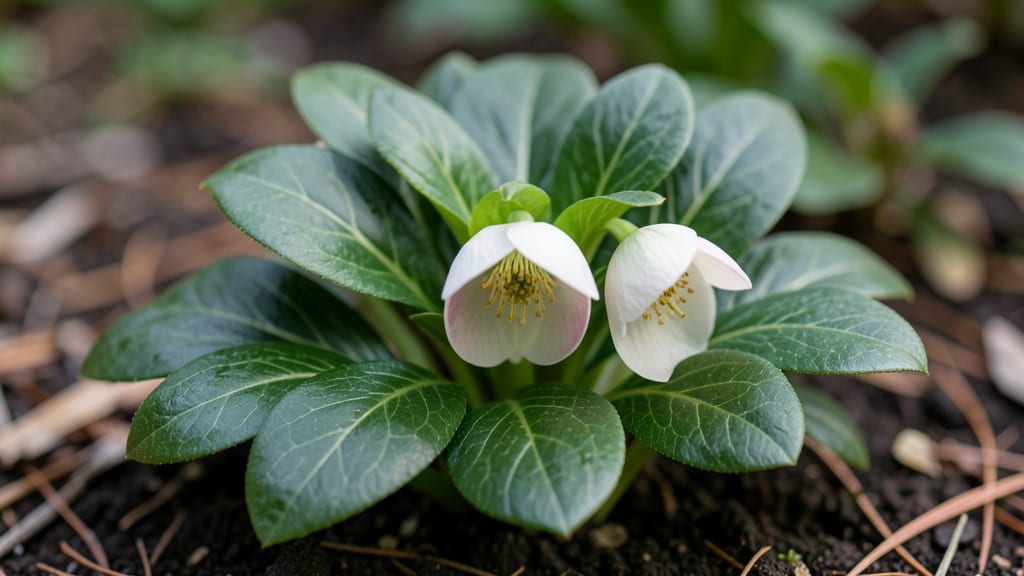
My part-shade garden used to be a deer buffet—until I discovered these deer-resistant perennials that thrive where others fail. 🌿 The secret lies in their strong fragrance, fuzzy foliage, or toxic compounds that deer instinctively avoid, while still delivering bold blooms and lush textures that make your garden the envy of the neighborhood.
Think heuchera with its chartreuse, purple, or silver leaves that stay vibrant all season, astilbe with feathery plumes in pink or white, or foamflower (tiarella) that carpets the ground with delicate foliage and tiny white flowers.
These plants handle zones 3-8 and flourish in 3-6 hours of dappled light, making them perfect for woodland edges or foundation plantings.
By the second year, you’ll have a low-maintenance garden that deer ignore but pollinators adore. The key is pairing these tough perennials with complementary foliage—like hosta or ferns—to create layers that deer can’t resist avoiding.
Plus, their fragrant leaves double as natural pest deterrents, so you’ll spend less time spraying and more time enjoying your garden.
Whether you’re lining a path, filling a shady border, or creating a woodland retreat, these perennials deliver year-round interest with minimal effort. Here’s how to combine them for maximum impact—and keep those deer at bay.
📚 In This Guide
- What you need
- Instructions
- Tips and common mistakes
- Wrapping up and next steps
What you need
- ● Deer-resistant perennial plants (5–10+ varieties): 1–3 Hellebores (Lenten rose) – 3–5 plants
- ● 1–2 Astilbes (False spirea) – 3–5 plants
- ● 1 Lungwort (Pulmonaria) – 3–5 plants
- ● 1 Foxglove (Digitalis) (mildly deer-resistant) – 3 plants
- ● 1–2 Bleeding Heart (Dicentra) – 3–5 plants
- ● 1 Japanese Painted Fern (Athyrium) – 3 plants
- ● Organic mulch: 2–3 bags (shredded bark, pine needles, or straw)
- ○ Compost or slow-release fertilizer: 1–2 bags (optional but recommended for nutrient boost)
- ● Garden trowel – For precision planting
- ● Hand pruners or shears – For trimming and shaping
- ○ Garden gloves – 1 pair (optional but handy!)
- ● Watering can or hose with spray nozzle – For gentle hydration
- ● Measuring tape or ruler – For spacing plants correctly
- ○ Garden fork or spade – For loosening soil (optional if soil is already soft)
- ● A part-shade garden spot (4–6 hours of sunlight daily, with dappled shade or morning sun)
- ● Well-draining soil (amend with compost if clay-heavy)
- ○ Deer deterrent barriers (optional but helpful): Chicken wire or fencing (temporary)
- ● Deer repellent spray (apply after planting)
Step-by-Step guide to designing a deer-resistant part-shade perennial garden
Here's how to create a lush, low-maintenance garden that thrives in shade while keeping deer from turning it into a buffet.
🌱 Step 1: Choose the Right Deer-Resistant Perennials for Part Shade
Start with plants that naturally repel deer through strong fragrance, fuzzy foliage, or toxic compounds. My top picks for part shade include heuchera (with its crinkled, leathery leaves), astilbe (delicate plumes deer avoid), and lamium (minty scent they dislike). Other winners are tiarella (foamflower), ferns (like Japanese painted), and coral bells (heuchera)—all thrive with 3-6 hours of filtered light daily.
I always check the mature height and spread of each plant to avoid overcrowding. For example, astilbe reaches 2-3 feet tall but stays compact, while tiarella spreads 1-2 feet wide. Sketch a rough layout first to visualize how they'll interact. Deer-resistant doesn't mean boring—mix textures like the velvety foliage of Hosta 'Blue Angel' with the airy plumes of astilbe for visual interest.
🪴 Step 2: Prepare the Soil for Healthy, Resilient Plants
Deer-resistant perennials need well-draining, fertile soil with 2-3 inches of organic matter mixed in. I use a blend of compost, leaf mold, and a handful of bone meal per planting hole to boost phosphorus for strong roots. Test your soil's pH—most shade-loving perennials prefer 6.0-7.0. If your soil is heavy clay, amend it with 1 part perlite to 3 parts soil to improve drainage.
Dig planting holes twice as wide as the root ball but only as deep as the container. Gently loosen the roots if they're circling and place the plant so the top of the root ball sits ½ inch below soil level. This ensures stability and prevents water pooling around the crown. Water deeply right after planting to settle the soil and eliminate air pockets.
☀️ Step 3: Plant Strategically for Maximum Deer Deterrence
Cluster deer-resistant plants together in odd-numbered groupings (3, 5, or 7) to create visual impact and confuse deer. Place taller varieties like astilbe or ligularia in the back, medium-height heuchera or tiarella in the middle, and low-growing lamium or ajuga in front. Add 1-2 strongly fragrant plants like catmint or Russian sage at the edges—their scent alone can deter deer.
Leave 12-18 inches of space between plants to allow airflow and reduce humidity, which can invite fungal diseases. Mulch with 3 inches of shredded bark or pine needles to suppress weeds and retain moisture. Avoid fresh wood chips, as they can tie up nitrogen in the soil. Replenish mulch annually in early spring to maintain protection.
💧 Step 4: Water and Maintain for Long-Term Deer Resistance
Water deeply once a week during the first growing season to establish roots, then taper to every 10-14 days once established, depending on rainfall. Deer are less likely to browse well-watered plants, so aim for 1 inch of water per week. Use drip irrigation or soaker hoses to deliver water at the soil level—this prevents leaf wetness, which can attract slugs (another pest deer might follow).
Fertilize lightly in early spring with a balanced, slow-release fertilizer (10-10-10) to encourage lush growth without making plants more appealing to deer. Avoid high-nitrogen fertilizers, which produce tender, palatable foliage. Deadhead spent blooms on astilbe and heuchera to encourage a second flush of flowers and maintain neatness. Prune back any leggy growth in late winter to promote bushier, more deer-resistant foliage.
✂️ Step 5: Add Natural Deer Deterrents for Extra Protection
Complement your plant choices with physical and olfactory deterrents. Plant garlic, rosemary, or Russian sage at the garden's perimeter—their strong scents confuse deer and mask the smells of your perennials. Install motion-activated sprinklers or deer-resistant fencing (8 feet tall) if deer are a persistent problem in your area. I also use granular deer repellent (like those containing putrescent egg solids) around the garden edges—reapply after heavy rain.
Monitor your garden regularly for signs of deer browsing, such as cleanly clipped leaves or missing plants. If you spot damage, reinforce deterrents immediately. Over time, deer will learn to avoid your garden entirely. The key is consistency—combine the right plants with smart maintenance, and you'll create a shade garden that thrives without becoming a deer buffet.
Tips & tricks for perfect deer-resistant part-shade gardens
Creating a deer-proof shade garden takes more than just planting the right species—it's about strategic placement and maintenance that deer simply can't resist avoiding. Here's what I've learned after years of testing these workhorses in my own yard.
Plant Layering for Maximum Impact: The key to deer deterrence lies in how you arrange your plants. In Step 3, when clustering your odd-numbered groupings, place the most fragrant varieties like Russian sage or catmint at the garden's perimeter—their scent creates a natural barrier. I've found that deer will often bypass an entire garden if they encounter these strong aromas first. For the center, mix heuchera with Hosta 'Blue Angel'—the velvety texture and slight toxicity of hostas make them particularly unappealing, while heuchera's crinkled leaves add visual interest without sacrificing deer resistance.
Soil Amendments That Make All the Difference: The soil preparation in Step 2 is where you set your plants up for success. Beyond the basic 2-3 inches of organic matter, I recommend adding a handful of greensand to each planting hole—it provides potassium that strengthens cell walls, making foliage less tender and more unpalatable to deer. For clay soils, mix in 1 part perlite to 3 parts soil to create that perfect well-draining environment. I've noticed that plants grown in properly amended soil develop thicker leaves and more robust stems, which deer find far less appealing than their softer counterparts.
Watering Strategy That Confuses Deer: Deer have learned that well-watered plants are often more nutritious. In Step 4, when you water deeply once a week during establishment, consider adding a small amount of liquid seaweed extract to your watering can—it strengthens plant resilience without making them more palatable. The key is consistency: deer are creatures of habit and will avoid areas where they consistently find plants well-hydrated. I've seen deer completely ignore gardens where I maintain that 1 inch of water per week guideline, while they'll browse heavily in neglected areas just a few feet away.
Seasonal Maintenance That Keeps Deer Away: The little details in Step 5 make all the difference. When pruning back leggy growth in late winter, I always leave the stems slightly longer than you might think—about 3-4 inches—to maintain that bushy, dense growth pattern that deer find unattractive. And for mulching, I've found that cedar chips work even better than pine needles—they release natural oils that deer dislike while providing excellent weed suppression. Reapply your mulch in early spring before new growth appears, and you'll create a protective barrier that lasts the entire season.
Pro Tips for Deer Resistant Part Shade Perennials
- Creating a deer-proof shade garden takes more than just planting the right species—it's about strategic placement and maintenance that deer simply can't resist avoiding.
- Plant Layering for Maximum Impact: The key to deer deterrence lies in how you arrange your plants.
- Soil Amendments That Make All the Difference: The soil preparation in Step 2 is where you set your plants up for success.
Frequently asked questions
Got questions about deer-resistant part-shade perennials?
You’re not alone! Here are some of the most common concerns—and answers—to help you plan with confidence.
What are the most deer-proof perennials for part shade?
While no plant is 100% deer-proof, these are the toughest picks: heuchera (coral bells), astilbe, foamflower (tiarella), Japanese painted fern, and lamium (dead nettle). Deer usually avoid their strong fragrance, fuzzy textures, or toxic compounds. Pair them with allium or fritillaria for extra deterrence!
When is the best time to plant deer-resistant perennials in part shade?
Plant in early spring or early fall for the best root establishment. Avoid extreme heat or frost—deer are less active in winter, but newly planted perennials need time to toughen up. Pro tip: Mulch heavily (2–3 inches) to protect roots and discourage browsing.
What if deer still eat my part-shade perennials?
Don’t panic! Try these fixes:
- Add physical barriers like chicken wire or fencing (even temporary 4-foot tall) around new plantings.
- Use deer repellents (spray-on or granular) with rotten egg or putrescent garlic scents—reapply after rain.
- Plant sacrificial "deer magnets" like hostas or daylilies nearby to lure them away.
If deer persist, consider deer-resistant shrubs (like boxwood or inkberry holly) as a hedge.
Are there any annuals that deer avoid in part shade?
Yes! While perennials are ideal, try these annuals for quick color:
- Lobelia (mildly toxic)
- Sweet alyssum (bitter taste)
- Snapdragons (often ignored)
- Coleus (strong scent deters them)
They won’t replace perennials long-term but can fill gaps while deer-resistant plants establish.
Will deer-resistant perennials still attract other pests?
Most deer-resistant plants are low-maintenance, but watch for:
- Slugs/snails (common in shade—use beer traps or iron phosphate bait).
- Aphids on astilbe or lamium (blast off with water or introduce ladybugs).
- Powdery mildew in humid shade (improve airflow, avoid overhead watering).
Deer resistance ≠ pest-proof—just less trouble!
Wrapping up and next steps
Transforming your part-shade garden into a deer-proof paradise doesn’t have to be a challenge—just a strategic choice! With these hardy, blooming perennials, you’re not only warding off hungry visitors but also adding year-round beauty and texture to your space. 🌿✨
Ready to take the next step? Start by sketching your garden layout, then shop for plants or propagate your favorites. Whether you’re a seasoned gardener or just beginning, these resilient picks make the process effortless and rewarding.