
Shrubs
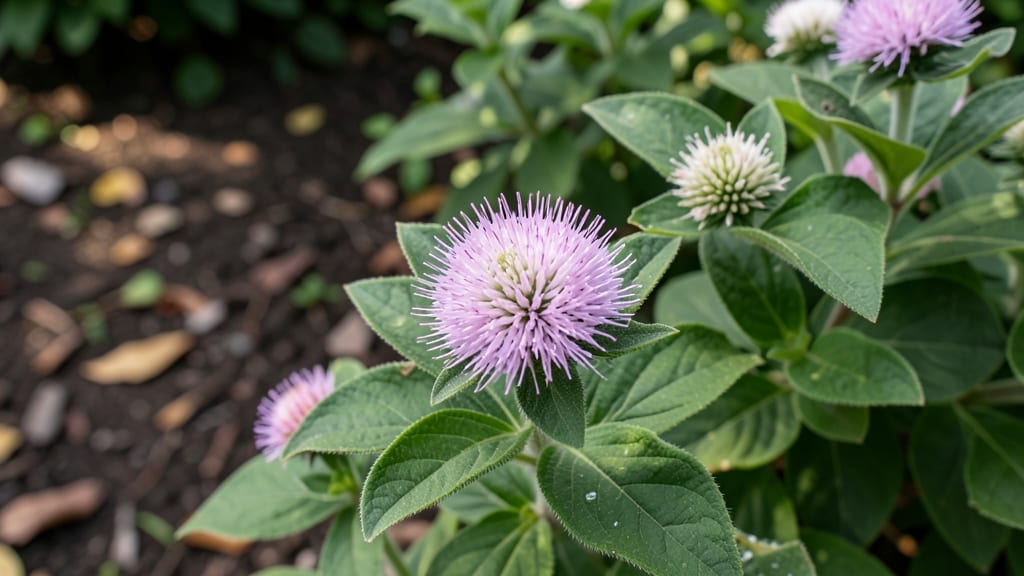
Deer-resistant shrubs for shade thrive in low-light conditions while deterring browsing through tough foliage, strong scents, or toxic compounds like boxwood, inkberry holly, and ninebark. Choose varieties with fuzzy leaves or milder flavors to minimize deer interest.
Deer-resistant shrubs for shade aren't just about survival—they use clever defenses like prickly leaves, pungent aromas, or even natural toxins to keep deer away. 🌿 For example, boxwood's waxy coating and inkberry holly's sharp thorns create physical barriers, while ninebark's fuzzy foliage makes it less appealing.
These plants also thrive in dappled sunlight, making them perfect for understory planting where deer might otherwise graze. The key is selecting varieties that combine both shade tolerance and deer-deterrent traits, ensuring your landscape stays lush without becoming a deer buffet.
When planting these shrubs, focus on well-draining soil and proper spacing to prevent overcrowding. Most deer-resistant shade plants prefer consistent moisture but can handle occasional dry spells once established. Pruning in late winter or early spring helps maintain their dense growth patterns, which naturally discourages browsing. 💫
💡 In This Article
- Why These Shrubs Naturally Repel Deer
- Planting and Maintenance Tips for Shade-Tolerant Deer-Resistant Shrubs
Why these shrubs naturally repel deer
Deer avoid certain shrubs primarily because of their chemical defenses and physical deterrents. Plants like boxwood produce alkaloids—bitter, toxic compounds that make them unpalatable. Inkberry holly, for example, contains tannins (up to 12% in dried leaves), which create an astringent flavor deer find unpleasant.
These compounds aren't just random—they evolved as natural pesticides to protect the plant from herbivores, including deer.
The leaf texture also plays a critical role. Shrubs with fuzzy or waxy foliage, such as ninebark (Physocarpus opulifolius), have tiny hairs that irritate a deer's mouth, making chewing uncomfortable. Meanwhile, thorny varieties like holly (Ilex spp.) create physical barriers that deter browsing.
Even the scent matters—strong aromatic oils in plants like dwarf lilac (Syringa meyeri) release volatile compounds that deer associate with danger or poor nutrition.
Deer rely heavily on visual cues and taste when foraging. A shrub with glossy, dark leaves (like inkberry) might appear less appealing than soft, green options. The bitter taste of boxwood, for instance, can trigger an immediate rejection response in deer, similar to how humans spit out bitter foods.
This is why milder-flavored varieties (like spirea) are less likely to be browsed—deer prefer plants that taste sweet or neutral.
Another key factor is plant structure. Deer tend to avoid shrubs with dense, multi-stemmed growth because it's harder to access the leaves. Ninebark, for example, grows in clusters of thin stems, making it less inviting than a single, broad-leaved plant.
This architectural defense works alongside chemical deterrents to create a double layer of protection against browsing.
Interestingly, deer behavior also depends on seasonality. In late winter or early spring, when food is scarce, even normally resistant shrubs may be targeted. However, during peak growing seasons (spring to fall), the combination of chemical defenses, texture, and scent makes these shrubs far less appealing.
Understanding these mechanisms helps you select the toughest varieties for your shade garden.
For example, Japanese pieris (Pieris japonica) uses all three defenses: its leathery leaves are tough to chew, it contains alkaloids that deter herbivores, and its fragrant flowers (though not leaves) add an extra layer of scent-based protection.
This multi-pronged approach is why it consistently ranks as deer-resistant in low-light conditions.