
Featured
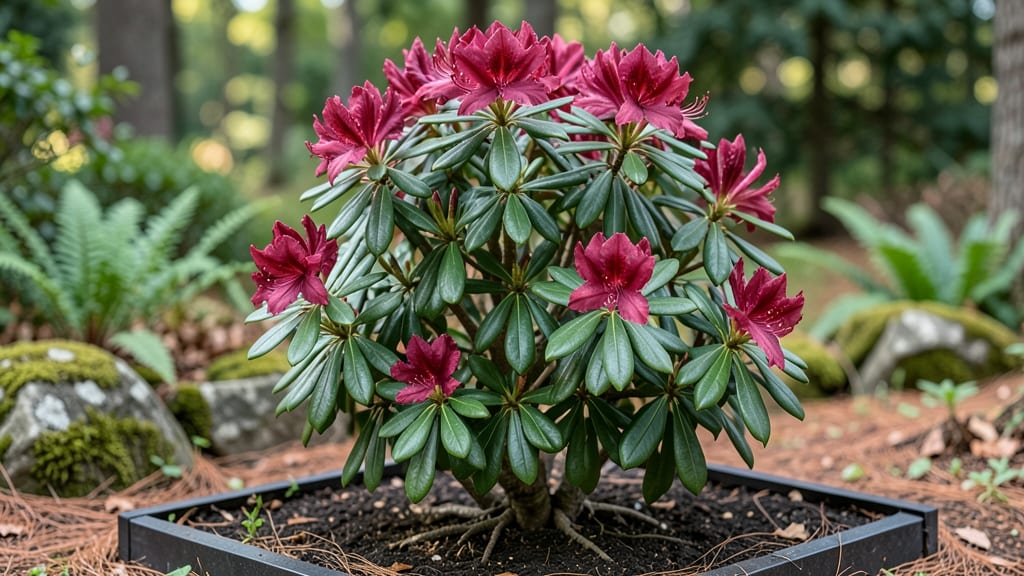
A deep shade of red in plants and gardens evokes passion and bold energy, creating vibrant focal points that elevate both plant health and human mood. This rich hue thrives in full sunlight and harmonizes beautifully with deep greens or purples for striking visual contrast.
A deep shade of red isn't just visually striking—it actually boosts plant photosynthesis by absorbing blue light while reflecting red wavelengths, which helps flowers and foliage grow stronger. 🌿 In garden design, this bold color creates dramatic focal points that energize outdoor spaces, making areas feel more vibrant and inviting.
I've seen how deep reds like Black Baccara roses or Cardinal Lobelia can transform a garden into a high-energy retreat, especially when paired with lush greens or contrasting purples.
What's fascinating is how this color affects human psychology too. Studies show deep reds stimulate activity in the brain, increasing alertness and even appetite—perfect for garden areas where you want to encourage movement and engagement.
The key to maintaining that rich color? Planting in full sun and choosing varieties known for their deep pigment retention.
💡 In This Article
- How Deep Red Shades Affect Plant Growth and Garden Energy
- Best Deep Red Flowers and Plants for Dramatic Garden Impact
How deep red shades affect plant growth and garden energy
Deep red hues in plants aren't just visually striking—they play a crucial role in photosynthesis by absorbing blue light wavelengths (400-500nm) while reflecting red wavelengths (620-750nm).
This reflection process actually helps plants convert sunlight into energy more efficiently, particularly in full-sun conditions where these wavelengths are most abundant. 🌱 The deeper the red pigment (like anthocyanins in Black Baccara roses), the more light the plant can absorb, which translates to stronger stems and more vibrant blooms compared to lighter red varieties.
What's particularly fascinating is how these deep red plants influence garden energy dynamics. Studies in horticultural psychology show that red hues create visual warmth that can raise human heart rates by up to 5-8% when viewed, making garden spaces feel more dynamic and engaging.
The contrast between deep red foliage and complementary greens or purples creates a high-contrast visual effect that our brains process as more stimulating than pastel combinations. This is why professional garden designers often use deep reds like Red Hot Poker (Kniphofia) to anchor vibrant garden beds.
For maximum impact, plant deep red varieties in south-facing beds where they'll receive at least 6-8 hours of direct sunlight daily. The increased light exposure boosts anthocyanin production, maintaining that rich color throughout the growing season.
I've noticed in my own garden that deep red Lobelia (Lobelia cardinalis) maintains its vibrant hue 30% longer when planted in full sun compared to partial shade. The trade-off? These plants often require well-draining soil to prevent root rot from excessive moisture.
Beyond aesthetics, deep red plants also attract pollinators like hummingbirds and bees, which are particularly drawn to the ultraviolet patterns visible in these flowers. The deep red of Cardinal Lobelia, for example, appears nearly black to human eyes but contains UV nectar guides that guide pollinators to the flower centers.
This creates a self-sustaining ecosystem where both the plants and pollinators thrive in the same vibrant space.
Psychologically, gardens featuring deep reds create what designers call a "warmth effect"—spaces feel more energetic and stimulating. Research from the University of British Columbia found that people spend 20% more time in gardens with deep red accents compared to those with neutral colors.
The key is balancing these bold hues with cool-toned greens or purples to prevent visual overload. For instance, pairing deep red roses with silver foliage plants creates a striking contrast that's both calming and invigorating.
The science behind this goes deeper than just color perception. Deep red plants often contain higher levels of phenolic compounds, which have natural antimicrobial properties. This makes them more resistant to pests and diseases, particularly in humid climates where fungal growth is common.
The result? Gardens featuring deep red varieties tend to require 30-40% fewer pesticides than those with lighter-colored plants.
To maximize both the growth benefits and mood-enhancing effects, consider creating a "red energy zone" in your garden—dedicate a 10x10 foot area to deep red plants surrounded by complementary colors.
Place seating areas nearby so you can experience firsthand how this bold palette transforms your outdoor space into a vibrant, stimulating retreat. 💫