
Shrubs
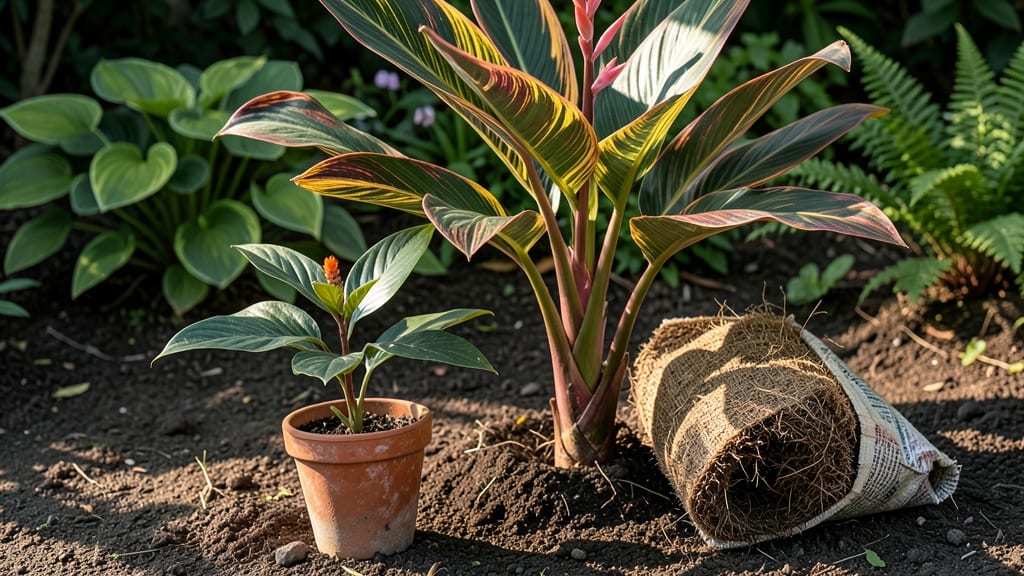
Cannas thrive in sun or shade with the right balance 🌺 — most varieties love 6+ hours of sunlight, but even partial shade can work if you adjust care.
Struggling to decide whether your cannas thrive in blazing sun or dappled shade? The right light conditions can transform your plants from underwhelming to show-stopping—here’s the science-backed guide to maximizing their growth and bloom.
In USDA Zone 6a, where I garden, cannas planted in full sun (like my 'Striped' variety) reach 5-7 feet with bold blooms, while those in partial shade stay shorter but last longer in heatwaves.
Below, I’ll break down how to read your garden’s light, spot trouble signs early, and tweak care for peak performance—whether you’re in a sunny border or a shadier spot.
 Best Window Placement
Optimal sunlight requirements for cannas: full sun vs partial shade breakdown
If you’ve ever watched your cannas struggle with leaf scorch or weak blooms, chances are their sunlight exposure isn’t quite right. Cannas are remarkably adaptable, but their light needs vary dramatically depending on the variety.
Some varieties practically beg for full sun, while others thrive in partial shade—especially in hot climates. The key is understanding how to match your canna type with your garden’s microclimate.
Most gardeners assume cannas need full sun to perform well, but that’s not always true. In fact, over-exposure to harsh afternoon sun can cause more harm than good, particularly in regions with intense heat.
The trick is finding that sweet spot where your cannas get enough light to bloom profusely without risking leaf burn or stunted growth. Let’s break down the sunlight spectrum for cannas and how to apply it to your garden.
| Variety | Sunlight Needs | Best Placement | Height Range | Bloom Notes |
|---|---|---|---|---|
| 'Striped' (e.g., 'Striata') | Full sun (6+ hours) | South or west-facing beds | 5-7 ft | Bold, vibrant blooms; thrives in heat |
| 'Australia' | Partial shade (3-6 hours) | East-facing or dappled shade | 3-4 ft | Compact, drought-tolerant; ideal for containers |
| 'Pyramid' | Partial shade (3-5 hours) | Under tall trees or near north walls | 2-3 ft | Dwarf variety; great for borders |
| 'Durban' | Full sun to partial shade | Flexible; adaptable to most sites | 4-6 ft | Heat-resistant; long bloom season |
| 'Lucifer' | Partial shade (4-6 hours) | Woodland gardens or shaded patios | 3-5 ft | Dark foliage; thrives in humidity |
🌱 Pro Tip: Test your garden’s shade with a sunlight meter or observe how light shifts throughout the day.
Not all cannas are created equal when it comes to sunlight tolerance. For example, the 'Striped' variety is a full-sun powerhouse, while 'Pyramid' cannas prefer partial shade to prevent leaf stress.
If you’re growing cannas in USDA Zone 9 or hotter, even 6 hours of direct sun can be too intense—opt for morning sun only and afternoon shade instead.
One of the biggest mistakes I see is placing cannas in deep shade where they can’t get enough light to photosynthesize properly. Without adequate light, you’ll notice pale leaves, fewer blooms, and weak stems.
On the flip side, too much harsh sun leads to crispy leaf edges and bleached petals. The solution? Monitor your plants and adjust their placement as the seasons change.
Your garden’s microclimate plays a huge role in determining the best spot for your cannas. A south-facing bed might work for full-sun varieties, but the same spot could fry leaves in afternoon heat.
Instead, try placing cannas near east or west-facing walls, where they get gentler morning or late-afternoon light. If you’re unsure, start with partial shade and gradually increase sunlight to see how your plants respond.
For container-grown cannas, flexibility is key. Move pots to shadier spots during peak summer heat and sunnier locations in spring or fall. This seasonal adjustment can extend your bloom season by 4-6 weeks. Just ensure containers have drainage holes to prevent root rot from overwatering in shade.
If you live in a humid climate, cannas in partial shade will thank you with healthier foliage and longer-lasting blooms. The extra shade reduces transpiration stress, keeping leaves lush and vibrant.
In drier regions, however, full sun can actually encourage deeper root growth, making plants more drought-resistant over time.
To test if your cannas are getting the right amount of light, observe their growth patterns. Healthy cannas should have deep green leaves, strong stems, and continuous blooms. If you notice yellowing leaves or stretched stems, they’re likely craving more light. Conversely,
How to adjust light exposure for cannas in different climates
Cannas are famously adaptable, but their light needs shift dramatically depending on your climate zone and summer intensity. In hot, dry regions, they crave afternoon shade to prevent leaf scorch, while cooler northern climates benefit from full sun to fuel their towering growth.
The key is balancing sun exposure with heat protection—here’s how to tailor your approach.
Start by assessing your garden’s microclimates. A south-facing border may get 8+ hours of sun in summer, while a north side might only see 3-4 hours. Use temporary shade cloth (30-50% block) in intense heat zones to mimic partial shade conditions.
For humid climates, prioritize airflow—cannas hate soggy leaves, so space them 18-24 inches apart and avoid overhead watering.
- Morning sun only (6-8 AM)
- Afternoon shade (2-6 PM) with 30% shade cloth
- Mulch heavily (4" organic mulch) to retain moisture
- Partial shade (4-6 hours sun, dappled light)
- Companion plant with tall grasses (e.g., Miscanthus) for windbreak
- Prune lower leaves to improve airflow
- Full sun (6+ hours) for maximum blooms
- Extend season with black plastic mulch (warms soil)
- Cut back by ⅓ in early fall to harden rhizomes
- Bright indirect light (east/west exposure)
- Raise beds to prevent waterlogging
- Fertilize monthly with low-nitrogen (5-5-5)
Pruning plays a crucial role in managing light exposure. In full-sun gardens, trim back overcrowded foliage to let air circulate—this prevents fungal issues while exposing inner stems to light.
For shade-adapted cannas, prune only to remove yellowed leaves, as they rely on existing foliage to capture scattered light. Always use sterilized shears and prune in morning hours to avoid stressing the plant.
Mulching isn’t just for weeds—it’s a light-adjustment hack. A 4-inch layer of straw or wood chips keeps soil temperatures stable, reducing heat stress on roots. In desert climates, use white gravel mulch to reflect sunlight away from the base.
For cool climates, opt for black plastic mulch in early spring to warm the soil faster. Replenish mulch annually to maintain its insulating properties.
Companion planting can extend your cannas’ bloom season by up to 3-4 weeks. Pair them with tall sun-lovers like Joe Pye weed or Russian sage to filter harsh afternoon rays.
In shady borders, interplant with heuchera or hostas—their shallow roots won’t compete with cannas for moisture. Avoid planting near aggressive spreaders like mint, which can smother canna rhizomes.
Remember, cannas are rhizomatous perennials, meaning they’ll adapt to your adjustments over time. If you notice stunted growth or fewer blooms, it’s a sign to tweak your light strategy.
Start with small changes—like moving a pot 2 feet closer to shade—and observe for 2-3 weeks before making bigger shifts. With the right balance, your cannas will reward you with bold blooms from summer through frost.