
Orchid Care
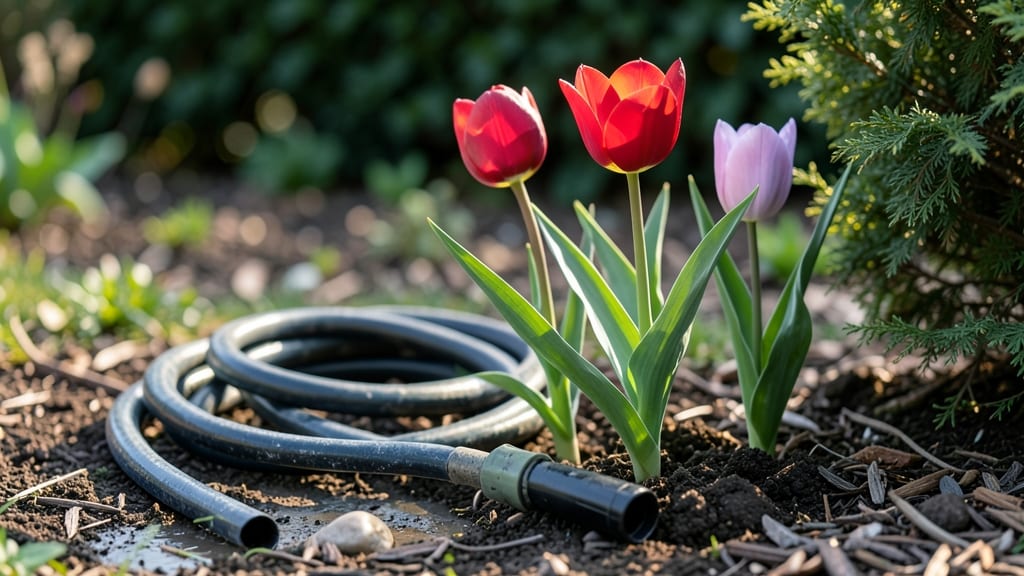
Tulips thrive best in sun or shade depending on the variety and your climate 🌷—and getting this right is the secret to those vibrant blooms you’ve been waiting for.
Struggling to get your tulips to bloom reliably? The battle between sun and shade might be the hidden factor sabotaging your spring displays—and understanding their light needs could mean the difference between a lackluster garden and a showstopping one.
Most tulips—especially Darwin hybrids—crave full sun (6+ hours daily), but frilled varieties and those in hot climates often do better with partial shade (4-6 hours). A little shade in the afternoon can even protect petals from scorching in zone 6a summers.
Below, I’ll break down how to match your tulips to your yard’s light, adjust planting spots for peak blooms, and spot the signs when they’re begging for more (or less) sunshine.
 Best Window Placement
Optimal sunlight requirements for tulips to ensure perfect blooming
Tulips thrive when given the right amount of sunlight, but their needs vary dramatically depending on the variety. Most tulips prefer full sun—meaning 6 to 8 hours of direct sunlight daily—to produce vibrant blooms and strong stems.
However, some varieties, like Darwin Hybrid tulips, actually perform better with even more sun, while others, such as frilled tulips, can tolerate partial shade in hotter climates. Understanding these differences is key to unlocking the full potential of your tulips.
The science behind tulip blooming is fascinating. Tulips rely on photosynthesis to convert sunlight into energy, which fuels their growth and flower production. When tulips receive insufficient light, they produce fewer blooms or flowers that are smaller and less vibrant.
Additionally, inadequate sunlight can delay bloom time, leaving you with a garden that feels late to the spring party. For example, Parrot tulips need full sun to maintain their bold, ruffled petals, while species tulips may struggle in overly hot, sunny conditions.
Here’s how sunlight impacts tulips in practical terms: Full sun (6+ hours) produces the most robust blooms and sturdy stems, while partial shade (4-6 hours) can be ideal in regions with intense afternoon sun.
In USDA Zones 7-9, where summers are hot, providing afternoon shade can prevent tulips from wilting or burning. Conversely, in cooler climates like Zone 4 or 5, tulips can handle full sun year-round without stress.
🌷 Tulip Sunlight Requirements Summary
| Variety | Sunlight Needs | Bloom Quality | Best For |
|---|---|---|---|
| Darwin Hybrid | Full sun (6-8+ hours) | Large, long-lasting blooms | Borders, cut flowers |
| Fringed (Frilled) Tulips | Partial shade (4-6 hours) | Delicate, ruffled petals | Woodland gardens, shade gardens |
| Parrot Tulips | Full sun (6+ hours) | Bold, exotic colors | Containers, focal points |
| Species Tulips | Partial shade (4-6 hours) | Natural, wildflower look | Rock gardens, naturalized areas |
| Dwarf Tulips | Full sun to partial shade (4-6 hours) | Compact, early blooms | Rockeries, front of borders |
If you’re planting tulips in a hot, sunny climate, like the Southwest U.S., consider providing afternoon shade to prevent heat stress. A simple solution is to plant them near deciduous trees that lose their leaves in late winter, allowing sunlight to reach the tulips during their critical growth period.
Conversely, in cooler, northern climates, tulips can bask in full sun all day without risk of overheating, often producing even more vigorous blooms.
Light exposure also plays a crucial role in bloom timing. Tulips planted in full sun typically bloom 1-2 weeks earlier than those in partial shade. This is because the extra sunlight accelerates their growth cycle.
For gardeners who want a staggered bloom display, mixing sun-loving and shade-tolerant varieties in the same bed can create a beautiful, prolonged flowering season. For instance, plant Darwin Hybrid tulips in full sun for early blooms and frilled tulips in partial shade for a later, more delicate display.
For container gardening, choose sunny locations like patios or balconies facing south or west. Containers heat up quickly, so ensure they have well-draining soil and consider using light-colored pots to reflect excess heat.
If your containers are in partial shade, opt for shade-tolerant varieties like Tulipa greigii or Tulipa tarda, which thrive with less direct sunlight.
One common mistake gardeners make is assuming all tulips have the same sunlight needs. Over-exposing shade-loving varieties to full sun can lead to wilting, leaf scorch, or even flower drop. Conversely, underlighting sun-loving tulips results in weak stems and poor blooms.
To avoid these issues, always check the specific variety’s requirements before planting. For example, Emperor tulips need full sun to reach their impressive heights, while Waterlily tulips prefer partial shade to maintain their unique, cup-shaped blooms.
To maximize your tulips’ potential, observe their foliage and flower development throughout the season. Healthy tulips in ideal light conditions will have deep green leaves and upright, sturdy stems. If you notice leaves turning yellow or stems flopping over, it’s a sign
How to adjust your garden layout for tulips in shady vs sunny spots
Tulips thrive in full sun for vibrant blooms, but many gardeners face shady spots where direct sunlight is limited. The key is understanding how to adapt planting locations based on your yard's natural light patterns.
Whether you have a sun-drenched border or a dappled shade garden, small adjustments can transform your tulip display from lackluster to showstopping.
Start by mapping your garden's sunlight throughout the day. Use a sunlight tracker app or observe how shadows shift from morning to afternoon. Tulips planted in partial shade (4-6 hours of sunlight) will produce smaller, later blooms compared to their sun-loving counterparts.
However, some tulip varieties handle shade better than others, making them ideal for under trees or along north-facing walls.
- Vibrant blooms with deeper colors
- Longer stems (1.5-2.5 ft)
- Earlier blooming by 1-2 weeks
- Better disease resistance
- Requires consistent watering (dries faster)
- May need afternoon shade in hot climates
- Limited varieties thrive in extreme heat
- Less watering needed (soil stays moist)
- Cooler growing conditions (ideal for hot zones)
- Some varieties bloom reliably (e.g., Darwin hybrids)
- Smaller, paler blooms
- Later blooming (2+ weeks delay)
- Fewer variety options (avoid parrot tulips)
For sunny spots, choose south-facing beds where tulips receive morning sun and gentle afternoon shade. In hot climates (Zones 8-10), provide afternoon shade using tall plants like delphiniums or hollyhocks to prevent leaf scorch.
Pair tulips with companion plants like alliums or fritillaries, which thrive in similar conditions while adding height and texture.
In shady areas, opt for tall-growing varieties like Darwin hybrids (e.g., 'Paul Scherer') or fosteriana tulips, which tolerate 3-4 hours of sunlight. Plant them near east-facing walls or under deciduous trees where they’ll catch filtered morning light.
Avoid planting near evergreens, which create permanent shade and stunt growth.
Seasonal adjustments matter too! In spring, when tulips are actively growing, ensure they get at least 4 hours of sunlight daily. If your yard has moving shadows (like from nearby buildings), rotate your planting layout every few years to keep bulbs in optimal light.
Mulch with organic matter (like compost or straw) to improve soil fertility and help bulbs establish stronger roots for next year’s blooms.
Remember, even in shade, bright indirect light is better than deep darkness. If your tulips are struggling, consider container gardening on a sunny patio or balcony. With the right placement and a little creativity, you can coax stunning tulips from even the shadiest corners of your garden. 🌷