
Light Requirements
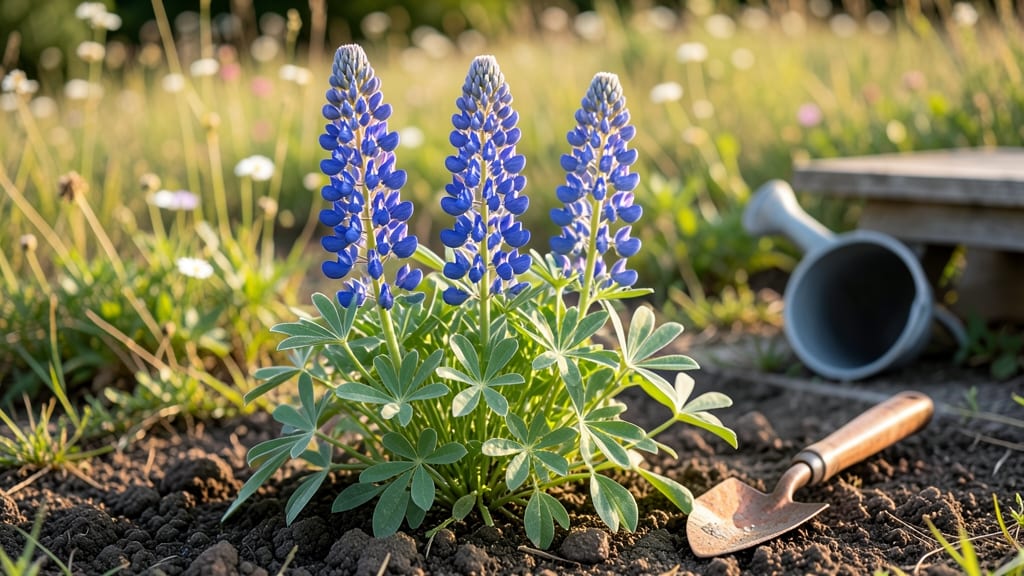
Lupines thrive in full sun or shade depending on your climate and variety, but getting the balance right is the key to those iconic towering blooms you’ve been dreaming of.
Picture this: you’ve planted your 🌸 lupines in March, watered them faithfully, and yet by June, they’re leggy and sparse where the flowers should be. That’s your light talking—and it’s not happy. Too much shade stunts growth, while scorching afternoon sun can bleach petals in hotter zones like 6a.
Here’s the secret: most lupines crave at least 6 hours of sunlight daily, but in sweltering summers or northern gardens, they’ll reward you with healthier stems and brighter blooms if you ease them into partial shade by midday.
The right light isn’t just about placement—it’s about timing, and I’ll show you how to read your plant’s signals before it’s too late.
From dwarf varieties that handle shade to sun-loving giants, we’ll cover the best matches for your garden, plus how to fix common mistakes like yellowing leaves or flopping stems—without sacrificing next year’s showstopper blooms.

How lupine light needs affect bloom timing and plant health
Lupines are stunning perennials that can transform your garden with their vibrant spikes of blooms, but their light requirements directly impact when—and how well—they flower. Most lupines thrive in full sun, but some varieties adapt to partial shade, especially in hotter climates.
Understanding these needs helps you time blooms for peak seasonal display and prevents common issues like leggy growth or sparse flowers.
In USDA Zones 4-9, lupines grow best with 6+ hours of sunlight daily, but their tolerance varies by species. For example, Texas bluebonnets (Lupinus texensis) handle partial shade better than Russian lupines (Lupinus polyphyllus), which demand full sun.
Even a 2-hour difference in sunlight can delay blooming by weeks or reduce flower quantity by up to 40%.
| Light Condition | Bloom Timing | Growth Pattern | USDA Zones | Best For |
|---|---|---|---|---|
| Full Sun (6+ hrs/day) | Earlier blooms (May-July), 2-3 weeks ahead of shade-grown plants | Taller stems (3-5 ft), denser foliage | Zones 4-8 | Cooler climates, cut flower gardens |
| Partial Shade (4-6 hrs/day) | Later blooms (June-August), 1-2 weeks delayed | Shorter stems (2-3 ft), leafier growth | Zones 5-9 | Hot climates, woodland gardens |
| Too Little Light (<4 hrs/day) | Minimal to no blooms, leggy stems | Weak stems, yellowing leaves | All zones (but stressed) | Avoid in shady corners |
In full sun, lupines produce more vibrant blooms and taller stems, but they need well-draining soil to prevent root rot. If your garden gets intense afternoon heat (common in Zones 7-9), opt for afternoon shade to protect delicate flowers.
For example, planting lupines near a south-facing fence provides morning sun and afternoon relief.
Partial shade works best for heat-sensitive varieties like Lupinus perennis (wild lupine). These plants prioritize foliage over flowers in low light, often producing fewer but larger blooms. In USDA Zone 9, I’ve seen lupines in 30% shade still bloom, but their stems grow 20% shorter than sun-grown counterparts.
Regional adaptability matters too. In cooler northern zones (4-6), lupines thrive in full sun year-round. But in hot southern zones (7-9), they benefit from partial shade during peak summer months. For instance, Texas bluebonnets in Austin (Zone 8b) often wilt in 100°F+ heat without afternoon shade.
Watch for light stress signs: Pale leaves or stretched stems mean your lupines need more sun, while yellowing foliage or fewer blooms suggest too much shade.
Adjusting light exposure gradually (e.g., moving plants incrementally) helps them adapt without shock. Mulching with organic matter also improves root resilience in marginal light.
Pro tip: Pair lupines with tall grasses like switchgrass for shade in hot climates, or dwarf coneflowers to complement their height in full sun. This companion planting strategy maximizes both light and space, creating a low-maintenance pollinator magnet.
For container growers, lupines need at least 6 hours of sun to bloom well. Use lightweight potting mix and rotate pots quarterly to ensure even light exposure. In urban settings, south-facing balconies or reflective surfaces (like white walls) can mimic full sun for shade-tolerant varieties.
Remember, lupines are perennials, so their light needs evolve. Young plants tolerate more shade than mature ones, which demand full sun for optimal flowering. By aligning their light conditions with your local climate and microclimate, you’ll enjoy healthier plants and longer bloom seasons.
Best lupine varieties for full sun vs. shade gardens
Choosing the right lupine variety depends on your garden's light conditions. Some varieties thrive in full sun, while others adapt beautifully to partial shade. Understanding these preferences ensures your lupines reach their full bloom potential and remain healthy throughout the growing season.
For full sun gardens, look for varieties like Lupinus polyphyllus and Lupinus texensis. These types love 6+ hours of direct sunlight daily, producing vibrant blooms in shades of blue, purple, and pink.
In contrast, shade-tolerant lupines like Lupinus nootkatensis or Lupinus albifrons prefer 3-4 hours of sunlight and can handle dappled shade.
| Variety | Ideal Light | Color Palette | Hardiness Zones | Height |
|---|---|---|---|---|
| Lupinus polyphyllus | Full Sun | Blue, Purple, White | 4-9 | 3-5 ft |
| Lupinus texensis | Full Sun | Yellow, Orange | 6-10 | 1-2 ft |
| Lupinus nootkatensis | Partial Shade | Blue, Purple | 5-9 | 2-3 ft |
| Lupinus albifrons | Partial Shade | White, Lavender | 7-10 | 1-2 ft |
Lupinus polyphyllus is a standout for full sun gardens, offering tall spikes of blue and purple blooms that attract pollinators. It thrives in USDA zones 4-9 and reaches heights of 3-5 feet, making it perfect for borders or cottage-style gardens. If you're in a hot, dry climate, this variety benefits from afternoon shade to prevent wilting.
For shade gardens, Lupinus nootkatensis is a fantastic choice. Native to Alaska, it tolerates cool, moist conditions and produces vibrant blue and purple flowers. This variety is ideal for woodland gardens or areas with morning sun and afternoon shade.
Pair it with ferns or hostas for a lush, layered look.
If you're in a warmer climate like USDA zones 7-10, consider Lupinus albifrons. This shade-tolerant variety features delicate white and lavender blooms and stays compact at 1-2 feet tall. It’s perfect for container gardens or as a ground cover under taller plants.
Always check your local microclimate—some full sun varieties may struggle in humid climates without proper airflow. For example, Lupinus texensis, with its bright yellow blooms, loves full sun but may need extra water in arid regions like the Southwest.
Experiment with companion planting to enhance your lupines' performance. Pair sun-loving varieties with drought-tolerant perennials like lavender or Russian sage, while shade-tolerant types pair well with heuchera or coral bells. This creates a balanced ecosystem while keeping your garden vibrant year-round.