
Light Requirements
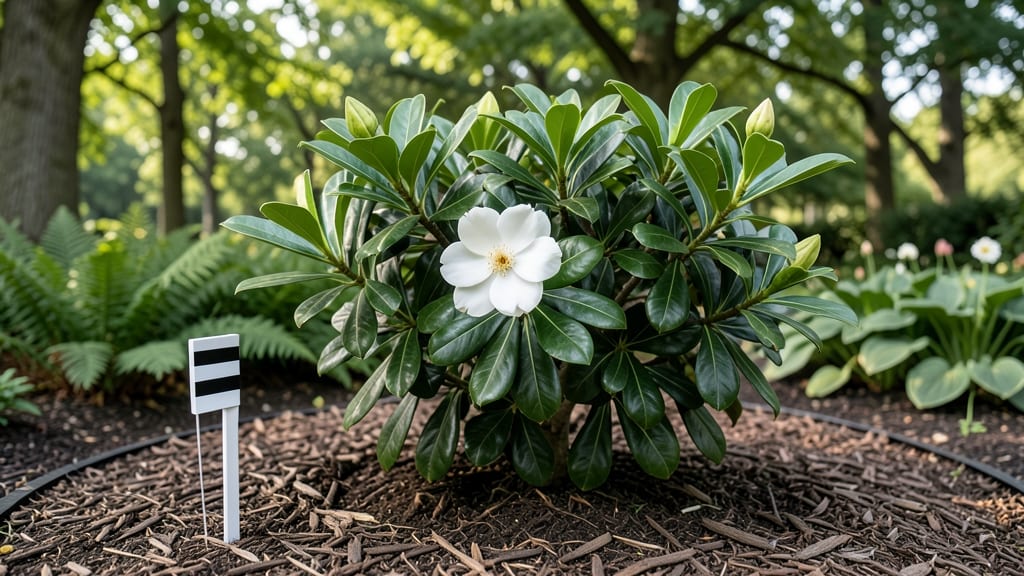
Gardenias can grow in shade, but their blooms may struggle without the right light balance 🌸 — here’s how to maximize their potential in low-light spots.
Struggling to get your gardenias to bloom? Many gardeners assume these fragrant favorites need full sun—but what if you only have shade? The good news is that gardenias can thrive in partial shade with the right care, producing lush foliage and even flowers if you follow these light hacks.
While gardenias prefer bright, indirect light, they adapt surprisingly well to shadier conditions when given a few key adjustments. The trick lies in balancing their need for light with their sensitivity to harsh afternoon sun, which can scorch leaves and stunt growth.
In this guide, I’ll break down how much shade your gardenias can handle, which varieties perform best in low light, and three proven strategies to coax stronger blooms—even in deep shade.

How much shade can gardenias tolerate before flowering stops?
Gardenias are often labeled as sun-loving shrubs, but their shade tolerance varies dramatically between varieties. While they do need light to bloom, most can handle 30-50% shade without completely giving up on flowers—though heavy shade will reduce blooms significantly.
The key lies in understanding how photosynthesis works in shade versus sun, where lower light means slower energy production for flowering.
Think of it like this: gardenias are light-hungry bloomers. They need enough energy to produce those iconic white flowers, but too little light forces them to prioritize leaf growth over blooms.
In deep shade, you might see lush foliage but fewer (or no) flowers—a classic sign of light deprivation. The good news? With the right care, even shade-grown gardenias can still produce some flowers and maintain healthy growth.
Here’s the hard truth: most gardenia varieties will stop flowering entirely in full shade (less than 2 hours of light daily). However, partial shade (4-6 hours of filtered light) is where they thrive, especially with morning sun exposure.
The Cape Jasmine (Gardenia jasminoides), the most common type, is the most shade-tolerant but still needs at least 3 hours of light to bloom reliably.
Let’s break down the shade tolerance spectrum for gardenias, from full sun lovers to shade-adapted varieties, so you can match your growing conditions to the right plant. Below, you’ll find a quick reference table to help diagnose your gardenia’s light needs and adjust care accordingly.
| Variety | Shade Tolerance | Minimum Light for Blooms | Symptoms of Too Little Light |
|---|---|---|---|
| Cape Jasmine (Gardenia jasminoides) | Moderate (30-50%) | 4-6 hours of morning sun | Sparse blooms, leggy growth |
| Kleimschmidtiana | Low (50-70%) | 3-4 hours of dappled light | No flowers, yellowing leaves |
| Radicans | High (70-80%) | 2-3 hours of indirect light | Slow growth, pale leaves |
| Fortuniana | Moderate (40-60%) | 5-6 hours of filtered light | Fewer blooms, weak stems |
If your gardenia is showing signs of light deprivation, like sparse foliage or no flowers, it’s time to diagnose the issue. Start by checking the light quality—is it bright indirect light (like under a tree canopy) or deep shade (like a north-facing wall)?
Gardenias need bright light, even if it’s filtered. If your plant is in deep shade, consider moving it to a sunnier spot or supplementing with a grow light for 4-6 hours daily.
Another red flag is leggy growth, where stems stretch toward the light source. This happens when gardenias reach for more light and become weak and spindly. Prune these elongated stems to encourage bushier growth and redirect energy toward flower production.
A quick fix is to trim back 1/3 of the leggy growth in early spring, which also stimulates new, stronger branches that can better access available light.
For gardeners in deep shade (e.g., under tall trees or north-facing patios), don’t give up hope! Some gardenia varieties, like Gardenia radicans, are naturally shade-tolerant and can still produce occasional blooms with supplemental care.
Focus on acidic, well-draining soil (pH 5.0-6.0) and regular feeding with a high-phosphorus fertilizer (like 10-20-10) to <
3 Proven light hacks to boost gardenia blooms in shade
Gardenias can absolutely thrive in shade—but only if you give them the right light boost. While they prefer morning sun and afternoon shade, too much deep shade can mean fewer blooms.
The key is to maximize existing light and create conditions that mimic their natural habitat. With these three science-backed hacks, you can coax even more fragrant blooms from your shade-loving gardenias.
First, let’s address the elephant in the room: gardenias in deep shade often struggle to produce flowers because they’re not getting enough photosynthetic energy. But don’t give up! By strategically pruning, reflecting light, and supplementing with grow lights, you can turn your shady spot into a gardenia paradise.
These methods work together to give your plants the bright indirect light they crave without moving them to a sunnier location.
- 1 Strategic Pruning: Thin out dense foliage to let more light penetrate to inner branches. Focus on removing crossing branches and overlapping leaves to improve air circulation and light exposure.
- 2 Reflective Surfaces: Place white or light-colored reflectors (like mirrors or garden stones) near your gardenias to bounce indirect light back onto the plant. This can increase light exposure by up to 30% in shady spots.
- 3 Supplemental Grow Lights: For deep shade, use LED grow lights (6400K color temperature) for 4-6 hours daily. Position lights 12-18 inches above the plant to mimic natural sunlight without overheating the leaves.
Let’s start with the easiest and most cost-effective hack: strategic pruning. Gardenias naturally grow dense foliage, which can block light from reaching inner branches. By thinning out 20-30% of the plant’s growth, you’ll improve airflow and let more light reach the center.
Use clean, sharp pruners to make cuts just above a leaf node, and avoid cutting into old wood, which won’t regrow. This method costs nothing but your time and can double your bloom production in just one growing season.
Next, consider adding reflective surfaces to bounce light onto your gardenias. A simple white garden stone or even a DIY reflector made from aluminum foil wrapped around a piece of cardboard can work wonders. Place these reflectors on the north or east side of your gardenia to maximize the effect.
This hack is especially useful in wooded areas or under large trees, where light is diffused but still present. The best part? It’s a one-time setup with minimal maintenance.
For gardenias in deep shade or low-light indoor spaces, supplemental grow lights are your best bet. Look for full-spectrum LED grow lights, which mimic natural sunlight and won’t overheat your plant.
Position the light 12-18 inches above the plant and use it for 4-6 hours daily to supplement natural light. A $30-$50 LED bulb can make a huge difference in bloom production, especially during the shorter winter days.
Just remember to keep the light moving slightly as the plant grows to avoid leggy stems.
Finally, combine these hacks for the best results. Start with pruning in early spring to open up the plant, add reflectors in late spring when light levels increase, and introduce grow lights in fall or winter when natural light is scarce.
With these adjustments, your gardenias will not only survive in shade—they’ll thrive and bloom beautifully. The key is patience and consistency, but the fragrant rewards are well worth it.