
Light Requirements
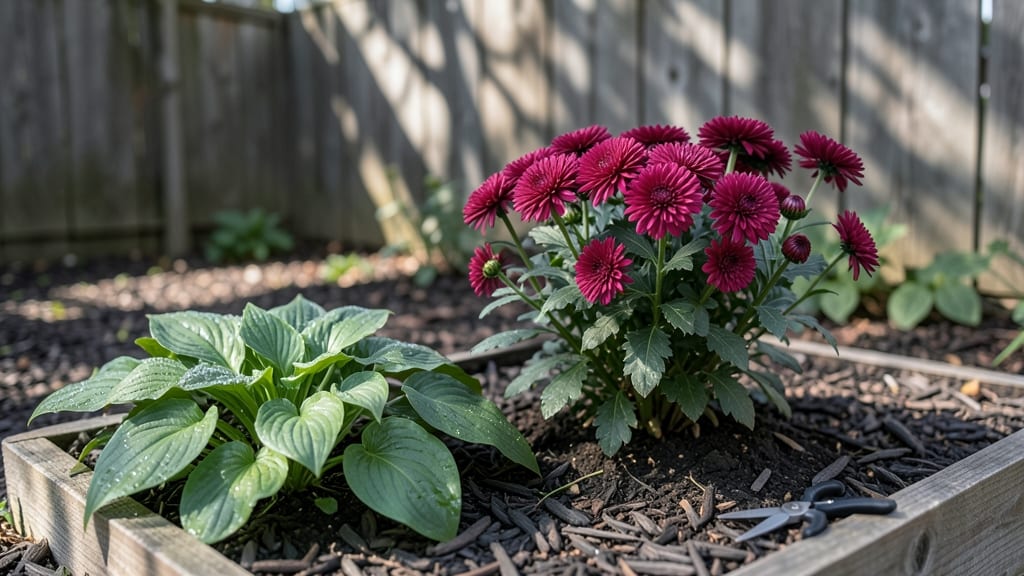
Can mums survive in shade? Yes, but they thrive best with partial shade—4 to 6 hours of morning sun or dappled light. Too little light weakens blooms, while deep shade may stunt growth entirely, reducing flowering and color vibrancy.
Mums (chrysanthemums) are famously adaptable, but their flowering potential drops dramatically in low-light conditions. 🌿 Without adequate light, plants divert energy to elongated stems rather than vibrant blooms, often resulting in sparse, pale flowers.
I’ve noticed this most in north-facing gardens where afternoon shade blocks sunlight entirely—those mums barely bloom at all. The key is finding a balance: even filtered light through trees can work if the plants get enough indirect exposure during peak daylight hours.
For gardeners with shady spots, choosing shade-tolerant varieties like 'Bonanza' or 'Penny' series makes a noticeable difference. These cultivars handle lower light better than traditional types, though they’ll still reward you with more abundant blooms when given morning sun.
A little extra care—like rich, well-draining soil and regular feeding—can also compensate for light limitations, helping mums put on a decent show even in challenging conditions.
💡 In This Article
- How Shade Affects Mum Growth and Flowering
- Maximizing Mum Success in Low-Light Gardens
How shade affects mum growth and flowering
When mums (chrysanthemums) receive insufficient light, their growth patterns change dramatically due to a process called etiolation. In low-light conditions, plants stretch their stems toward any available light source, creating those characteristic leggy, weak stems that struggle to support blooms.
This happens because chlorophyll production slows down, forcing the plant to prioritize stem elongation over energy-intensive processes like flower development. 🌱 The result? Fewer, smaller blooms that lack the vibrant colors seen in sun-exposed plants.
The type of shade matters just as much as the amount. Morning sun (4-6 hours) provides the perfect balance—it delivers enough energy for photosynthesis while avoiding the heat stress of afternoon rays.
In contrast, deep shade (like under dense evergreens) can reduce photosynthesis by up to 70%, starving the plant of the glucose needed for blooming. I’ve observed that mums in full afternoon shade often produce pale, sparse flowers because the plant’s energy is diverted to survival rather than reproduction.
Color intensity also suffers under shade. Chrysanthemums produce pigments called anthocyanins, which give them their bright hues. These pigments require sunlight to develop fully—without it, flowers turn duller shades of yellow or pale pink.
For example, a 'Vintage Wine' mum might appear more like a faded rose in deep shade. The trade-off is clear: while mums can survive in shade, their visual appeal and health take a significant hit. 💫
Seasonal light changes further complicate things. In late summer, when days shorten, mums already struggle to bloom prolifically. Adding shade exacerbates this—plants may produce only 30-50% of their potential flowers compared to those in partial sun.
The key is monitoring leaf color: dark green leaves indicate adequate light, while yellowing or purple-tinged leaves signal stress from insufficient photosynthesis.
Even the angle of light plays a role. Dappled sunlight (like through lace-cap hydrangeas) provides better conditions than solid shade because it allows intermittent light exposure, which triggers photoperiodism—the plant’s internal clock that regulates flowering.
Without this stimulation, mums may bloom later or not at all. For gardeners working with shade, positioning plants near east-facing walls or using reflective surfaces (like light-colored mulch) can help maximize indirect light exposure.
One surprising fact: mums in shade often bloom later in the season because they delay flowering until they’ve stored enough energy. This means your once-colorful garden might look bare for weeks longer than sun-exposed plants.
The lesson? If you’re committed to shade gardening, plan for a delayed but extended bloom period rather than a sudden burst of color. 🌿