
Light Requirements
Partial shade means 3 to 6 hours of direct sunlight daily, with the rest coming through leafy canopies or buildings. This middle-ground exposure prevents leaf scorch while still fueling photosynthesis for plants that can't handle full sun.
This range creates the perfect balance for plants that thrive in dappled light conditions. 🌿 The key difference from full sun is avoiding the intense midday rays that can cause bleaching or wilting, while still providing enough energy for healthy growth.
Many gardeners find that morning sun plus afternoon shade works best—it gives plants the gentle warmth they need without the stress of peak sunlight.
What's fascinating is how this definition varies by climate. In hotter regions, even 3 hours might feel like full sun exposure, while cooler areas can safely extend to 6 hours without damage.
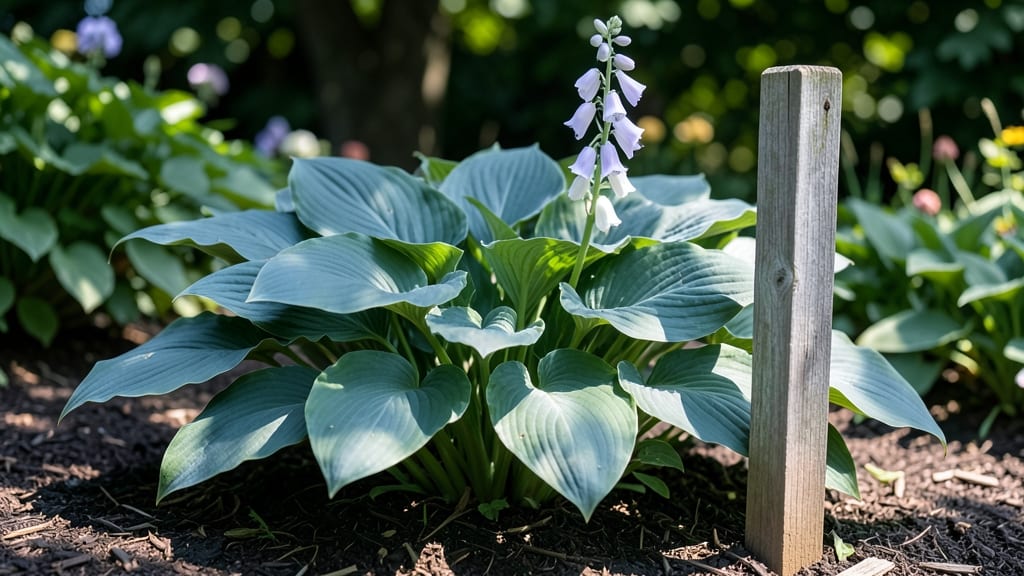
I've seen hostas and ferns flourish in these conditions, but always recommend monitoring leaf color as your best indicator of whether a plant is getting just the right amount.
💡 In This Article
- How Sunlight Hours Define Partial Shade for Plant Health
- Best Plants for Partial Shade and Their Sunlight Needs
How sunlight hours define partial shade for plant health
The 3-6 hour window for partial shade isn't arbitrary—it reflects how plants balance photosynthesis with UV protection. During these hours, plants receive enough photosynthetically active radiation (PAR) (400-700nm wavelength) to sustain growth while avoiding the 1,000-1,500 µmol/m²/s intensity of full sun that triggers leaf burn.
The morning sunlight (6am-12pm) provides gentle energy without the harmful midday UV spikes that occur after 12pm when the sun is highest.
Leaf physiology plays a critical role here. Plants in partial shade develop thinner cuticles and more chlorophyll in upper leaves to maximize light capture, while those in full sun develop thicker waxy layers and reflective compounds.
This adaptation explains why hostas grown in partial shade appear darker green—they're investing energy in photosynthesis rather than protection. 🌱 The 3-6 hour range also prevents photoinhibition, where excess light damages chlorophyll molecules and reduces growth.
Temperature amplification makes this range even more crucial. When direct sunlight exceeds 6 hours, leaf temperatures can climb 10-15°F above air temperature, creating heat stress. This is why plants like impatiens thrive in partial shade—their delicate leaves can't handle prolonged exposure to temperatures above 85°F.
The filtered light from trees or buildings reduces this heat load while still allowing 50-70% of full sun's light intensity to reach the plant.
Seasonal variations further complicate this balance. In summer, the same 3-6 hour exposure might feel like full sun due to longer daylight hours, while winter's shorter days mean plants may need slightly more direct light to compensate.
This is why gardeners in Zone 5 might provide 4-5 hours in summer but extend to 5-6 hours in winter. The key is monitoring leaf color—yellowing indicates too much sun, while dull green suggests insufficient light.
Microclimate factors create additional nuances. Urban environments with concrete and asphalt can increase temperatures by 5-10°F, making 3 hours of direct sun feel more intense than in rural areas. Similarly, north-facing walls provide cooler, gentler light that extends the effective partial shade window.
Understanding these factors lets you fine-tune exposure by adjusting plant placement or using shade cloths with 30-50% light reduction.
What most gardeners overlook is how partial shade changes throughout the day. Morning sun (cooler, redder light) is gentler than afternoon sun (hotter, bluer light), so positioning plants to receive morning direct light and afternoon shade creates the optimal partial shade environment.
This daily variation is why many shade-loving plants actually prefer the 4-5 hour range—it gives them the best of both worlds: enough energy without the stress.