
Light Requirements
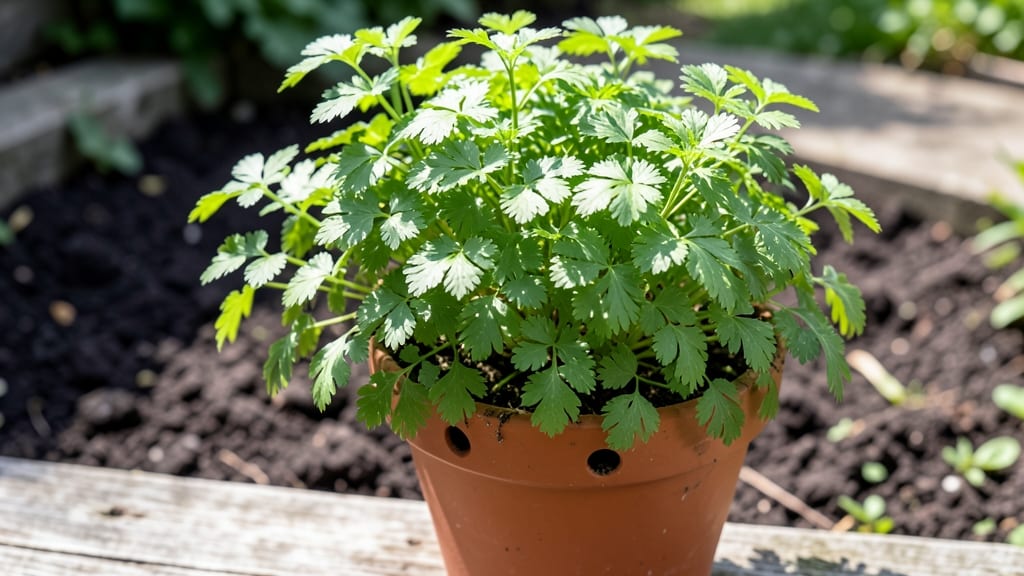
Cilantro thrives in shade—but only if you adjust your expectations. 🌿 I’ve grown it under trees and in north-facing windows, and while it won’t be as bushy or leafy as full-sun plants, it will survive, bolt later, and even produce usable leaves with the right care.
The key is understanding how shade changes its growth habits.
Most gardeners assume cilantro needs full sun, but the truth is, it tolerates partial shade better than many herbs. In low light, it grows taller and leggier, with fewer leaves—but if you harvest stems regularly and keep soil moist, you’ll still get flavorful foliage.
The real challenge? Preventing bolting, which shade delays but doesn’t eliminate entirely. A simple trick: plant in cooler months or use shade cloth to mimic winter conditions.
What you’ll end up with is cilantro that lasts longer in your garden, even if it’s not the lush, compact plant you’d get in full sun. The leaves stay tender longer, and the roots stay cooler, which means less bitterness creeping in.
Plus, you’ll avoid the common frustration of bolting too early—something I’ve dealt with more times than I’d like to admit.
For best results, pair it with shade-tolerant companions like parsley, chives, or lettuce. If your spot gets no direct sun, consider growing cilantro in containers and moving them to brighter areas for a few hours a day. The flexibility is what makes this herb so forgiving—once you know the tricks.
Light Deficiencies Explained
Cilantro thrives in full sun, but when it’s forced into shady conditions, growth problems often arise. Understanding the science behind these challenges helps you troubleshoot—and even optimize—your herb garden. Here’s why cilantro struggles in low light, broken down by the real culprits:
Cilantro, like all plants, relies on photosynthesis to convert sunlight into energy. When deprived of adequate light, its chlorophyll (the green pigment in leaves) can’t absorb enough photons to fuel growth. Here’s the breakdown:
- Reduced Sugar Production: Sunlight triggers the conversion of carbon dioxide and water into glucose (plant sugar). In shade, this process slows, starving the plant of energy. - Weak Stem Development: Cilantro’s stems need energy to stay sturdy.
Without enough light, they become leggy (tall and thin), leading to flopping or snapping under their own weight. - Pale or Yellowing Leaves: Chlorophyll production drops, causing leaves to lose their vibrant green hue—a classic sign of light starvation.
Actionable Fix: If your cilantro is already in shade, supplement with a grow light (12–14 hours/day) or relocate it to a sunnier spot for at least 4–6 hours daily.
Plants produce growth hormones like auxin and gibberellins in response to light. In shade: - Auxin Overproduction: This hormone, which regulates cell elongation, can dominate, causing excessive stretching (etiolation) instead of bushy, dense growth. - Gibberellin Imbalance: Low light reduces gibberellins, which promote leaf and root expansion.
Without them, cilantro’s foliage stays small and sparse.
Result? Your cilantro may look spindly and weak, with large gaps between leaves.
Actionable Fix: If moving isn’t an option, prune leggy stems to encourage bushier growth and redirect energy to leaf production.
Shady areas often mean cooler, more humid conditions, which affect cilantro’s metabolism:
- Slower Transpiration: Less light reduces water evaporation through leaves, leading to overly moist soil—a breeding ground for fungal diseases (like powdery mildew).
- Poor Air Circulation: Dense shade can trap humidity, creating a stagnant microclimate that weakens the plant’s defenses.
Signs of Trouble:
- Yellow or brown leaf edges (nutrient uptake issues).
- White powdery coating on leaves (fungus).
Actionable Fix: Improve airflow by thinning nearby plants or using a small fan. If humidity is extreme, reduce watering frequency to prevent root rot.
Even if you fertilize, shade-stressed cilantro can’t absorb nutrients efficiently because: - Root Growth Slows: With less energy from photosynthesis, roots shrink, reducing their ability to pull up water and minerals. - Nitrogen Lockout: Cilantro is a heavy nitrogen feeder.
In shade, it may hoard nitrogen in stems instead of leaves, leading to stunted or purplish foliage.
Actionable Fix: Use a balanced, water-soluble fertilizer (like 10-10-10) every 2–3 weeks to support weak plants. Avoid high-nitrogen fertilizers alone—they won’t fix light issues.
Cilantro’s light needs change with seasons: - Spring/Fall: Cooler temps mean cilantro grows slower, tolerating partial shade better (but still needs 4+ hours of sun). - Summer: Intense heat forces cilantro to bolt (flower prematurely) if it’s already stressed by shade.
Bolting = bitter leaves and wasted harvests.
Actionable Fix: In summer, provide afternoon shade (to prevent heat stress) but ensure morning sun for energy production.
Shade doesn’t always kill cilantro—but it slows its growth, weakens its structure, and invites pests/diseases. The good news? With light supplements, pruning, and smart watering, you can coax even shade-loving cilantro into producing flavorful, bushy harvests.
Start with the fixes above, and watch your herb bounce back!
Boosting Cilantro Growth in Low-Light Spots
Growing cilantro in shade isn’t impossible—it just requires a few smart adjustments to help your herb thrive where sunlight is scarce. Below, we’ll tackle the most common challenges and provide practical, step-by-step fixes to keep your cilantro lush and productive, even in partial shade or indoor setups. 🌱💡
Cause: Too little light slows photosynthesis, leading to weak, elongated stems and sparse foliage.
How to Fix It: 🔥 Step 1: Optimize Light Exposure
- Move your cilantro to the brightest spot available, even if it’s not full sun. A south- or west-facing window (or a grow light) works best.
- If outdoors, place it in dappled shade (e.g., under trees with filtered light) rather than deep shade.
🍳 Step 2: Supplement with Grow Lights
- Use a full-spectrum LED grow light (12–16 hours/day) if natural light is insufficient.
- Keep lights 6–12 inches above plants to avoid burning leaves.
🌡️ Step 3: Thin Crowded Plants
- Overcrowding worsens shade stress. Thin seedlings to 6–8 inches apart for better air circulation and light access.
💡 Pro Tip: Rotate pots weekly (if indoors) to ensure even light exposure on all sides.
Cause: Insufficient light causes chlorophyll breakdown, leading to weak, yellowish leaves.
How to Fix It: 🔥 Step 1: Diagnose Nutrient Imbalance
- Yellow lower leaves? Likely nitrogen deficiency (common in shade). Feed with a balanced liquid fertilizer (e.g., 10-10-10) every 2–3 weeks.
- Pale new growth? Could be iron deficiency. Use a chelated iron supplement or compost tea.
👨🍳 Step 2: Improve Soil Health
- Amend soil with compost or worm castings to boost nutrient availability.
- Ensure pots have drainage holes—waterlogged soil worsens nutrient uptake.
✨ Step 3: Boost Humidity (Indoor Plants)
- Place a tray of water and pebbles near the pot or use a humidifier. Cilantro prefers 50–70% humidity.
Cause: Shade-stressed cilantro may bolt (send up flowers) to seek sunlight, ruining flavor.
How to Fix It: 🔥 Step 1: Extend the Growing Season
- Harvest regularly (cut stems just above soil level) to encourage bushier growth.
- Pinch back flowers as soon as they appear to redirect energy to leaves.
🥘 Step 2: Adjust Watering
- Water deeply but infrequently (let soil dry slightly between waterings). Overwatering in shade can trigger bolting.
- Use cool water (not hot) to reduce stress.
🎯 Step 3: Choose Bolt-Resistant Varieties
- Opt for slow-bolting cilantro types like ‘Calypso’ or ‘Santo’ if shade is unavoidable.
Cause: Poor air circulation in shady spots attracts pests (aphids, spider mites) and fungal issues (powdery mildew).
How to Fix It: 🔪 Step 1: Preventative Sprays
- Spray leaves with neem oil (1 tsp per quart of water) weekly to deter pests.
- Remove damaged leaves immediately to stop fungal spread.
⏰ Step 2: Improve Airflow
- Space plants 8+ inches apart and avoid overhead watering.
- Use a small fan (on low) near indoor pots to mimic breezes.
💡 Pro Tip: Mulch with straw or shredded leaves to retain moisture and suppress weeds without smothering plants.
- Start indoors in spring, then transplant to partial shade once seedlings are sturdy.
- Rotate containers every few days for even light exposure.
- Monitor soil moisture—shade slows evaporation, so check before watering.
- Harvest leaves early (before bolting) for the best flavor and to encourage regrowth.
With these tweaks, your cilantro can not only survive but thrive in shade—proving that even the trickiest spots can grow flavor-packed herbs with a little extra care! 🌿🍃
Frequently asked questions
How much shade can cilantro actually tolerate before it suffers?
Cilantro can handle partial shade (3–6 hours of direct sunlight daily), but anything less than 4 hours will cause leggy growth and weak leaves. In deep shade (2 hours or less), it may still survive but will bolt faster and produce fewer leaves. For best results, aim for morning sun + afternoon shade during hot months.
Will cilantro grown in shade taste different?
Yes! Shade-grown cilantro tends to be less intense in flavor because its oils develop slower without full sun. However, it won’t be bitter—just milder. The good news? Harvesting younger leaves (2–3 inches tall) maximizes flavor, even in low light. For stronger taste, supplement with a grow light for 12 hours/day.
Can I grow cilantro indoors under artificial light only?
Use a full-spectrum LED grow light (12–16 hours/day) placed 6–12 inches above plants. Rotate the pot weekly for even growth. Avoid incandescent bulbs—they generate too much heat. For best results, pair with a humidifier (50–70% humidity) to mimic outdoor conditions.
Why does my cilantro bolt faster in shade?
Shade stresses cilantro, triggering an early survival response: bolting. To delay it, harvest regularly (cut stems at soil level) and avoid overwatering. Choose slow-bolting varieties like 'Calypso' or use shade cloth (30–50%) to filter harsh light while keeping some brightness. Cool temps (60–70°F) also slow bolting.
What’s the best companion plant for shade-grown cilantro?
Pair cilantro with parsley, chives, or lettuce—all thrive in partial shade and share similar watering needs. Avoid competitive plants like mint or basil, which can overpower cilantro’s growth. For extra nutrients, interplant with radishes or carrots (they improve soil structure).