
Light Requirements
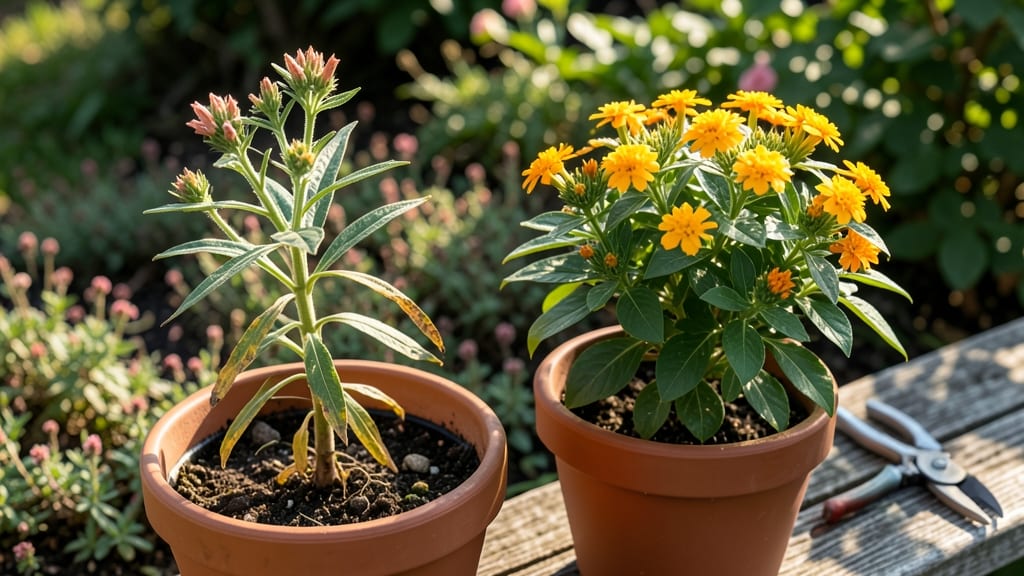
Lantana can grow in shade but thrives best in full sun, producing fewer blooms and slower growth in low-light conditions. Partial shade (3-6 hours of sunlight) is ideal for healthier plants and vibrant flowers.
While lantana is famously hardy, its growth habits shift dramatically in low-light environments. 🌿 In deep shade, plants may survive but struggle to produce the vibrant blooms gardeners love, often developing leggy stems and sparse foliage.
The key is balancing shade with indirect light—even filtered sunlight can make a noticeable difference in flower production and plant vigor. For container-grown lantana, rotating pots occasionally ensures even light exposure, which helps compensate for natural shade limitations.
If you're working with shade-tolerant varieties like the Bandana Series, focus on well-draining soil and regular pruning to encourage bushier growth. Adding a grow light for 4-6 hours daily can also boost photosynthesis, helping shade-grown lantana maintain its characteristic color and energy.
The trade-off? You'll likely sacrifice some bloom intensity, but the plant will remain healthier than in complete darkness.
💡 In This Article
- How Shade Affects Lantana Flowering and Growth
- Best Shade Tolerant Lantana Varieties and Care Tips
How shade affects lantana flowering and growth
Lantana's light requirements tie directly to its photosynthesis process, where chlorophyll in leaves converts sunlight into energy. In full sun, lantana plants produce 15-20% more chlorophyll than in shade, which fuels both leaf growth and flower production.
This excess energy allows them to develop the bright, clustered blooms (often yellow, orange, or pink) that make them so popular. When deprived of adequate light, photosynthesis slows, leading to reduced sugar production—the plant's primary fuel for blooming.
The most noticeable effect of shade is on flower count and size. Studies show lantana grown in full sun can produce 3-5 times more flowers per stem than those in partial shade, with blooms reaching 1.5-2 inches in diameter.
In deep shade, flowers may shrink to less than 1 inch and appear sporadically. The plant also allocates energy to leaf growth instead of reproduction, resulting in longer, thinner stems and darker green foliage that can become leggy and weak.
Leaf structure changes dramatically in low light. Shade-grown lantana develops larger, thinner leaves (up to 30% bigger than sun-adapted leaves) to maximize light capture, but these leaves are more prone to pests like spider mites due to their delicate texture.
The plant's natural defense mechanisms weaken too—shade-stressed lantana produces fewer volatile oils, reducing its ability to repel insects naturally. 🌿 This creates a vicious cycle where the plant becomes both less attractive (fewer flowers) and more vulnerable to pests.
Light quality matters just as much as quantity. Lantana prefers blue and red wavelengths (found in direct sunlight) which trigger flowering hormones. In shade, the light spectrum shifts toward green and yellow wavelengths, which don't stimulate the same hormonal response.
This explains why even bright indoor lighting (like LED grow lights) may not fully replicate outdoor sun conditions—lantana needs both intensity and the right color spectrum to thrive.
Temperature interacts with light requirements too. In cooler climates, shade can actually help lantana conserve energy, but in warm regions (zones 8-11), shade becomes problematic because the plant can't offset heat stress through transpiration (water evaporation from leaves).
The combination of high heat + low light creates ideal conditions for fungal diseases like powdery mildew, which thrives on the dense, moisture-retaining foliage shade encourages.
What most gardeners don't realize is that lantana's shade tolerance varies by growth stage. Young seedlings require at least 4-6 hours of direct light daily to establish strong root systems, while mature plants can adapt to 3 hours of morning sun combined with dappled shade.
This stage-specific need explains why container-grown lantana often struggles in fully shaded patios—it never gets the critical light exposure needed for root development.