
Light Requirements
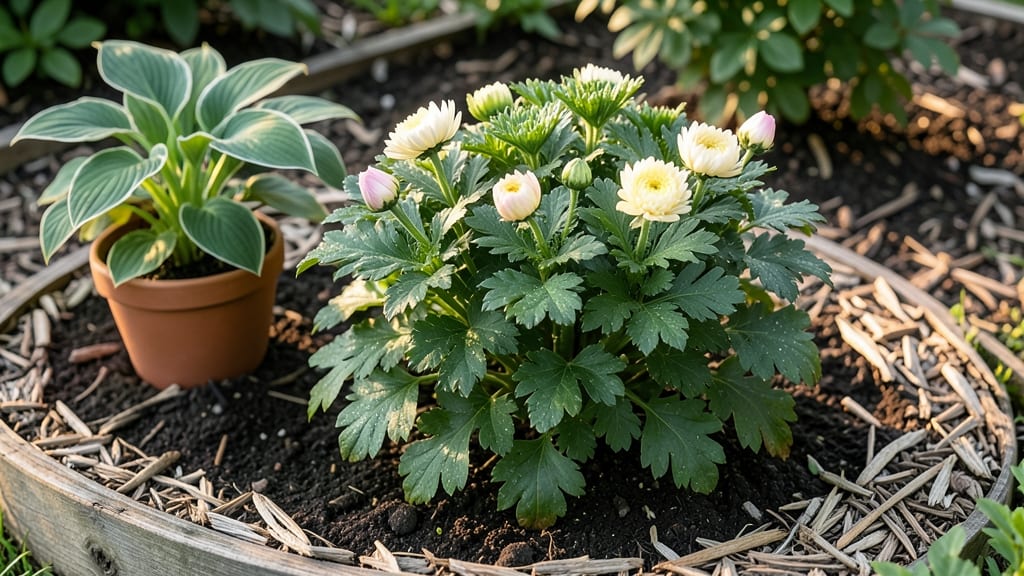
Chrysanthemums can grow in shade, but their performance varies by variety—dwarf and spider types tolerate partial shade best, while standard blooms need at least 4-6 hours of sunlight daily to thrive and produce vibrant flowers. Darker leaves may develop in low light, and blooming may be sparse or delayed.
While some chrysanthemums adapt to shady spots, their growth habits change dramatically based on light exposure. 🌿 Dwarf varieties like 'Bonanza' or spider types such as 'Mammoth' can handle 3-4 hours of filtered light daily, though their blooms may be smaller.
Standard types, however, struggle below 4 hours of sunlight, often producing fewer flowers and developing deeper green foliage. The key is finding the right balance—even in shade gardens, positioning plants near east-facing windows or using reflective surfaces can boost light absorption.
For optimal results, I recommend amending soil with compost to improve nutrient uptake in low-light conditions. Regular pruning also encourages denser growth, compensating for reduced sunlight. If growing indoors, a grow light for 6-8 hours daily can mimic natural conditions and prevent leggy stems.
Even shade-tolerant varieties benefit from occasional direct sunlight to maintain their signature vibrant blooms.
💡 In This Article
- Light Requirements for Different Chrysanthemum Varieties
- Tips for Growing Chrysanthemums in Low-Light Gardens
Light requirements for different chrysanthemum varieties
Chrysanthemums exhibit dramatic differences in shade tolerance based on their genetic makeup. Dwarf varieties like 'Bonanza Series' thrive with just 3-4 hours of indirect sunlight daily, making them ideal for shaded patios or under large trees.
Their compact growth habit (typically 12-18 inches tall) allows them to capture scattered light more efficiently than taller varieties. Spider chrysanthemums, such as 'Mammoth' types, also adapt well to partial shade but may produce slightly smaller blooms (3-5 inches in diameter) compared to their sun-grown counterparts.
The science behind this adaptation lies in their chlorophyll structure. Shade-tolerant varieties develop thicker leaves with more chloroplasts per square inch, maximizing light absorption from minimal exposure. 🌿 In contrast, standard chrysanthemums (like 'Bright Golden Anne') require 6+ hours of direct sunlight to trigger their photoperiodic flowering response.
Without adequate light, these varieties often produce fewer blooms and develop deeper green foliage due to increased chlorophyll production—a survival mechanism when light is scarce.
Light quality matters just as much as quantity. East-facing windows provide the ideal balance of morning sun and afternoon shade, while west-facing exposure can scorch leaves. I've found that placing chrysanthemums near reflective surfaces (like white walls or light-colored mulch) increases light availability by 15-20% through reflection.
This passive technique can make the difference between sparse blooming and a full, healthy plant in marginal light conditions.
Seasonal light changes also affect performance. In winter, when daylight hours drop below 8 hours, even shade-tolerant varieties may need supplemental grow lights for 4-6 hours daily to maintain vigor.
The key indicator of insufficient light is elongated stems (etiolation) and small, sparse leaves—signs that the plant is stretching toward any available light source. Regular rotation of container-grown plants ensures even light exposure and prevents this leggy growth pattern.
For gardeners with limited sunlight, consider these variety-specific recommendations:
- Best for deep shade (2-3 hours light): 'Bonanza White' or 'Bonanza Red' (dwarf types)
- Moderate shade (3-4 hours light): 'Mammoth' spider types or 'Pacific Beauty' series
- Partial shade (4-6 hours light): 'Bright Golden Anne' or 'Jeana' (standard types)
Remember that even shade-tolerant varieties will produce more vibrant blooms with additional light exposure. The trade-off is always between survival and optimal performance—something every shade gardener must carefully consider. 💫