
Light Requirements
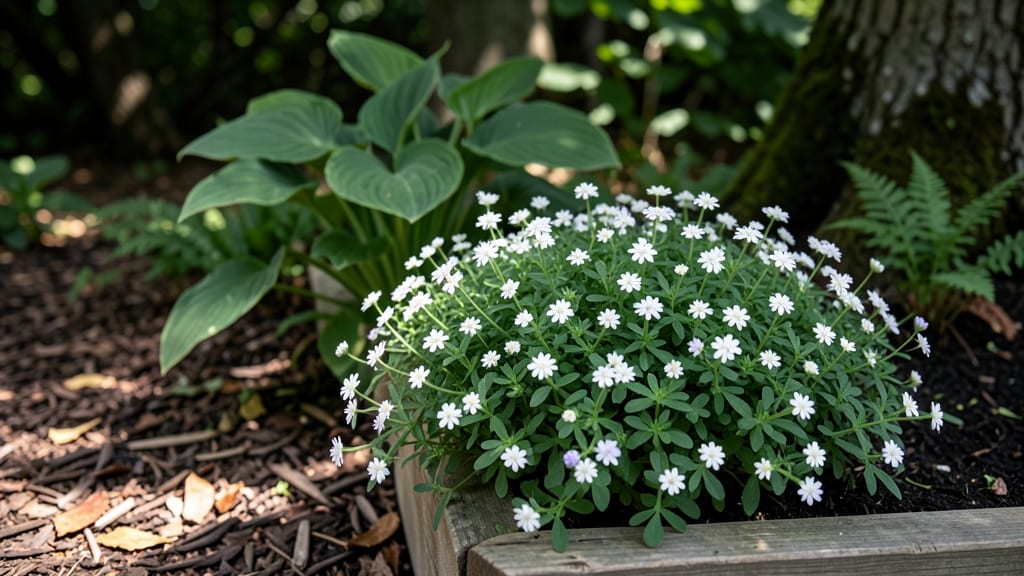
Alyssum can grow in shade but thrives best in partial shade to full sun, producing fewer blooms and slower growth in deep shade. Choose shade-tolerant varieties like Alyssum maritimum for better results in low-light areas while ensuring well-draining soil and consistent moisture.
Alyssum's ability to tolerate shade depends on how much light it actually receives. In partial shade—think dappled sunlight or morning sun—it will still bloom but with less vigor. 🌿 The key is avoiding deep shade, where growth slows dramatically and flowers become sparse.
I've seen Alyssum maritimum thrive under trees when paired with well-draining soil, proving shade tolerance isn't all-or-nothing. For best results, aim for at least 3-4 hours of indirect light daily, and supplement with moisture-sensitive care.
What many gardeners overlook is how shade affects the plant's root development. Alyssum grown in low light often develops shallower roots, making it more susceptible to drought stress. This is why consistent moisture matters—it compensates for the reduced energy the plant gets from sunlight.
If you're working with a shady spot, consider mixing in companion plants like sweet alyssum's cousin, Lobularia maritima, which handles shade slightly better while still encouraging blooms.
💡 In This Article
- How Shade Affects Alyssum Growth and Flowering
- Best Shade-Tolerant Alyssum Varieties for Low-Light Gardens
How shade affects alyssum growth and flowering
Alyssum's ability to survive in shade comes down to photosynthesis limitations. In low-light conditions, the plant's chlorophyll molecules absorb less energy, reducing glucose production by up to 40% compared to full sun.
This energy deficit forces the plant to prioritize basic functions over flowering, which is why you'll see fewer blooms in shady spots. The leaves also become thicker and darker green as the plant compensates by producing more chlorophyll to capture whatever light is available.
The impact on flowering is particularly noticeable. Alyssum varieties that produce 30-50 flowers per stem in full sun may only develop 5-10 flowers in deep shade, and those flowers will be smaller.
This happens because the plant redirects energy from reproductive growth to vegetative growth—meaning more leaf production but fewer blooms. The scent, which comes from volatile oils in the flowers, also becomes less pronounced in shade-grown plants due to reduced oil production.
Root development suffers too. In low-light conditions, alyssum roots grow more horizontally than vertically, creating a shallow network that struggles to access deep moisture. This makes shade-grown plants more vulnerable to drought stress, even with consistent watering.
The stems also tend to become leggier as they stretch toward available light, which weakens the plant's structure and makes it more susceptible to wind damage.
There's a silver lining, though: shade can actually extend the blooming season. In hot climates, alyssum grown in partial shade often continues flowering when sun-exposed plants would otherwise go dormant. This happens because cooler temperatures in shady spots reduce stress on the plant's metabolic processes.
For gardeners in zones with intense summer sun, this shade tolerance can mean 3-4 weeks of additional blooms compared to full-sun plantings.
One fascinating physiological adaptation occurs in shade-grown alyssum: the leaves develop a higher ratio of chlorophyll b to chlorophyll a. This shift helps the plant absorb more light in the blue-green spectrum, which is more abundant in shaded environments.
You can often spot this by the slightly bluish tint to the leaves of shade-acclimated plants. This adaptation explains why some varieties, like Alyssum maritimum, handle shade better than others—they've evolved to optimize their light absorption in low-light conditions.
For best results, aim for 3-6 hours of indirect light daily—this gives the plant enough energy for moderate growth while still allowing it to produce flowers. Morning sun combined with afternoon shade works particularly well, as it provides gentle light without the stress of intense afternoon heat.
Mulching with organic matter can also help compensate for reduced photosynthesis by improving soil moisture retention and microbial activity.