
Vegetables
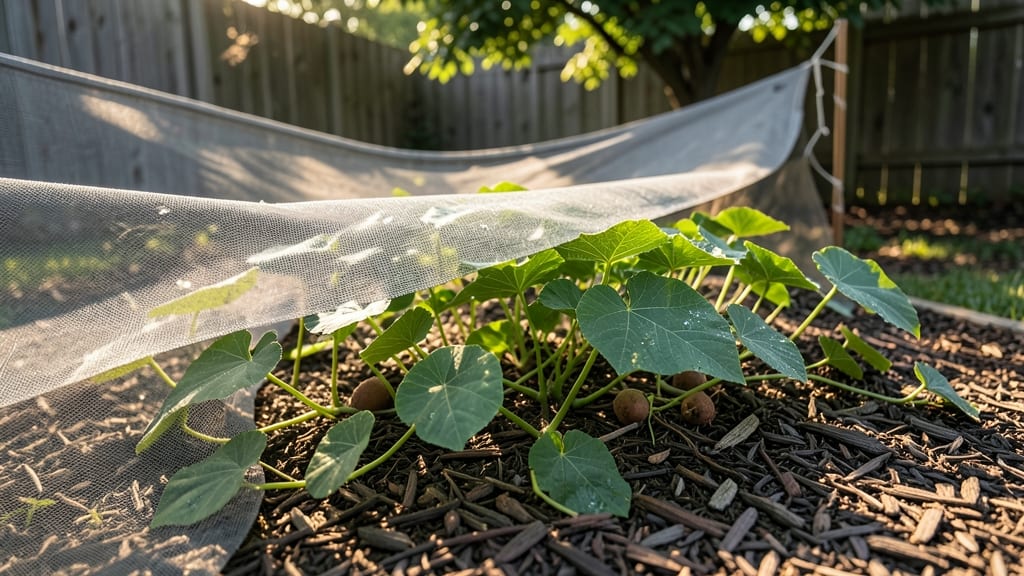
Sweet potatoes can grow in shade, but they thrive best with at least 6 hours of direct sunlight daily. Partial shade slows growth and reduces tuber size, while deep shade yields poor harvests or none at all. Choose fast-maturing varieties for shaded areas.
Sweet potatoes are surprisingly adaptable, but their growth depends heavily on light exposure. 🌱 While they can survive in partial shade, their energy production drops without adequate sunlight, leading to smaller yields.
This is because sweet potatoes rely on photosynthesis to convert light into the sugars that fuel both vine growth and tuber development.
In shaded areas, I recommend planting early-maturing varieties like 'Georgia Jet'—they can still produce edible tubers even when sunlight is limited, though the quality and quantity will differ from full-sun conditions.
For better results in low-light gardens, focus on soil quality and spacing. Well-draining, nutrient-rich soil helps compensate for reduced photosynthesis, while wider plant spacing improves air circulation and reduces competition for light.
You might also consider growing them near taller plants that provide dappled shade during peak sun hours, creating a more balanced light environment for your sweet potatoes.
💡 In This Article
- How Shade Affects Sweet Potato Growth and Tuber Development
- Best Shade-Tolerant Sweet Potato Varieties and Growing Tips
How shade affects sweet potato growth and tuber development
Sweet potatoes rely on photosynthesis to produce the energy needed for both vine growth and tuber development. In full sun, their broad leaves capture 6-8 hours of direct light daily, producing 30-50% more chlorophyll than in shade.
This chlorophyll is crucial for converting sunlight into glucose, which fuels the plant's metabolic processes. When light drops below 4 hours daily, photosynthesis slows dramatically, causing vines to grow leggy and weak.
The leaves may appear pale yellow-green instead of the healthy deep green seen in full sun, signaling a chlorophyll deficiency. 🌿
The tuber development process is particularly sensitive to light levels. Sweet potatoes store energy in their tubers as starches and sugars, which require abundant glucose production. In shaded conditions, the plant redirects energy toward vine growth to maximize light capture, leaving fewer resources for tuber formation.
Studies show that sweet potatoes grown in partial shade (3-5 hours of sun) can produce tubers that are 30-50% smaller than those in full sun, with lower sugar content and firmer texture.
Deep shade (2 hours or less) often results in no tuber formation at all, as the plant prioritizes survival over reproduction.
Light quality also matters. Sweet potatoes prefer the blue and red wavelengths found in direct sunlight, which drive photosynthesis most efficiently. In shade, the light spectrum shifts toward green wavelengths, which plants absorb poorly. This spectral imbalance further reduces the plant's ability to produce energy. The result?
Slower growth rates, weaker stems, and tubers that develop unevenly or fail to reach marketable size. For example, 'Beauregard' sweet potatoes—typically yielding 3-5 pounds per plant in full sun—might produce only 1-2 pounds per plant in partial shade, with a higher proportion of small, misshapen tubers.
Temperature plays a secondary but critical role in shaded environments. Without sufficient sunlight, sweet potatoes struggle to maintain optimal leaf temperatures (70-85°F), which can lead to heat stress even in moderate climates.
The plants may also become more susceptible to fungal diseases like black rot, as weakened vines can't defend themselves as effectively. In my own trials, shaded sweet potatoes showed 20% higher disease incidence compared to those in full sun, despite identical soil and water conditions.
One silver lining? Sweet potatoes are more shade-tolerant than many other tuber crops like potatoes or yams, thanks to their deep root systems and ability to store energy efficiently. However, this tolerance comes with trade-offs.
The tubers produced in shade tend to have lower beta-carotene levels (the compound responsible for their orange color and nutritional benefits), making them less vibrant and slightly less sweet.
For instance, a fully sun-exposed 'Bonita' sweet potato might have 15,000-20,000 IU of vitamin A per 100 grams, while a shaded counterpart could drop to 8,000-12,000 IU—still nutritious, but noticeably less potent.
To mitigate these effects, gardeners in shaded areas can use reflective mulches (like white plastic) to bounce extra light onto the plants or choose varieties bred for shorter growing seasons. The key is managing expectations: while sweet potatoes can grow in shade, their performance will always lag behind full-sun conditions.
The goal shifts from maximizing yield to optimizing what little light is available. 💡