
Size
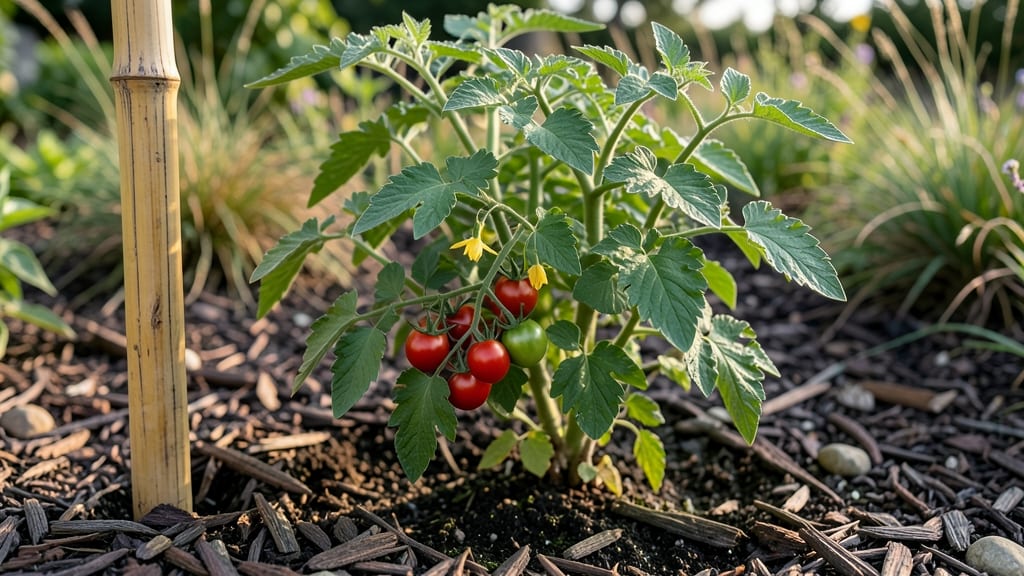
Cherry tomatoes can grow in shade—but only with the right dwarf varieties and smart adjustments. 🌱 I’ve grown sweet, productive cherry tomatoes under balcony awnings and near north-facing walls by choosing shade-tolerant types like 'Tiny Tim' or 'Micro Tom' and giving them extra light tricks.
Most cherry tomatoes need 6-8 hours of sun daily, but these compact varieties handle 4-6 hours if you boost light with reflective mulch or move containers to sunnier spots midday. Leggy stems and few fruits? That’s your plant begging for more brightness—adjust before it’s too late.
With the right setup, you’ll harvest tiny, flavor-packed tomatoes even in shady spots. The key is matching variety to light, keeping leaves dust-free, and pruning to focus energy on fruiting—not just foliage. Your balcony or patio could be the envy of the neighborhood.
Works for urban balconies, covered porches, or even indoor grow lights. Here’s how to pick varieties, tweak light, and keep your shade-grown tomatoes thriving—no sunny patch required.
Why it happens
Cherry tomatoes are sun-loving plants at heart, and when they don’t get enough light, their growth slows, flowers drop, and yields suffer. But why exactly does shade create these problems? Let’s break down the science—and what you can do about it.
🌱 Limited Photosynthesis
Tomatoes rely on photosynthesis to convert sunlight into energy (glucose), which fuels growth, flowering, and fruiting. In shade, plants receive less than 6 hours of direct sunlight daily, drastically reducing their energy production. Here’s how it plays out:
- Weaker stems: Without enough energy, stems grow lanky and weak, increasing the risk of snapping under fruit weight.
- Fewer leaves: Plants prioritize survival over growth, producing smaller, paler leaves to conserve energy.
- Stunted roots: Shade-stressed tomatoes allocate energy to maintaining existing roots instead of expanding them, limiting nutrient and water uptake.
💡 Pro Tip: If your tomatoes are already in shade, supplement with a balanced fertilizer (10-10-10) to help them compensate for lost energy.
☀️ Poor Flower and Fruit Development
Cherry tomatoes need sunlight to trigger flowering hormones (florigen). In low light:
- Flowers drop: Buds fail to set fruit because the plant can’t support the energy demand of ripening tomatoes.
- Blossom end rot: Calcium uptake drops in stressed plants, causing the classic black, leathery spots on fruit.
- Small, bitter fruit: Even if tomatoes form, they’ll be underdeveloped and lack sweetness due to insufficient sugar production.
✨ Fix It: Prune lower leaves to improve air circulation and redirect energy to fruit-bearing branches. Use calcium-rich amendments (like crushed eggshells) to prevent rot.
🌡️ Temperature and Humidity Imbalances
Shady spots often mean cooler temps and higher humidity, which tomatoes despise. Here’s the ripple effect:
| Issue | Solution | |
|---|---|---|
| 🍄 Fungal diseases (early blight, powdery mildew) | Moist, stagnant air in shade creates the perfect breeding ground for pathogens. | Space plants 18–24 inches apart for airflow; use copper fungicide preventatively. |
| 🥶 Slow ripening | Cooler temps delay ethylene production, the hormone that triggers ripening. | Choose heat-tolerant varieties (like ‘Solar Fire’) or use a grow light for 4–6 hours/day. |
| 💦 Waterlogged soil | Shade slows evaporation, leading to soggy roots and root rot. | Improve drainage with compost or perlite; water at the base (not overhead). |
🌿 Competition from Weeds and Overgrowth
Shady gardens often host aggressive weeds (like bindweed or clover) that steal nutrients and block sunlight further. Even mulch can become a problem if it’s too thick, smothering young tomato plants. Actionable fixes:
- Use straw mulch (2–3 inches thick) to suppress weeds without suffocating plants.
- Hand-pull weeds weekly—they grow faster in shade!
- Train vines to a trellis or cage to maximize light exposure to leaves.
Boosting Shade-Loving Tomato Growth
If your cherry tomatoes are struggling in low-light spots, don’t despair! With the right adjustments, you can turn those shady corners into productive growing zones. Below are practical, step-by-step solutions tailored to common shade-related challenges—plus tips to keep your plants thriving long-term.
Problem: Your tomatoes aren’t getting enough sunlight (6–8+ hours/day is ideal), leading to weak stems, sparse foliage, or small, bland fruits.
Solutions:
- 🔥 Move to a Sunnier Spot (If Possible)
- Relocate pots or containers to a south- or west-facing area where they’ll get at least 4–6 hours of direct sun.
- Use reflective surfaces (like white walls or mirrors) to bounce extra light onto plants.
- 🍳 Use Grow Lights for Supplementation
- Install LED grow lights (full-spectrum bulbs) 12–18 inches above plants for 12–14 hours/day.
- Pro Tip: 💡 Place lights on a timer to mimic natural daylight cycles and prevent leggy growth.
- 👨🍳 Choose the Right Varieties
- Opt for dwarf or determinate cherry tomatoes like:
- Tiny Tim (compact, thrives in partial shade)
- Balcony Red (small but productive in low light)
- Micro Tom (ultra-dwarf, tolerates shade better than most)
- Opt for dwarf or determinate cherry tomatoes like:
Problem: Shady spots often mean slower growth, leading to overcrowded plants that compete for nutrients and spread disease.
Solutions:
- ✂️ Prune Strategically
- Remove lower leaves (up to 12 inches from the ground) to improve airflow and reduce humidity-related diseases.
- Pinch back suckers (side shoots) to direct energy to fruit production.
- 📊 Space Plants Correctly
- Dwarf varieties: 18–24 inches apart
- Bush varieties: 24–36 inches apart
- Vertical gardening: Use trellises or cages to save space and improve light exposure for lower leaves.
- 🎯 Rotate Containers Regularly
- If growing in pots, rotate them weekly so all sides get equal sun exposure (even if indirect).
Problem: Shade slows evaporation, leading to overwatering or nutrient deficiencies if not managed properly.
Solutions:
- 🔥 Water Deeply but Less Frequently
- Check soil moisture before watering—shady soil stays damp longer.
- Use well-draining soil (mix in perlite or coconut coir) to prevent root rot.
- 🍽️ Feed with Shade-Friendly Nutrients
- Balanced fertilizer (10-10-10 or 5-5-5) every 2–3 weeks to support slower growth.
- Avoid high-nitrogen feeds (like lawn fertilizers)—they promote leafy growth at the expense of fruit.
- Pro Tip: 🌱 Add compost or worm castings at planting for slow-release nutrients.
- ⏰ Monitor for Pests
- Shady, humid conditions attract aphids, whiteflies, or fungal issues.
- Prevent with:
- Neem oil spray (weekly preventive treatment)
- Yellow sticky traps for flying pests
- Copper fungicide if leaves show signs of blight
To keep your shade-grown cherry tomatoes healthy and productive year after year:
- 💡 Start with shade-tolerant seeds (some nurseries label varieties as "partial shade" friendly).
- 🌡️ Mulch to retain moisture (use straw or shredded leaves to keep roots cool and hydrated).
- 🔄 Succession plant every 2–3 weeks for a continuous harvest (shade slows growth, so staggered planting helps).
- 📅 Plan for seasonal shifts—move containers indoors or to a greenhouse if your climate gets very little sun in winter.
Final Note: With these adjustments, your cherry tomatoes can not only survive but thrive in shadier spots—proving that even low-light gardens can be bountiful! 🍅✨
Frequently asked questions about growing cherry tomatoes in shade
What's the minimum sunlight cherry tomatoes need to produce fruit?
Most cherry tomato varieties need 6-8 hours of direct sunlight daily for optimal fruiting. However, shade-tolerant dwarf varieties like 'Tiny Tim' or 'Micro Tom' can produce small harvests with just 4-6 hours. Anything less than 4 hours will likely result in leggy plants and minimal fruit.
Will cherry tomatoes grow at all in full shade?
No, they won't thrive in full shade (less than 2-3 hours of light). While they may survive, you'll see very few flowers and tiny, underdeveloped fruit. For any meaningful harvest, you need at least partial shade with some direct sunlight—even just a few hours helps.
How can I tell if my shade-grown tomatoes aren't getting enough light?
Watch for these red flags: long, thin stems, small pale leaves, and few to no flowers. If your plants look more like vines than tomato bushes and produce almost no fruit, they're begging for more light. Leggy growth is the biggest warning sign.
Can I grow cherry tomatoes indoors under artificial light?
Yes! Use LED grow lights (12-14 hours/day) positioned 12-18 inches above plants. Dwarf varieties like 'Balcony Red' work well indoors. Rotate plants weekly for even growth, and supplement with a balanced fertilizer every 2-3 weeks.
What's the best shade-tolerant cherry tomato variety for containers?
'Tiny Tim' is the top pick for containers—it stays under 12 inches tall and produces abundant 1-inch tomatoes even with 4-5 hours of light. Other great options include 'Micro Tom' (ultra-compact) and 'Balcony Red' (bushy and productive). All three handle shade better than standard varieties.