
Light Requirements
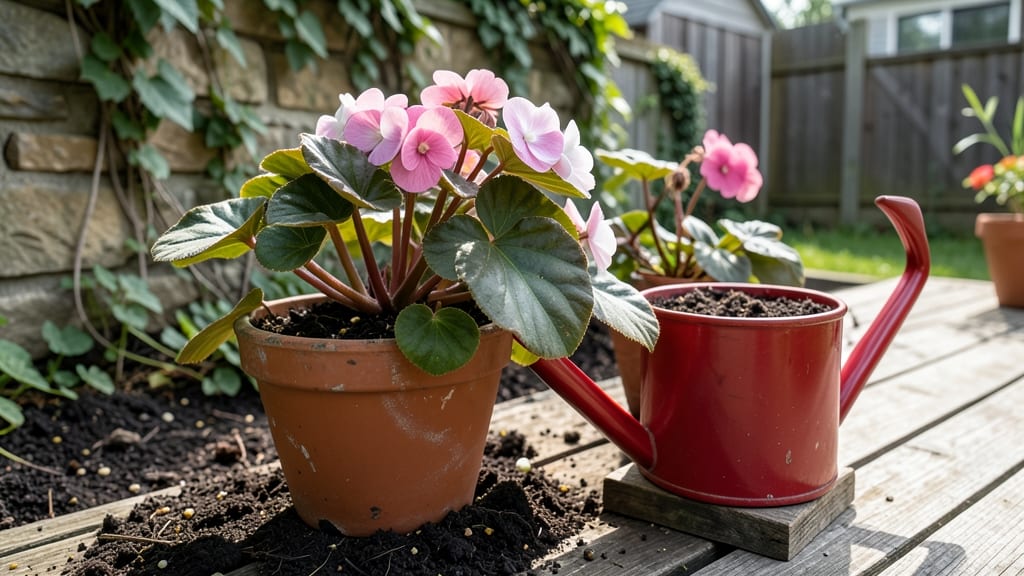
Begonias can grow in shade, thriving in low to moderate light conditions, though their growth and flowering depend on variety—some tolerate deep shade while others need bright indirect light for optimal health. Choose shade-tolerant types like Rex or Dragon Wing begonias for best results.
Shade-loving begonias thrive where other plants struggle, thanks to their ability to adapt to low-light environments. 🌿 The key lies in their leaf structure—thicker foliage in varieties like Rex begonias helps capture minimal light efficiently.
However, even shade-tolerant types may show reduced blooming if light drops below 1,000 foot-candles, which is roughly the brightness of a dimly lit room. I’ve found that positioning them near north-facing windows or under dappled tree canopy often yields the best balance between growth and flowering.
For optimal results, pair shade begonias with well-draining soil and regular misting—they appreciate humidity but hate soggy roots. If you notice leggy stems or pale leaves, it’s a sign they’re stretching for more light.
In these cases, a simple adjustment like moving the plant closer to a light source or supplementing with a grow light can work wonders.
💡 In This Article
- How Light Levels Affect Begonia Growth and Blooming
- Best Shade-Tolerant Begonia Varieties for Low-Light Gardens
How light levels affect begonia growth and blooming
Begonias rely on chlorophyll in their leaves to convert light into energy through photosynthesis, but their efficiency varies dramatically with light intensity. In low-light conditions (below 1,000 foot-candles), begonias like Rex varieties compensate by developing thicker, waxy leaves that reflect less light while still capturing enough energy.
This adaptation explains why their foliage often appears velvety or metallic—it’s not just aesthetics, but a survival mechanism for shade. 🌿
The science gets even more interesting when you consider phytochrome pigments, which detect light quality and trigger flowering. Begonias need at least 4-6 hours of indirect light daily to produce these pigments effectively.
Without sufficient light, the plant diverts energy toward leaf growth instead of blooming, resulting in those leggy stems and sparse flowers. Think of it like a plant version of malnutrition—it’s not getting the right nutrients (in this case, light) to thrive fully.
Leaf variegation also responds to light levels. Begonias with patterned leaves, like Begonia rex 'Silver Greenhart', often lose their vibrant colors in deep shade because the chlorophyll dominates without enough light to maintain pigment balance.
The same goes for blooming varieties—Angel Wing begonias may produce fewer flowers in dim conditions, though their lush foliage will still provide visual appeal. This is why many gardeners opt for foliage-focused varieties in low-light spots.
Signs of light deprivation are your first warning system. Watch for pale, sparse leaves, stems stretching toward the nearest light source (etiolation), and buds that fail to open. These symptoms indicate the plant is desperate for more energy.
In contrast, too much direct sun can scorch delicate leaves, so the sweet spot is often bright indirect light, like what you’d find under a sheer curtain or in a north-facing window. 💡
For container growers, this means choosing the right spot is critical. A windowsill might seem ideal, but if it’s a south-facing one with harsh afternoon sun, your begonias could suffer. Instead, aim for east or west exposures where light is gentler.
Even a few hours of morning sun can make a world of difference for varieties like Dragon Wing begonias, which tolerate shade but still need some light to trigger their stunning red or pink blooms.
If you’re dealing with truly dim conditions, supplementing with a grow light (like a full-spectrum LED) for 8-12 hours daily can mimic natural light cycles. Place the light 12-18 inches above the plant to avoid heat stress, and adjust the height as the begonia grows.
This setup mimics the dappled light of a forest understory, where many shade-loving begonias evolved to thrive.