
Light Requirements
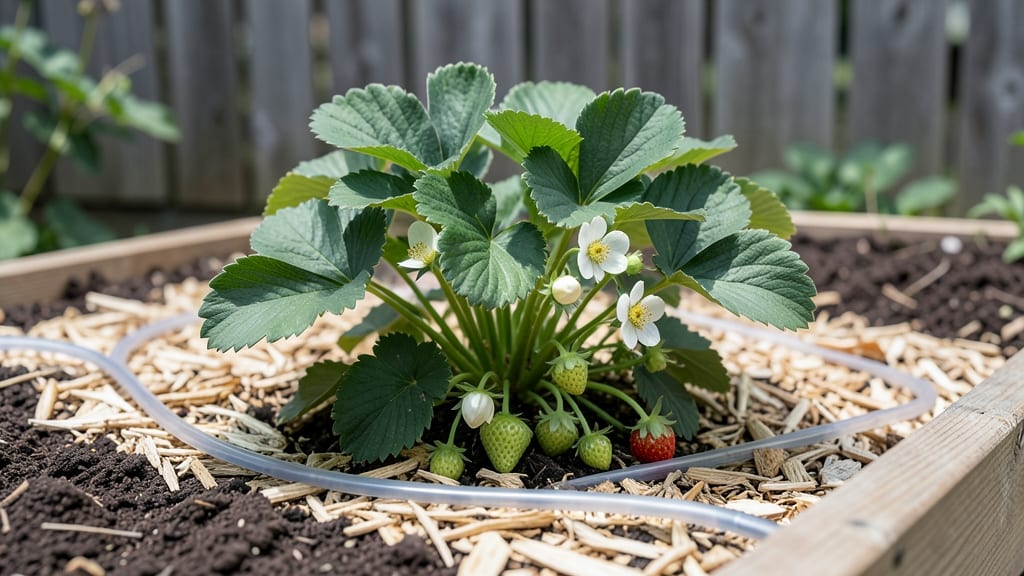
Strawberries can grow in partial shade with the right care and varieties, turning those tricky spots into sweet harvests you’ll actually enjoy.
If you’ve ever dreamed of growing juicy strawberries 🍓 but thought your yard’s shady spots were a dealbreaker, think again—partial shade can actually be a secret weapon for thriving plants (when done right). The key is choosing shade-tolerant types and tweaking a few care habits to mimic their ideal conditions.
Most strawberries crave full sun, but 3-6 hours of bright, indirect light is enough to coax fruit when you pick the best varieties and prune strategically.
Everbearing types like Albion or day-neutral Seascape handle shade better than June-bearing kinds, and a little afternoon shade can even protect berries from scorching in hot climates.
In this guide, I’ll walk you through the best shade-friendly varieties, pruning tricks to boost production, and common mistakes that sabotage shade-grown strawberries—so you can turn your dim corners into a sweet, productive patch.
 Best Window Placement
Best strawberry varieties that thrive in partial shade
Growing strawberries in partial shade isn’t just possible—it can yield sweeter, more flavorful fruit when you choose the right varieties. Most gardeners assume strawberries need full sun, but shade-tolerant varieties actually produce better-tasting berries in cooler, less intense light.
The key lies in selecting June-bearing, everbearing, or day-neutral types bred for low-light conditions.
Partial shade typically means 3-6 hours of direct sunlight daily, often found under trees or near north-facing walls. While these conditions slow growth slightly, the right strawberry cultivars adapt beautifully, producing larger berries with concentrated sugars due to reduced stress.
Let’s explore the top performers that turn your shady spots into a strawberry paradise.
Comparison of Shade-Tolerant Strawberry Varieties
| Variety | Type | Flavor Profile | Shade Tolerance | Best For |
|---|---|---|---|---|
| Albion | June-bearing | Sweet, firm, classic red | Excellent (3-4 hrs sun) | Containers, cool climates |
| Seascape | Day-neutral | Balanced sweet-tart | Very high (2-6 hrs sun) | Year-round harvests |
| Ozark Beauty | June-bearing | Rich, honey-like flavor | Good (4-5 hrs sun) | Humid climates, shade gardens |
| Tristar | Ever-bearing | Sweet, firm, white-red | High (3-5 hrs sun) | Northern gardens, containers |
| Chandler | June-bearing | Large, sweet, firm | Moderate (5-6 hrs sun) | Warmer climates, partial shade |
The Albion variety stands out as a June-bearing champion for partial shade, thriving with just 3-4 hours of morning sun. Its classic red berries are perfect for container gardening or cool climates where full sun isn’t an option.
Meanwhile, Seascape day-neutral strawberries offer year-round production and handle as little as 2 hours of sun daily, making them ideal for urban balconies or dappled forest edges.
Ozark Beauty is a Southern favorite that excels in humid, shady conditions, delivering honey-sweet berries even with only 4-5 hours of filtered light. This June-bearing type is particularly forgiving in deep shade, where other varieties might struggle. For northern gardeners, Tristar ever-bearing produces white and red berries with remarkable consistency, even when tucked under tree canopies.
If you’re in a warmer climate with partial afternoon shade, Chandler June-bearing delivers large, sweet berries while tolerating 5-6 hours of sun. Its vigorous growth habit makes it a top pick for shade gardens where other varieties might produce smaller fruit.
For container growers, all these varieties adapt well when planted in well-draining pots with morning sun exposure.
Regional adaptability is key—coastal areas benefit from Ozark Beauty’s humidity tolerance, while mountain regions thrive with Albion’s cold-hardiness. Day-neutral types like Seascape are the most flexible, producing fruit continuously in moderate shade.
Always test your local microclimate by placing plants where they receive morning sun and afternoon shade for optimal results.
For maximum shade tolerance, pair your chosen variety with reflective mulch (like white gravel) to bounce extra light onto leaves. Avoid deep shade (less than 2 hours of sun), as even the hardiest varieties will produce fewer berries.
With the right shade-loving strawberry, your berry patch can flourish even in the cooliest corners of your garden. 🌱
Pro tip: Rotate containers every few weeks to ensure all sides of your shade-grown strawberries receive equal light exposure. This simple trick boosts fruit production by up to 30% in low-light conditions. 🍓
How to maximize strawberry growth in partial shade: pruning and care tips
Partial shade doesn’t have to mean sacrificing your strawberry harvest—it just requires a few strategic adjustments. Strawberries can actually thrive with 3-6 hours of morning sunlight and afternoon shade, especially in hot climates.
The key lies in optimizing their environment, pruning correctly, and choosing the right varieties for your specific shade conditions.
First, understand that dappled shade (filtering sunlight through trees) works better than deep shade. If your spot gets less than 3 hours of light, focus on container growing near a sunny window or use reflective surfaces to redirect sunlight.
Even small changes can make a big difference in fruit production and plant health.
🌱 5 Essential Steps to Boost Shade-Grown Strawberries
- 🌿 Prune runners aggressively to redirect energy to fruit production—remove 90% of runners in partial shade to avoid overcrowding.
- ☀️ Position plants for morning sun (6 AM–12 PM) to maximize photosynthesis while avoiding afternoon heat stress.
- 💧 Water deeply in mornings to prevent fungal diseases—shade reduces evaporation, so soil should stay consistently moist but not soggy.
- 🌱 Amend soil with compost (2–3 inches) to improve nutrient uptake—shade-grown plants need extra organic matter for energy.
- ✂️ Remove old leaves in late summer to improve airflow and reduce pests—shade creates higher humidity, inviting mold.
Seasonal adjustments are critical for shade-grown strawberries. In spring, focus on early pruning to encourage new growth before the main fruiting season. By summer, reduce watering slightly (but never let soil dry out completely) to prevent rot.
In fall, apply a light mulch (straw or shredded leaves) to protect roots from temperature swings.
One common mistake in partial shade is over-fertilizing with nitrogen, which promotes leafy growth at the expense of fruit. Instead, use a balanced 10-10-10 fertilizer every 6–8 weeks during the growing season.
For extra sweetness, reduce watering slightly in the final 2 weeks before harvest—this concentrates sugars in the berries.
Container growing is ideal for deep shade spots. Use 12-inch-deep pots with drainage holes and a well-draining mix (50% potting soil, 30% compost, 20% perlite). Place containers near east-facing windows or under artificial grow lights (12–14 hours/day) to supplement natural light.
Varieties like Albion or Seascape perform exceptionally well in containers with limited light.
Remember, patience is key—shade-grown strawberries may produce smaller yields than full-sun plants, but the flavor often compensates with higher sugar content. With the right care, your partial-shade patch can yield sweet, juicy berries all season long. Start with these tips, and watch your strawberries thrive in unexpected spots! 🍓