
Shrubs
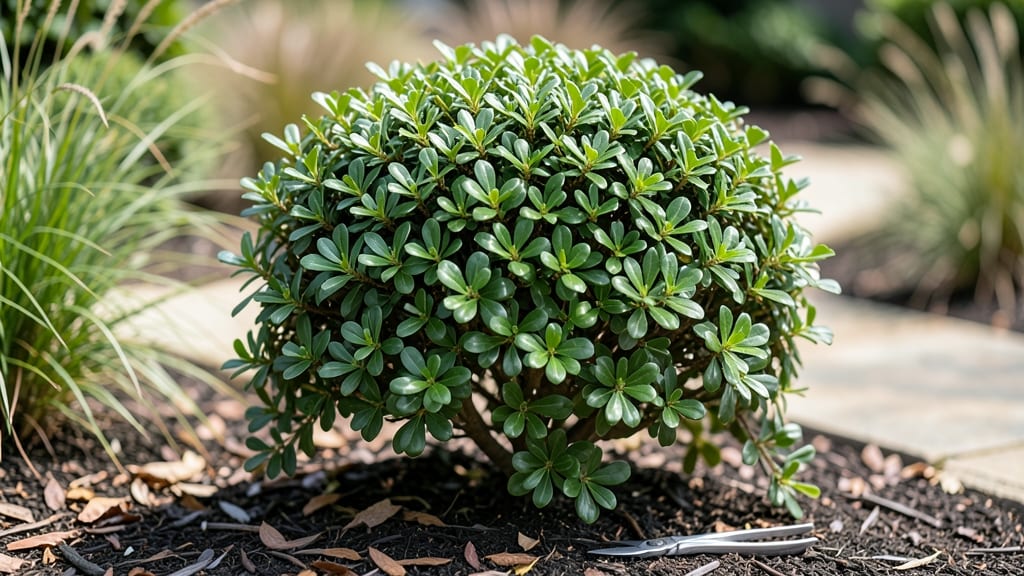
One of boxwood’s greatest strengths is its remarkable boxwood shade tolerance—under towering oaks where most plants wilt, they stay lush and evergreen, turning even the darkest corners into thriving gardens. 🌿 I’ve grown them for years, and they’ve never disappointed.
The secret isn’t forcing light but matching their needs to the environment they’re in.
These shrubs handle partial to full shade beautifully, but growth slows in deep darkness. They’ll still stay green and compact, just with slightly slower growth than sun-happy plants. The key adjustments?
Rich, moist soil with organic matter and regular watering—shade means less evaporation, so roots stay happy without drowning. Prune lightly in late winter to shape them without stressing the plant.
What you’ll end up with is a dense, evergreen hedge that blocks unsightly views while requiring almost no summer maintenance. The foliage stays glossy and healthy, and pests avoid the shady conditions.
No more patchy, yellowing shrubs—just reliable, year-round structure. The trade-off? Slower growth, but that just means fewer pruning sessions for you.
Works for foundation plantings, woodland gardens, or any spot where sunlight is scarce. Just avoid waterlogged soil and over-fertilizing—shade-loving boxwoods don’t need extra nutrients to shine. Here’s how to keep them thriving in the darkest corners of your yard.
📚 In This Guide
- What you need
- Instructions
- Tips and common mistakes
- Wrapping up and next steps
What you need
- ● Boxwood plants: Choose Buxus sempervirens (English boxwood) or Buxus microphylla (Korean boxwood) for best shade tolerance. Buy 3–5 plants per foot of hedge (e.g., 30 plants for a 10-foot hedge). Opt for 1–2 gallon containers for mature size or quart-size pots for smaller projects.
- ● High-quality soil: 50 lbs of organic compost (e.g., peat moss or coconut coir) mixed with 2 cubic yards of well-draining garden soil per 100 sq ft. Boxwoods thrive in slightly acidic to neutral soil (pH 6.0–7.0).
- ● Mulch: 2–3 inches of wood chips or shredded bark (cover the root zone, not the trunk). Avoid dyed mulch—it can harm plants!
- ● Fertilizer: Slow-release granular fertilizer: 1 lb per 100 sq ft (look for a 10-10-10 or 12-12-12 NPK ratio for balanced growth).
- ○ Optional: A mycorrhizal inoculant (1 lb) to boost root health in shaded areas.
- ● Tools: Garden trowel or spade
- ● Pruning shears (sharp, bypass-style for clean cuts)
- ● Garden gloves (to protect from boxwood’s mildly irritating leaves)
- ● Measuring tape or string & stakes (for layout)
- ● Watering can or hose with a gentle spray nozzle
- ● Soil amendments: Lime (if soil is too acidic) or sulfur (if too alkaline)—test your soil first!
- ● Epsom salt: 1 tbsp per plant (mixed into soil) for magnesium boost in low-light areas.
- ● Drip irrigation system: Automates watering for consistent moisture (critical for shade-loving boxwoods).
- ● Plant supports: Stakes or cages (if planting in windy areas or for young, top-heavy varieties).
- ● Deer repellent: Spray or physical barriers if local wildlife is a concern!
How to select and plant boxwoods for shady spaces
Boxwoods thrive where others falter—here’s how to choose the right varieties and plant them for maximum shade success.
🌿 Step 1: Choose the Right Boxwood Variety for Your Light Conditions
Not all boxwoods handle shade equally. For partial shade (3-6 hours of sun daily), opt for 'Green Velvet' or 'Winter Gem'—their glossy leaves stay vibrant even in low light. For deep shade (less than 3 hours of sun), 'Dwarf English' or 'Kingsville' varieties tolerate dimmer corners better than others.
Look for labels indicating shade tolerance—this ensures you’re not buying a sun-loving cultivar that will yellow and decline. I always check the plant tag first; a little research now prevents disappointment later. If your space has filtered light (like under deciduous trees), any boxwood will work, but the more shade, the slower the growth—expect about half the growth rate compared to full-sun conditions.
🪴 Step 2: Prepare the Planting Site for Optimal Drainage
Boxwoods hate soggy roots, so amend native soil with 20% perlite or sand if it’s heavy clay. Dig a hole twice as wide as the root ball but only as deep—planting too deep suffocates roots. I like to loosen the sides of the hole with a fork to encourage root spread into surrounding soil.
For acidic soil (common in shade gardens), mix in peat moss or composted pine needles to lower the pH slightly. Test your soil first—boxwoods prefer pH 5.5-7.0, and adjustments here make all the difference in long-term health. Water the hole thoroughly before planting to eliminate air pockets around the roots.
☀️ Step 3: Plant and Mulch for Moisture Retention
Place the boxwood so the top of the root ball sits level with the surrounding soil—never deeper. Backfill with native soil mixed with 1 cup of slow-release fertilizer per plant to give it a nutrient boost. Gently press the soil around the roots to remove air gaps, then water deeply until moisture reaches 6 inches down.
Apply 2-3 inches of mulch (pine bark or shredded leaves) but keep it 6 inches away from the trunk to prevent rot. Mulch conserves moisture and keeps roots cool in summer shade. I avoid thick layers—too much mulch smothers roots and attracts pests. After planting, water once a week unless rainfall provides 1 inch of moisture—boxwoods in shade need consistent hydration but won’t tolerate soggy soil.
✂️ Step 4: Prune for Shape and Health in Early Spring
Wait until late winter or early spring to prune—this gives the plant time to recover before summer heat. Use clean, sharp shears and cut just above a leaf bud to encourage bushy growth. I avoid heavy pruning in shade; boxwoods grow slower there, so light shaping (removing only dead or overgrown branches) keeps them compact without stress.
Watch for yellowing leaves—this often signals overwatering or poor drainage. If you see it, reduce watering and check the soil. Boxwoods in shade also benefit from a light feeding in early spring with 10-10-10 fertilizer (follow label rates). Prune again in mid-summer to tidy up, but never cut into old wood—new growth won’t form there.
Tips & tricks for perfect boxwood shade planting
Between us, the right boxwood can transform a dim corner into a lush, evergreen haven—but only if you nail the details. Here’s what nobody tells you about making shade-loving boxwoods thrive.
Variety Selection: The 3-6 hours of partial shade guideline is your starting point, but pay attention to leaf color too. 'Green Velvet' and 'Winter Gem' varieties maintain their rich green hue even in low light, while 'Dwarf English' and 'Kingsville' handle deep shade better. Pro tip: Look for plants labeled "shade-tolerant" on the tag—this single detail prevents years of disappointment with sun-loving cultivars that yellow and decline.
Soil Preparation: That 20% perlite or sand amendment in Step 2 isn't just about drainage—it creates the perfect air-to-soil ratio for roots to breathe. For acidic soils (common in shade gardens), I've found that mixing in composted pine needles actually improves nutrient availability while lowering pH naturally. The key is testing first—boxwoods prefer pH 5.5-7.0, and adjustments here make all the difference in long-term health.
Planting Depth: Never plant deeper than the root ball—this is a critical mistake I see all too often. The top should sit level with surrounding soil, not buried. When you backfill, gently press the soil around roots to eliminate air pockets, then water until moisture reaches 6 inches down. This ensures roots establish contact with moist soil immediately, which is especially important in shade where evaporation is slower.
Mulching Strategy: That 2-3 inches of mulch (pine bark or shredded leaves) works wonders, but placement matters. Keep mulch 6 inches away from the trunk to prevent rot—a common oversight that leads to trunk diseases. The mulch layer should be thick enough to conserve moisture but not so thick it smothers roots. In shade gardens, I've found that mulching actually helps regulate soil temperature, keeping roots cool during summer's occasional heat spikes.
Pro Tips for Boxwood Shade Tolerance
- Between us, the right boxwood can transform a dim corner into a lush, evergreen haven—but only if you nail the details.
- Variety Selection: The 3-6 hours of partial shade guideline is your starting point, but pay attention to leaf color too.
- Soil Preparation: That 20% perlite or sand amendment in Step 2 isn't just about drainage—it creates the perfect air-to-soil ratio for roots to breathe.
Frequently asked questions
Got questions about growing boxwood in shady spots?
Here are answers to the most common concerns—so you can create that dream evergreen privacy screen without stress!
How much shade can boxwood actually handle?
Boxwood thrives in partial to full shade, but "full shade" (less than 2 hours of direct sun) may slow growth and reduce vibrancy. For dense, lush foliage, aim for 3–6 hours of filtered light (e.g., under tall trees or on north-facing walls). Dwarf varieties like 'Green Velvet' tolerate deeper shade better than larger types.
Will boxwood grow slower in low light?
Yes! Shade reduces growth rate by 30–50% compared to full sun. However, boxwood is patient—it won’t outpace its neighbors. To encourage growth, fertilize lightly in spring with a balanced shrub formula (10-10-10) and mulch to retain moisture. Patience pays off with long-term structure!
What’s the best boxwood variety for deep shade?
Not all boxwoods are equal! Top picks for low-light spots:
- 'Winter Gem' – Disease-resistant, glossy foliage, handles 4+ hours of shade.
- 'Green Velvet' – Compact, dense, and thrives in full shade.
- 'Dwarf Korean' – Slow-growing, great for borders under trees.
Why are my boxwood leaves turning yellow in shade?
Yellowing ("chlorosis") in shade usually means nutrient deficiency (especially iron or nitrogen) or overwatering. Fix it by:
- Testing soil pH (boxwood prefers 6.0–7.0
- Applying a chelated iron supplement in early spring.
- Watering deeply but less often—shady soil stays damp longer.
Can I plant boxwood under mature trees?
Boxwood competes well with tree roots for moisture but avoid planting too close (keep 3–5 feet away from the trunk). Watch for:
- Competing roots—mulch heavily to protect boxwood roots.
- Leaf litter—clear fallen leaves to prevent fungal issues.
- Drip lines—plant outside the tree’s canopy edge for better light.
Wrapping up and next steps
Boxwoods are the unsung heroes of shady gardens—thriving where others falter with their exceptional shade tolerance and year-round greenery. 🌿 Whether you're crafting a cozy privacy hedge, framing a patio, or adding texture to a low-light landscape, these versatile shrubs deliver low-maintenance beauty with minimal fuss.
Ready to transform your dark corners into lush, evergreen havens?
🌱 Your Next Step:
Start small—plant a single boxwood as a test subject, or sketch your dream design! Pro tip: Pair with hostas or ferns for a layered, high-impact look. Grab your gloves, and let the greening begin!