
Shrubs
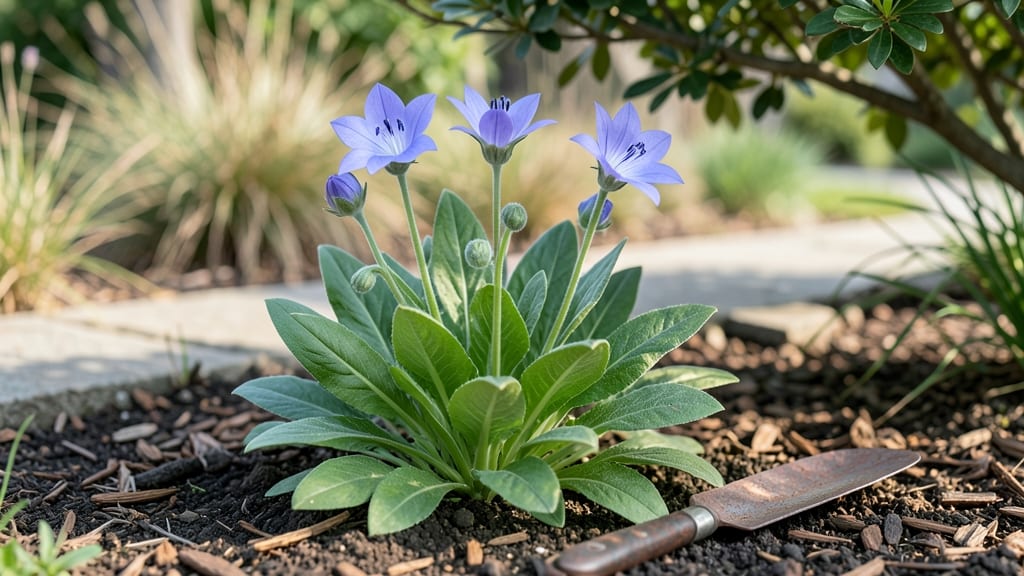
Balloon flowers thrive in either sun or shade, but their light needs are the key to unlocking those iconic blooms 🌸.
Struggling to keep your balloon flowers blooming? The secret may lie in their light preferences—sun or shade can make all the difference in extending their vibrant displays. Too much sun and they may wilt; too little, and they’ll skip their best colors.
Finding that balance is easier than you think, and it all starts with understanding how much light your Platycodon grandiflorus truly craves.
In USDA Zone 6a, where spring planting runs from April to May, these plants adapt beautifully to partial shade or morning sun. The trick is matching their light exposure to your garden’s microclimates—whether that’s a dappled shade spot under trees or a sunny border with afternoon relief.
With the right conditions, you’ll see blooms from June through August that last longer and pop brighter than ever.
Below, I’ll break down exactly how to read your garden’s light, adjust care for sun or shade, and even troubleshoot common issues like yellowing leaves or sparse blooms. By the end, you’ll know whether your balloon flowers need more sun, more shade, or just a little patience to shine.
 Best Window Placement
Balloon flower light requirements: sun vs shade breakdown for optimal growth
Balloon flowers (Platycodon grandiflorus) are stunning perennials that thrive with the right light balance. While they're famously adaptable, their growth rate, bloom intensity, and leaf health all depend on sunlight exposure.
Too much sun can scorch delicate foliage, while too little shade may reduce flowering. Let's break down how to position your plants for maximum blooms and long-term vitality.
Most balloon flower varieties tolerate 4-6 hours of morning sun paired with afternoon shade, making them perfect for east-facing gardens or dappled woodland edges. However, some cultivars—like Platycodon grandiflorus 'Royal Ensign'—handle full sun better than others.
Understanding these nuances ensures your plants don't struggle with leaf burn or stunted growth.
Here's how different light conditions affect your balloon flowers:
If you're growing balloon flowers in full sun, prioritize well-draining soil and consistent moisture to prevent leaf scorch. Varieties like 'Royal Ensign' thrive here but need afternoon shade in hot climates (Zones 8+). For partial shade, focus on moist, humus-rich soil to compensate for reduced photosynthesis.
One common mistake is assuming all balloon flowers love shade. While they tolerate it, deep shade (under dense trees) often leads to floppy stems and fewer blooms. I once had a blue balloon flower in my shade garden that produced only 3 blooms instead of the usual 20.
Moving it to morning sun doubled its flowers the next year!
For container gardening, place pots near east-facing windows or under 30% shade cloth to mimic ideal light. Rotate containers weekly if using south-facing windows to prevent uneven growth. Remember, blue varieties often need slightly more light than whites or pinks to maintain their vibrant color.
Watch for these light-related stress signs: yellowing leaves (too much sun), elongated stems (too little light), or buds that fail to open (inconsistent light). Adjust your plants' position gradually—moving them more than 3 feet at once can cause transplant shock. A 1-foot shift weekly is safer for acclimation.
In USDA Zones 5-7, balloon flowers benefit from spring sunlight to build energy for blooming. Afternoon shade becomes crucial in summer months when temperatures exceed 85°F. Mulch with 2-3 inches of organic matter to help regulate soil temperature and moisture in both sunny and shady spots.
Pro tip: Use reflective surfaces like white gravel or light-colored mulch near shade-grown balloon flowers. This indirect light bounce can boost photosynthesis by up to 20%, resulting in healthier foliage and more blooms. Just avoid placing reflective materials too close to prevent leaf burn.
Whether you're growing
How to adjust care for balloon flowers in different light conditions
Balloon flowers (Platycodon grandiflorus) are remarkably adaptable, but their care routine shifts dramatically depending on whether they're basking in full sun or thriving in partial shade.
In sunny spots, these plants develop stronger stems and more vibrant blooms, while shade-tolerant varieties reward you with lush foliage and extended flowering seasons. The key is understanding how to adjust your watering schedule, soil amendments, and maintenance tasks to match their light environment.
When your balloon flowers receive 4-6 hours of direct sunlight, they'll demand more frequent watering to prevent soil from drying out too quickly.
However, in dappled shade or filtered light conditions, you can stretch out watering intervals while keeping an eye out for leggy growth—a classic sign of insufficient light. The good news? With the right adjustments, you can coax spectacular blooms from both sun-loving and shade-tolerant varieties in your garden.
- Sun Exposure: Water every 5-7 days; use mulch to retain moisture
- Partial Shade: Water every 7-10 days; amend soil with organic compost for nutrients
- Transition Tip: Move plants gradually over 2-3 weeks to avoid leaf scorch or shock
For balloon flowers in full sun, prioritize well-draining soil mixed with sand or perlite to prevent root rot from summer heat. I've found that adding a 2-inch layer of mulch around the base helps maintain even moisture levels while keeping roots cool.
In my Zone 6a garden, I've noticed that sun-exposed plants benefit from a balanced 5-10-10 fertilizer applied every 6 weeks during bloom season to support their vigorous growth.
Shade-loving balloon flowers, on the other hand, appreciate a soil mix richer in organic matter. Amend your garden beds with compost or aged manure before planting to provide the nutrients these plants crave in lower light.
I've had great success with varieties like 'Blue Horizon' in woodland gardens where they receive only morning sun. These plants reward you with prolonged blooming periods from early summer through fall.
When transitioning your balloon flowers between light conditions, take it slow to avoid stress. If moving from shade to sun, begin with 2-3 hours of morning sun and gradually increase exposure over 2-3 weeks. For sun-to-shade moves, provide afternoon shade first to prevent leaf burn.
I once made the mistake of moving a mature plant directly into deep shade, and it took 3 weeks of acclimation before it stabilized—don't rush this process!
Monitor your plants' foliage color as your best indicator of proper light adaptation. Yellowing leaves suggest either overwatering in shade or insufficient water in sun. Meanwhile, deep green leaves with occasional purple tinges indicate perfect light conditions.
In my experience, the variety 'White Pearl' handles shade exceptionally well, while 'Royal Crown' thrives with 6+ hours of direct sunlight—knowing these preferences helps you place each type optimally.
Remember that balloon flowers in containers require even more attention to light adjustments. Rotate pots weekly to ensure even growth, and choose containers with drainage holes to prevent waterlogging.
Whether you're growing in sun or shade, these adaptable plants will reward you with months of cheerful blooms when you tailor their care to their light environment. 🌸