
Orchid Care
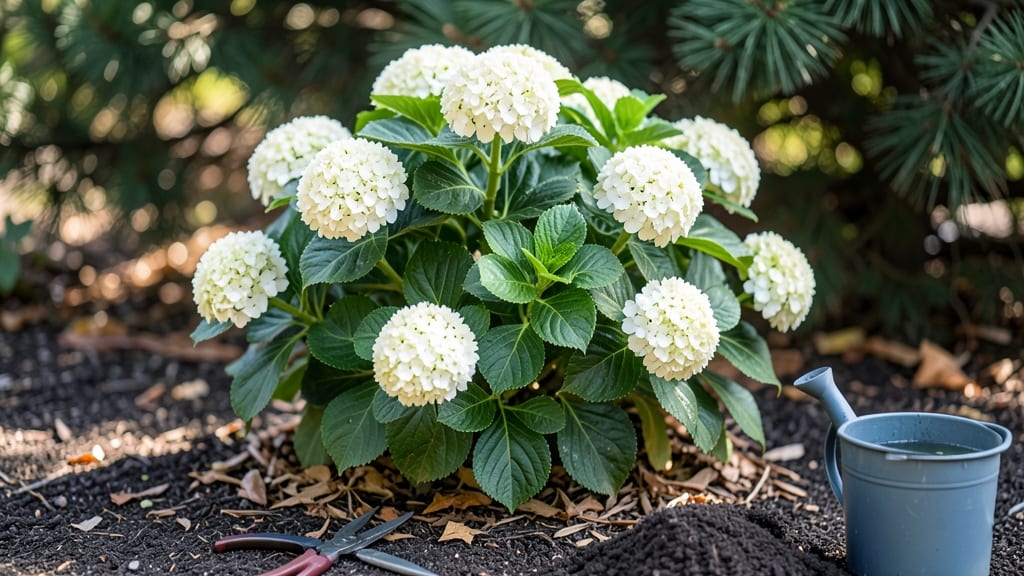
Growing an Annabelle hydrangea in sun or shade determines whether your plant thrives or struggles to bloom 🌸—and the answer might surprise you.
Struggling to get your Annabelle hydrangea to produce those show-stopping, globe-shaped blooms? The secret might be hiding in plain sight—your plant’s sunlight exposure could be making or breaking its performance.
Too much direct sun can scorch leaves, while too little shade may result in sparse flowers, leaving you wondering why your hard work isn’t paying off.
Here’s the good news: Annabelle hydrangeas are adaptable, but they do have preferences. Morning sun paired with afternoon shade is ideal for most climates, especially in hotter zones like 6a.
If you’re unsure whether your spot qualifies, we’ll break down exactly how to read your plant’s signals—like leaf color, growth habit, and bloom size—to fine-tune its light conditions for maximum impact.
You’ll also discover practical tricks for adjusting care based on your yard’s microclimate, from pruning for better air circulation to soil prep that keeps roots happy. By the end, you’ll know exactly where to plant your Annabelle hydrangea for bigger blooms and fewer headaches—no guesswork required.
 Best Window Placement
Annabelle hydrangea sun requirements: how much light for maximum blooms?
If you're growing Annabelle hydrangeas, sunlight exposure is the single most important factor for achieving those globe-shaped blooms you've been dreaming of. These beauties thrive in partial shade, but they can also handle morning sun—the key is understanding the balance.
Too much harsh afternoon sun can scorch leaves, while too little light leads to sparse, weak blooms. Let's break down the science-backed sunlight needs to help your hydrangea reach its full potential.
The ideal sunlight range for Annabelle hydrangeas is 4 to 6 hours of morning sun paired with dappled shade during the hottest afternoon hours. This setup ensures your plant gets enough light for photosynthesis while avoiding the stress of intense midday rays.
In cooler climates, they can tolerate up to 6 hours of full sun, but in hot, humid regions, afternoon shade is a must to prevent leaf burn.
Here's why this balance matters: Bloom size is directly linked to light exposure. Plants in partial shade often produce slightly larger, more vibrant blooms because they focus energy on flower production rather than leaf growth.
Meanwhile, color intensity—especially the iconic white blooms—is enhanced when plants receive filtered sunlight. Too much direct sun can cause the blooms to fade prematurely or even scorch.
Let's compare how different light conditions impact your Annabelle hydrangea's performance with this quick reference:
| Light Condition | Bloom Size | Color Intensity | Leaf Health | Growth Rate |
|---|---|---|---|---|
| Full Sun (6+ hours) | Medium (smaller blooms) | Low (fading faster) | Poor (leaf scorch risk) | Fast (but leggy) |
| Partial Sun (4-6 hours) | Large (ideal size) | High (vibrant white) | Excellent (healthy green) | Balanced (compact) |
| Partial Shade (2-4 hours) | Small (sparse blooms) | Medium (paler color) | Good (but leggy) | Slow (etoliated) |
| Full Shade (<2 hours) | Very Small (few blooms) | Low (washed out) | Poor (yellowing) | Very Slow (weak) |
For maximum blooms, aim to provide morning sun exposure (6 AM to 12 PM) followed by afternoon shade. This mimics the natural light conditions Annabelle hydrangeas prefer in their native habitats.
If you're planting in a hot climate, consider using a light-colored shade cloth (30-50% shade) to filter the harsh afternoon rays without completely blocking light.
One common mistake gardeners make is assuming more sun is always better. While Annabelle hydrangeas can tolerate full sun in cooler regions, the color intensity of their blooms suffers when exposed to harsh afternoon sunlight.
The white blooms may turn yellow or brown prematurely, and the plant may struggle to maintain its signature lush green foliage. To test your plant's light tolerance, observe its leaves after a hot afternoon—if they show signs of yellowing or crisping, it's getting too much direct sun.
In container gardening, you have more flexibility to move your Annabelle hydrangea based on seasonal light changes. During summer, place it where it receives morning sun and afternoon shade, while in winter, you can gradually
Best locations for Annabelle hydrangeas: sun vs. shade trade-offs
Finding the perfect spot for your Annabelle hydrangea can feel like solving a puzzle, especially when balancing sun vs. shade needs. These beauties thrive in morning sun with afternoon shade, making them versatile for various locations—whether it's a cozy patio corner or a shaded garden bed.
The key is understanding how light affects their bloom size and leaf health.
In full sun, Annabelle hydrangeas produce larger blooms but may struggle in scorching afternoons, especially in hot climates. Meanwhile, partial shade protects them from leaf scorch while still encouraging decent flower production. Let’s explore the best spots to place yours for maximum impact and plant happiness.
🌿 Ideal Locations for Annabelle Hydrangeas
- 🌞 East-Facing Garden Beds: Gets gentle morning sun (4-6 hours) and natural shade by afternoon. Perfect for bloom production and leaf health.
- 🪴 Patios with Dappled Shade: Place under tree canopies or near pergolas to filter harsh light while allowing indirect rays.
- 🏡 Balcony Containers: Use east-facing balconies with afternoon shade from nearby structures. Ensure pots have drainage holes to prevent root rot.
- 🌳 Woodland Garden Edges: Natural shade from tall shrubs or trees mimics their native understory habitat, ideal for northern climates.
- 🏡 Foundation Plantings: Near north or east-facing walls that reflect light softly while shielding from afternoon heat.
💡 Pro Tip: In hot zones (Zones 8-10), prioritize afternoon shade to prevent leaf burn and wilting.
Microclimates play a huge role in where you place your Annabelle. For example, a south-facing patio in a cooler coastal area might work for full sun, while the same spot in a desert climate would require afternoon shade.
Always observe how light shifts throughout the day—especially during peak summer months.
If your space is limited, consider container gardening. A 15-gallon pot with morning sun and afternoon shade can yield stunning blooms while keeping the plant mobile. Just remember to rotate pots occasionally for even growth. For in-ground plantings, amend soil with organic matter to improve drainage and retain moisture.
One common mistake is assuming "more sun = better blooms". While Annabelle hydrangeas love light, intense afternoon rays can actually reduce flower quality and stress the plant. Instead, aim for 4-6 hours of morning light paired with filtered shade for the rest of the day.
This balance ensures your hydrangea stays lush, healthy, and blooming all season.
Experiment with your hydrangea’s location if blooms seem lackluster. A simple shift from full sun to partial shade (or vice versa) can work wonders. Keep an eye on leaf color and growth patterns—they’re your best indicators of whether the spot is just right.
With the right placement, your Annabelle will reward you with globe-shaped blooms that steal the show! 🌸