
Plants
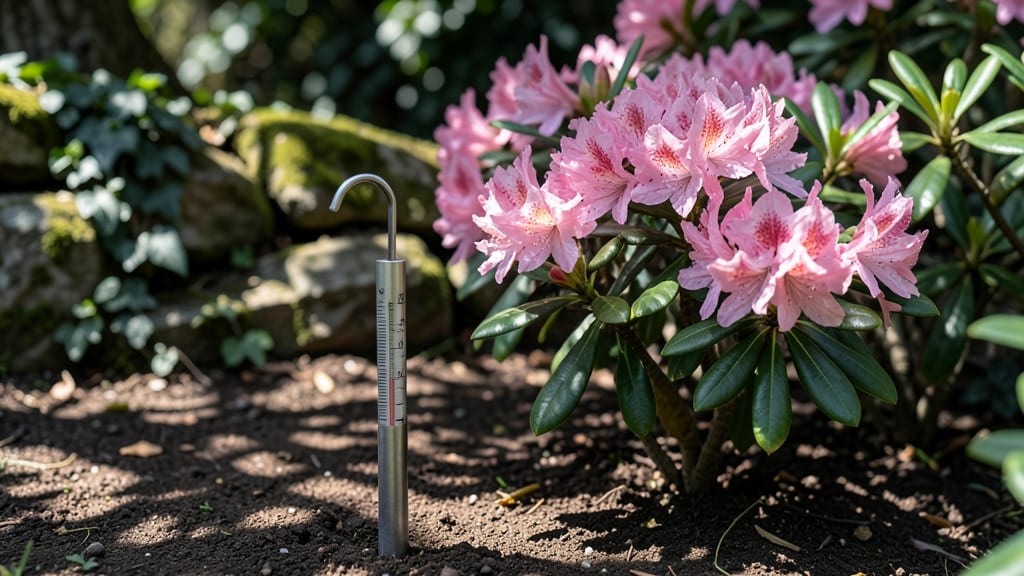
Azalea plants thrive in partial shade, balancing morning sun and afternoon shade to keep their 🌸 blooms vibrant and healthy.
Struggling to keep your azaleas blooming beautifully? The battle between sun and shade might be the hidden key to their health—and your frustration could end right here.
Most gardeners assume azaleas need full shade, but too little light weakens growth and dulls those showstopping flowers. The trick is finding that sweet spot where they get just enough brightness without scorching.
In this guide, I’ll break down exactly how much sun or shade your azaleas need, how to spot signs of stress, and how to adjust care for your specific climate—so you can enjoy lush, blooming shrubs year after year.
 Best Window Placement
Azalea sunlight requirements: how much light do they really need?
If you’ve ever watched your azalea’s vibrant blooms fade into sparse, weak flowers—or worse, crispy brown leaves—you’re likely dealing with a sunlight mismatch. Azaleas are famously finicky about light, but the right balance isn’t just about "sun vs. shade."
It’s about timing, intensity, and regional nuances that most gardeners overlook. Let me break down exactly how much light your azaleas really need to thrive—and how to adapt based on where you live.
Most azaleas thrive in partial shade, meaning 3–6 hours of gentle sunlight daily, ideally in the morning. Afternoon sun, especially in hotter climates, can scorch leaves, while deep shade often leads to leggy growth and poor blooming.
The key is understanding your garden’s microclimate, where even a few feet can mean the difference between a lush shrub and a struggling one.
Here’s the game-changer: Azaleas in USDA Zones 6–8 (like the Southeast or Pacific Northwest) handle more sun than those in Zones 9–11 (e.g., Arizona or Florida). In cooler regions, they might bask in morning sun + afternoon shade, while in desert climates, even filtered dappled light can be too harsh. Let’s dive into the specifics so you can tailor care to your azalea’s exact needs.
| Light Condition | Ideal Sun Exposure | Best For | Regional Adaptations |
|---|---|---|---|
| Morning Sun + Afternoon Shade | 3–5 hours direct sun (before 10 AM) | Most azalea varieties (e.g., Rhododendron 'Girard’s Pink') | Zones 6–8 (cooler climates) |
| Dappled/Filtered Shade | Indirect light (e.g., under tall trees) | Shade-tolerant varieties (e.g., Rhododendron 'Catawbiense') | Zones 9–11 (hot/dry climates) |
| Deep Shade | <2 hours direct sun (e.g., north-facing) | Woodland azaleas (e.g., Rhododendron canescens) | Humid forests or urban shade |
| Full Sun (with caution) | 6+ hours (only for sun-loving hybrids) | *Rhododendron 'Bow Bells' (evergreen) | Coastal or high-altitude zones |
Now, let’s talk about microclimates, the unsung heroes of azalea care. Even in the same yard, a spot near a brick wall, under a pine tree, or beside a driveway can create wildly different light conditions.
For example, a south-facing wall can bake azaleas in afternoon sun, while a north-facing slope might leave them starving for light. To assess your garden:
- Shadow mapping: Use a stick and string to trace sunlight paths at different times of day.
- Leaf bleaching test: Place a white sheet under your azalea midday—if it casts a sharp shadow, it’s getting too much direct sun.
- Neighbor comparison: Check how azaleas in nearby yards (especially those with similar varieties) perform.
Pro tip: If your azalea is in a hot, dry microclimate, mulch heavily with pine straw or bark to insulate roots and retain moisture. In wet climates, ensure good drainage to prevent root rot from overwatering in shady spots.
The goal is to mimic their natural woodland understory habitat, where they thrive under tree canopies with dappled light.
One common myth is that azaleas need full shade. While they tolerate shade, they’ll often sacrifice blooms for survival. The sweet spot is bright, indirect light, which fuels both foliage and flowers.
Think of it like a café with a sunroof: plenty of light, but no harsh midday glare. For container azaleas, rotate pots quarter-turns weekly to ensure even light exposure on all sides.
Regional tweaks matter. In Pacific Northwest gardens, azaleas often get all-day shade from evergreen trees, but they still bloom well because the air stays cool. In Florida’s heat, even morning sun can be too intense—opt for east-facing locations with afternoon relief.
And in desert landscapes, consider whitewashed pots to reflect excess heat. Your azalea’s light needs aren’t one-size-fits-all; they’re a localized puzzle.
Finally, don’t overlook seasonal adjustments. Azaleas planted in late summer (when days are shorter) may need more sun to establish roots, while those in spring can handle gradual shade introduction.
If you’re adding new azaleas, acclimate them slowly by moving them to sunnier spots over 2–3 weeks to avoid sunburn shock. With these insights, you’ll unlock the secret to azaleas that bloom abundantly year after year—no guesswork required.
Signs your azalea is in sun or shade trouble (and how to fix it)
Your azalea’s leaves are turning crispy on the edges, or maybe those vibrant blooms have dwindled to almost nothing. These are classic signs your plant is struggling with sunlight exposure.
Azaleas are sensitive to both too much and too little light, and the symptoms often look alike—until you know what to watch for.
I’ve seen gardeners assume their azaleas just "don’t like the spot" when the real issue is light-related stress. The good news? Once you identify the problem, fixes like pruning adjustments or mulching techniques can turn things around fast.
Let’s diagnose the most common issues and get your azalea back to its blooming best.
⚠️ Warning: Azalea Light Stress
Too much sun causes leaf scorch (brown, crispy edges) and faded blooms, while too little light leads to yellowing leaves and sparse flowering. Both issues weaken your plant over time if ignored.
Quick Fix: Move potted azaleas to morning sun + afternoon shade. For in-ground plants, prune nearby trees to filter harsh afternoon rays.
Start by checking your azalea’s leaf color. If the edges are brown and crispy, it’s a clear sign of sunburn from too much direct light. This often happens when azaleas get hot afternoon sun, especially in USDA Zones 7-9.
The fix? Create dappled shade using sheer curtains or a light fabric shade cloth (30-50% shade).
On the flip side, if your azalea’s leaves are yellowing and sparse, it’s likely etiolation—a sign of insufficient light. The plant stretches toward any available light, weakening its structure and reducing blooms.
In this case, trim back overgrown shade trees or relocate your azalea to a brighter spot with filtered sunlight (like under a high canopy).
Poor blooming is another red flag. Azaleas need 6-8 hours of indirect light to set buds for next season. If your plant is flowering sparingly or not at all, it’s likely getting too much shade.
Try moving it to a south-facing window (if potted) or thinning nearby foliage to increase light exposure. For in-ground plants, a reflective surface like a white wall can help bounce extra light onto the shrub.
Don’t forget about seasonal adjustments. In summer, azaleas in full sun climates may need afternoon shade to prevent stress. Use mulch (like pine bark) to keep roots cool and retain moisture.
In winter, evergreen azaleas benefit from light protection—a burlap wrap can shield them from harsh winds that dry out foliage.
Finally, prune strategically to balance light exposure. Thin out dense inner branches to improve airflow and light penetration. Aim for an open, vase-like shape—this encourages new growth where light can reach. Time your pruning for late winter or early spring, just as buds begin to swell.