
Orchid Care
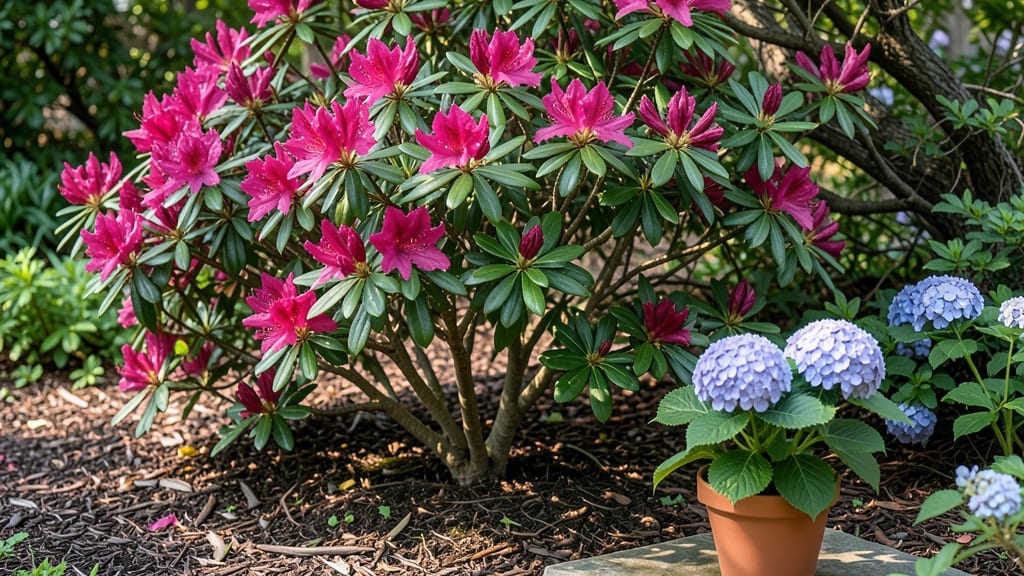
Balancing azalea sun or shade is the secret to those showstopping blooms and lush foliage 🌸—and getting it wrong can leave you with sad, sparse shrubs instead.
Struggling to keep your azaleas blooming year after year? The battle between sun and shade may be the hidden factor stifling their growth—and here’s how to crack the code for perfect light balance.
Too much sun scorches leaves, while too little shade means weak stems and sparse flowers. The key lies in morning sun with afternoon shade, especially in hotter zones like 6a, where afternoon rays can fry tender foliage.
In this guide, I’ll walk you through how to read your azalea’s light needs, adjust your garden for success, and fix common mistakes—so you can finally enjoy those vibrant blooms every spring.
 Best Window Placement
Optimal sunlight requirements for azaleas: finding the perfect balance
Azaleas thrive in morning sunlight but crave afternoon shade, making them finicky about light conditions. Too much sun causes leaf scorch, while too little shade leads to sparse blooms. Understanding their needs is key to vibrant, long-lasting flowers every season.
Not all azaleas are created equal—evergreen varieties handle shade better than deciduous types, which need more light for robust growth. My experience growing both has shown that location matters just as much as sunlight hours.
Evergreen azaleas (like Rhododendron obtusum) tolerate full shade in hot climates, while deciduous azaleas (like Rhododendron canescens) prefer partial sun. The difference comes down to their native habitats—one thrives in dense forests, the other in open woodlands.
Diagnosing light stress in azaleas starts with observing their leaves. Yellowing leaves often signal too much sun, while pale, sparse foliage means insufficient light. My azaleas in full sun developed crispy edges on their leaves—a classic sign of leaf scorch from intense afternoon rays.
For container-grown azaleas, morning sun on an east-facing window works best. Place them where they receive 2-3 hours of direct light but avoid the harsh midday glare. If your windows face south, use sheer curtains to diffuse the light.
In hot climates, azaleas appreciate afternoon shade from nearby trees or a shade cloth. I once grew azaleas under a 50% shade cloth in Arizona, and they bloomed just as beautifully as my shady garden back home.
Seasonal adjustments are crucial. During summer months, provide extra shade, especially in USDA zones 7-9. In spring and fall, when sunlight is gentler, you can gradually increase their exposure to morning sun.
If your azaleas aren’t blooming, light conditions are likely the culprit. Deciduous varieties need more sun to set flower buds, while evergreens may bloom less if they’re too shaded. Try moving potted azaleas to a sunnier spot for a few weeks and watch for improvements.
Remember, azaleas are adaptable but not forgiving when it comes to light. Experiment with their placement, and don’t hesitate to use reflective surfaces (like white walls) to bounce light onto shaded areas. With the right balance, your azaleas will reward you with show-stopping blooms year after year.
How to adjust your garden for azalea light success: practical solutions
If your azaleas are struggling to thrive, light adjustments might be the missing piece. Most azaleas prefer morning sun and afternoon shade, but existing garden conditions often don’t match this ideal.
The good news? With a few targeted changes, you can transform your planting spot into a perfect azalea haven.
Start by evaluating your current setup. Are your azaleas getting too much harsh afternoon sun? Or are they tucked under dense trees that block all light? Both scenarios can stress your plants. The key is creating a balanced microclimate that mimics their natural woodland understory habitat.
⚠️ Quick Fix: The 30% Sun Rule
Azaleas thrive with 30% morning sun and 70% afternoon shade. Use a shade cloth (30-50% coverage) if direct sun exceeds 2 hours daily. For container plants, move them to east-facing windows or use sheer curtains to diffuse light.
For in-ground azaleas, prune nearby trees strategically. Focus on removing branches that cast dense shade during peak sunlight hours. Thin out the canopy to allow dappled sunlight to filter through. This mimics their natural habitat while preventing leaf scorch from intense afternoon rays.
In hot climates, consider mulching with pine straw or wood chips. This helps regulate soil temperature and retains moisture, giving your azaleas extra resilience against heat stress. Apply a 3-inch layer around the base, keeping it 6 inches away from the trunk to prevent rot.
Seasonal adjustments are crucial. In spring, when azaleas bloom, they need more light to fuel flower production. Gradually introduce them to slightly sunnier spots over 2-3 weeks. Conversely, in summer, provide additional shade as temperatures rise, using temporary shade screens if needed.
Container azaleas offer the most flexibility. Simply move pots to different spots throughout the day—morning sun for growth and afternoon shade for protection. Group containers together to create their own microclimate, which helps stabilize temperature and humidity.
With these practical tweaks, your azaleas will reward you with vibrant blooms and lush foliage year after year. Start small, monitor their response, and adjust as needed—your plants will thank you! 🌸