
Light Requirements
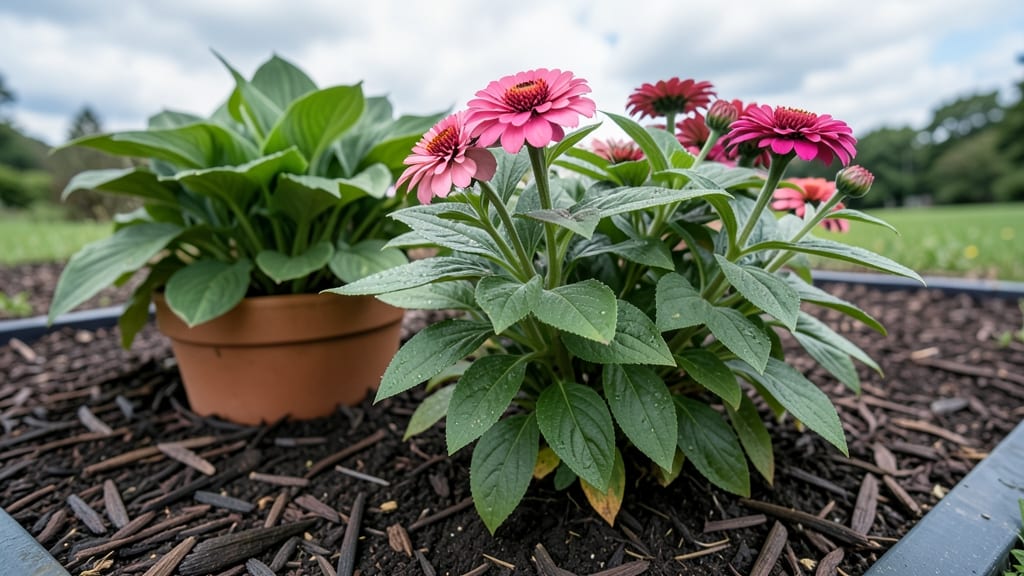
Zinnias can grow in partial shade but thrive best in full sun, with taller varieties like 'Benary’s Giant' tolerating more shade than dwarf types. Choose shade-adapted cultivars and ensure 4-6 hours of indirect light daily to prevent leggy growth or poor blooming.
While zinnias are famously sun-loving, their adaptability to partial shade makes them a great choice for gardens with limited sunlight. 🌿 The key difference lies in their growth habits—shade-tolerant varieties like 'Crystal' or 'Lilliput' grow more compactly, while full-sun types stretch and weaken when light is insufficient.
I've noticed that even in partial shade, zinnias still produce flowers, though they may bloom less prolifically and require more frequent deadheading to encourage new growth.
For best results, position zinnias where they receive morning sun and afternoon shade, especially in hot climates. This balance helps prevent stress while still providing enough light for vibrant blooms.
If your garden has deep shade, consider pairing zinnias with taller plants that won't compete for light, like ferns or hostas, to create a layered, thriving display.
💡 In This Article
- How Light Affects Zinnia Growth and Flower Production
- Best Zinnia Varieties for Low-Light Gardens
How light affects zinnia growth and flower production
Zinnias rely on photosynthesis to convert light into energy, and their growth rate directly correlates with light intensity. In full sun (6+ hours of direct light), zinnias produce 2-3 times more chlorophyll than in partial shade, which fuels faster stem growth and more abundant blooms.
The process involves specialized cells called chloroplasts in the leaves, which capture sunlight and convert it into glucose through photosynthesis. When light drops below 4-6 hours of indirect light daily, these chloroplasts become less efficient, leading to weaker stems and fewer flowers.
The science gets even more interesting when you consider how zinnias allocate energy.
In low-light conditions, the plant prioritizes leaf production over flower buds, which is why you might see lush foliage but sparse blooms. 🌱 For example, 'Benary’s Giant' zinnias can tolerate 4 hours of direct sun because their thicker stems store more energy reserves.
Dwarf varieties like 'Crystal' series, however, need at least 6 hours of light to compensate for their smaller size and faster growth cycles. Temperature also plays a role—zinnias in partial shade may struggle more in hot climates because their leaves can't dissipate heat efficiently.
Light quality matters too. Blue light (400-500nm wavelength) promotes vegetative growth, while red light (600-700nm) triggers flowering. Partial shade often filters out red light, which explains why shaded zinnias produce fewer blooms.
To compensate, gardeners can use reflective surfaces like white mulch or light-colored walls to bounce more light onto plants. I've found that positioning zinnias near east-facing windows or under 30% shade cloth (which allows 70% of sunlight to pass through) creates an ideal balance for partial shade conditions.
Another critical factor is the angle of light. Morning sun provides gentle, warm light that helps zinnias establish strong roots, while afternoon sun can be too intense in hot climates. In partial shade, zinnias often grow taller and leggier because they stretch toward available light—a phenomenon called etiolation.
This not only makes stems weak but also increases the risk of disease. To prevent this, I recommend pruning leggy stems back by one-third to encourage bushier growth and redirect energy toward flower production.
What most gardeners don't realize is how light affects flower color intensity. Zinnias in full sun develop deeper, more vibrant hues because the higher light levels boost anthocyanin production (the pigments responsible for red, purple, and blue colors).
In partial shade, colors may appear paler or more muted. 🌸 For example, a deep red zinnia in full sun might look pinkish in shade. This is why shade-tolerant varieties like 'Persian Carpet' series are bred to maintain color saturation even with reduced light exposure.
Seasonal light changes also impact zinnias. In spring and fall, when days are shorter, zinnias in partial shade may enter dormancy earlier or produce fewer blooms. To extend the season, I suggest using grow lights (12-14 hours of light daily) or moving containers to sunnier spots during peak growing months.
Even a 2-foot shift toward a sunnier area can make a significant difference in flower production.