
Light Requirements
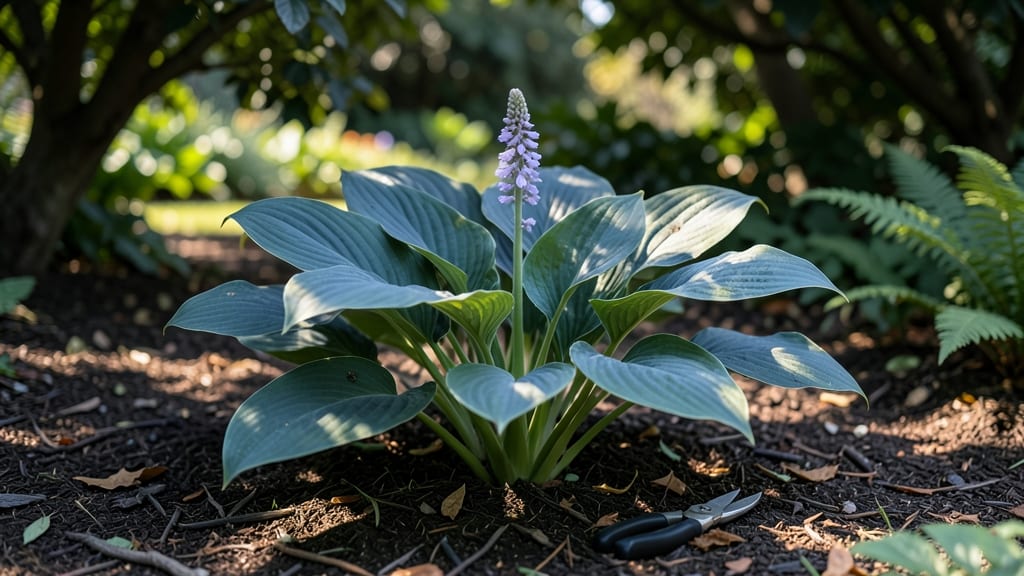
This light balance isn't just about hours—it's about intensity. 🌿 Plants in part shade adapt by developing broader leaves to capture more diffuse light, which is why you'll often see lush foliage in these conditions.
The key is avoiding harsh midday sun while still providing enough light for photosynthesis. I've found that plants like impatiens and astilbe thrive here, while others may need seasonal adjustments as sunlight patterns shift.
What's interesting is how plants respond when they get too much or too little light. Too much direct sun causes leaves to yellow or scorch, while insufficient light leads to leggy growth as plants stretch toward any available light source.
Understanding this helps you create a garden where each plant gets exactly what it needs.
💡 In This Article
- How Part Shade Affects Plant Growth and Light Requirements
- Best Plants for Part Shade Gardens and Light Adjustment Tips
How part shade affects plant growth and light requirements
Part shade creates a unique light environment where plants receive 3-6 hours of direct sunlight, but with crucial intensity variations. The light intensity in part shade typically measures between 1,000-2,000 foot-candles (compared to full sun's 10,000+ foot-candles), which triggers plants to adapt their photosynthesis processes.
This reduced intensity forces plants to develop broader leaves with more chlorophyll, maximizing light absorption from the available spectrum. The result? Lush, dense foliage that thrives without the stress of full sun exposure.
Scientifically, this light range falls into what botanists call the "photosynthetically active radiation" (PAR) zone of 200-400 micromoles per square meter per second. This is perfect for shade-loving species because it prevents photoinhibition—the damage that occurs when plants receive more light than they can process.
Tropical plants like ferns and calatheas evolved in this light environment, while temperate species like hostas and astilbes have adapted to handle seasonal light variations. The key difference is in their leaf structure: shade plants have thinner leaves with larger surface areas to capture diffuse light efficiently.
What's fascinating is how plants regulate their growth hormones in part shade. Lower light levels trigger increased production of auxin, a growth hormone that promotes stem elongation. This is why you often see leggy growth in plants that don't get enough light—they're stretching toward any available photons.
However, the 3-6 hour window provides just enough energy for balanced growth without this overstretching. This hormonal response explains why part shade plants often develop more compact, bushier forms compared to their sun-exposed counterparts.
Seasonal variations add another layer to part shade dynamics. In summer, when sunlight is most intense, the same location might receive only 3 hours of direct light due to tree canopy filtering, while winter might extend this to 6 hours as deciduous trees shed leaves.
This natural fluctuation is why many part shade plants thrive—they experience a gradual light transition rather than sudden changes. Understanding this seasonal rhythm helps gardeners adjust plant placement or provide temporary shade cloth during peak sunlight periods to maintain optimal conditions.
Consider the example of a Japanese maple in part shade. During summer months, it receives only 3 hours of filtered morning sun, preventing leaf scorch while still getting enough light for vibrant fall colors.
In contrast, a sun-loving lavender in the same spot would show signs of stress—yellowing leaves or stunted growth—because it's not adapted to handle the reduced light intensity.
The plant's internal light sensors (photoreceptors called phytochromes) detect these light levels and adjust growth patterns accordingly, making part shade an ideal compromise for many species.
The science of part shade also explains why some plants develop variegated foliage in these conditions. The reduced light intensity prevents chlorophyll from fully developing in some leaf areas, creating the beautiful white or yellow patterns seen in plants like Hosta 'Francee' or Astilbe 'Deutschland'.
This adaptation allows the plant to still photosynthesize efficiently while creating stunning visual effects. 🌿